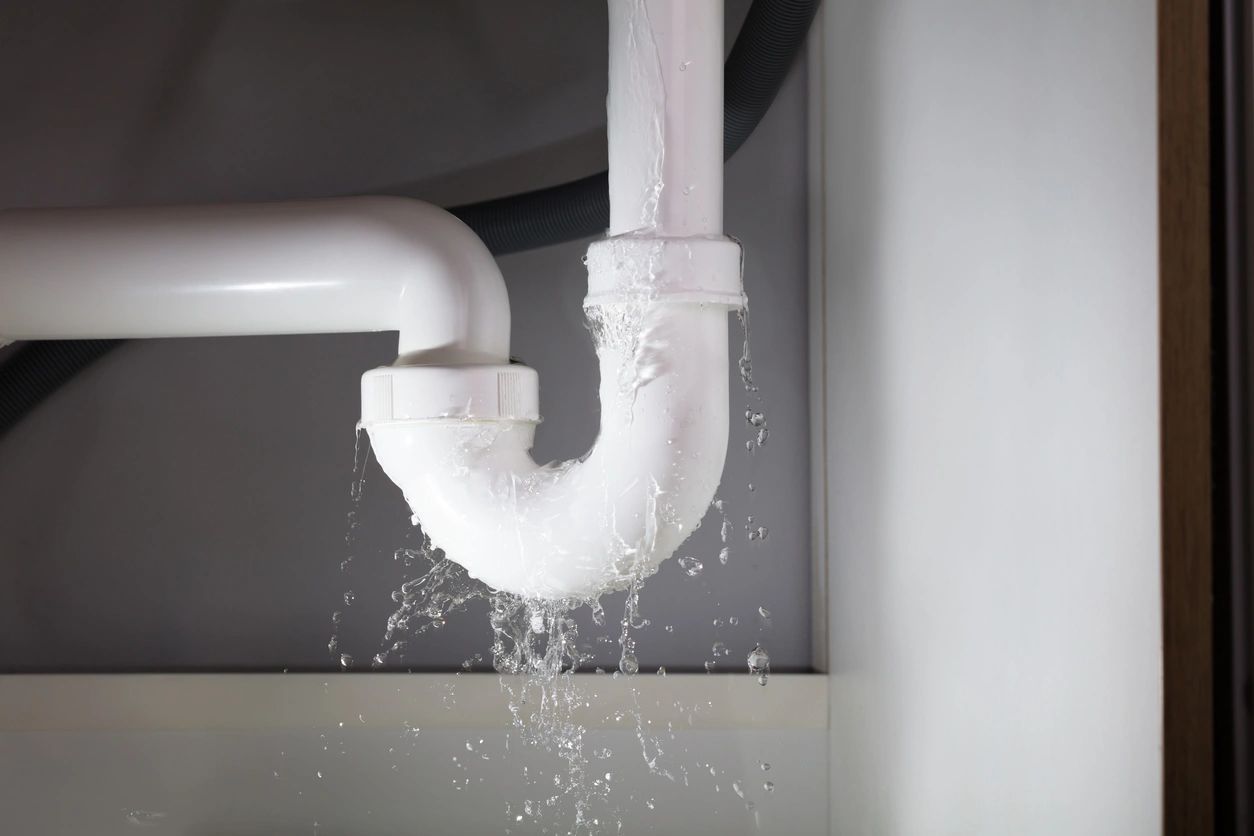


If your water bill has suddenly increased but your household habits have not changed, it may be more than a billing fluctuation.
A hidden plumbing leak can quietly waste water for weeks or even months before it becomes obvious.
Because many supply pipes run:
- Behind walls
- Beneath floors
- Above ceilings
- Through basements
- Inside cabinets
a leak can develop without producing an immediate puddle.
For homeowners in Ottawa, Kanata, Nepean, Manotick, and Rockcliffe, unexplained water usage should be taken seriously, especially when it appears alongside moisture, low water pressure, staining, or the sound of running water.
At OttaWater, we help homeowners identify hidden leaks, repair damaged plumbing, and determine whether a rising water bill is being caused by an actual plumbing problem.
Here is how to tell whether a concealed pipe leak may be responsible.
Start With the Most Important Question: Has Your Water Use Actually Changed?
Before assuming you have a hidden leak, think about recent household changes.
Your water usage may legitimately increase because of:
- More people living in the home
- More laundry
- More frequent showers
- Outdoor watering
- Guests staying for an extended period
- Renovation work
If none of those situations apply and the bill rises significantly, investigating the plumbing becomes more important.
A Hidden Leak Does Not Always Look Like a Leak
Many homeowners expect a plumbing leak to create obvious dripping water.
That is not always what happens.
A concealed leak may produce only subtle signs at first.
You might notice:
- A slightly higher water bill
- A faint musty smell
- A small stain
- A patch of soft drywall
- A floorboard beginning to warp
These early clues are easy to overlook.
The sooner they are investigated, the better the chance of limiting damage.
Warning Sign #1: Your Water Bill Rises for No Clear Reason
This is one of the strongest early indicators.
If your bill increases but your household routine is essentially unchanged, water may be escaping somewhere in the system.
Compare several billing periods if possible.
A one-time change may have an innocent explanation.
A repeated unexplained increase deserves more attention.
Warning Sign #2: You Hear Water Running When Everything Is Off
Turn off fixtures and water-using appliances.
Then listen.
Can you still hear:
- Hissing
- Trickling
- Water movement
- Dripping inside a wall
These sounds do not automatically prove there is a leak, but they can be useful clues.
If you repeatedly hear water when no fixture is running, professional evaluation may be appropriate.
Warning Sign #3: Water Stains Appear on Walls or Ceilings
A hidden plumbing leak may first reveal itself through staining.
Watch for:
- Yellow or brown marks
- Bubbling paint
- Peeling finishes
- Soft drywall
- Damp patches
The visible stain may not sit directly beneath the actual leak because water can travel along framing or other surfaces before appearing.
That is why locating the true source matters.
Warning Sign #4: Flooring Starts to Warp or Feel Soft
Water escaping beneath flooring can damage materials before you notice a visible leak.
Possible signs include:
- Warped hardwood
- Raised laminate
- Loose tile
- Soft areas
- Darkened flooring
If the problem is near a kitchen, bathroom, laundry area, or mechanical room, plumbing should be considered as a possible source.
Warning Sign #5: A Cabinet Smells Musty
Under-sink leaks are common because they can remain hidden inside cabinets.
Open the cabinet beneath:
- Kitchen sinks
- Bathroom sinks
- Laundry sinks
Check for:
- Dampness
- Staining
- Swollen cabinet material
- Corrosion
- Musty odours
A slow leak under a sink may continue for a long time before water becomes visible elsewhere.
Warning Sign #6: Your Water Pressure Drops
A leak can sometimes affect water delivery.
If water is escaping somewhere within the plumbing system, you may notice changes in pressure or flow.
Possible symptoms include:
- Weaker showers
- Slower faucets
- Pressure fluctuations
Low pressure can have many causes, so it should not automatically be blamed on a leak.
But pressure changes combined with an unexplained water bill increase make a hidden leak more plausible.
Warning Sign #7: The Water Meter Keeps Moving
A simple water-meter observation can provide useful information.
If practical, turn off all fixtures and water-using appliances.
Then check the meter.
If the meter continues registering use while everything should be off, water may still be flowing somewhere.
This can indicate:
- A hidden pipe leak
- A running toilet
- Another fixture problem
The meter can tell you water is being used, but not exactly where.
That is where professional diagnosis comes in.
Do Not Forget About Running Toilets
Not every unexplained water bill is caused by a pipe behind the wall.
A running toilet can waste a surprising amount of water while remaining easy to miss.
Possible signs include:
- Hissing from the tank
- Water moving in the bowl
- Toilet refilling when nobody has flushed
- Constant or intermittent running
If your water bill rises, check toilets before assuming the plumbing is leaking inside a wall.
Faucet Leaks Can Add Up Too
A dripping faucet is another visible source of wasted water.
One occasional drop may seem insignificant.
But a faucet that drips every few seconds all day, every day, is continually using water.
Check:
- Kitchen faucets
- Bathroom faucets
- Laundry sinks
- Outdoor taps
Visible leaks are generally easier to address than hidden ones, so they should not be overlooked.
Hidden Pipe Leaks vs Fixture Leaks
The source of water usage matters.
Fixture Leak
Examples:
- Running toilet
- Dripping faucet
- Leaking shower valve
These are usually easier to identify.
Hidden Pipe Leak
Examples:
- Supply line behind drywall
- Pipe beneath flooring
- Concealed connection leak
These can be more difficult because the actual plumbing is not visible.
A plumber can help determine which type of problem you have.
Why Hidden Leaks Can Become Expensive Quickly
The water bill is only one part of the cost.
A concealed leak can also damage:
- Drywall
- Flooring
- Cabinets
- Insulation
- Framing
This is why early leak detection matters.
Repairing the pipe is one issue.
Repairing weeks of water damage can be much more expensive.
Why Older Ottawa Homes Deserve Extra Attention
Older homes may contain plumbing that has been:
- Repaired multiple times
- Renovated in stages
- Connected using different materials
- Exposed to years of wear
This does not mean older homes automatically have leaking pipes.
But if an older property begins showing:
- Repeated leaks
- Pressure problems
- Corrosion
- Rising water usage
a broader plumbing inspection can provide valuable information.
Hot Water Pipe Leaks Can Be Harder to Notice
A leak on the hot water side may present differently.
You may notice:
- Warm flooring
- Hot water running out faster
- Water heater working more often
- Higher utility costs
If the hot water system seems to be operating more than usual, there may be a reason.
OttaWater provides:
- Hot water tank repair
- Hot water tank replacement
- Water heater plumbing
A professional assessment can help determine whether the water heater or surrounding plumbing is contributing to the problem.
How a Hidden Leak Can Affect Your Water Heater
If hot water is escaping through a concealed leak, the water heater may need to heat more replacement water than normal.
This can potentially lead to:
- Increased energy use
- More frequent heating cycles
- Reduced available hot water
If your water bill and energy bill rise at the same time, mention that when requesting plumbing service.
Could the Leak Be Under the Basement Floor?
Basements can hide plumbing leaks in several locations.
Check around:
- Water heater
- Laundry connections
- Floor drains
- Exposed supply lines
- Mechanical areas
If moisture appears without an obvious source, professional leak investigation can help determine whether plumbing is involved.
What About Underground Water Lines?
Some leaks can occur outside the finished areas of the home.
Possible clues may include:
- Unusually wet areas
- Soft ground
- Unexplained water usage
Underground plumbing problems require a different diagnostic approach from an under-sink leak.
Do not assume every unexplained bill increase is caused by an indoor fixture.
What Should You Do Before Calling a Plumber?
Gathering information can make diagnosis easier.
Try to note:
- When the bill started rising
- Whether usage has changed
- Whether the water meter moves when fixtures are off
- Any visible moisture
- Any water stains
- Whether pressure has changed
- Whether toilets are running
This information can help narrow down the likely source.
When Does a Leak Become an Emergency?
A small concealed leak may allow time for scheduled service.
The situation becomes urgent when:
- Water is actively spreading
- A pipe bursts
- A ceiling is becoming saturated
- Flooring is being damaged
- Water cannot be controlled
In those situations, homeowners may need emergency plumbing near me, 24 hour emergency plumbing near me, or an emergency plumber Ottawa.
Prompt action can help limit property damage.
What Is a Plumbing Emergency?
A plumbing emergency generally involves a problem that could cause significant damage if left unresolved.
Examples include:
- Burst pipes
- Major leaks
- Severe flooding
- Sewage backups
- Multiple unusable plumbing fixtures
A rising water bill alone is not necessarily an emergency.
But if it leads you to discover an active leak, the urgency changes.
Can Drain Problems Increase Your Water Bill?
Drain problems generally affect wastewater leaving the home rather than water entering it.
So a slow drain by itself typically does not explain increased water consumption.
However, a home can have both problems at the same time.
If you are experiencing:
- Slow drains
- Recurring clogs
- Gurgling
- Unpleasant drain odours
OttaWater also provides professional drain cleaning Ottawa services.
Is Drain Cleaning Worth It?
Yes, when buildup or an obstruction is affecting drainage.
Professional drain cleaning may help:
- Restore flow
- Reduce recurring clogs
- Remove accumulated material
- Improve drain performance
But it should not be confused with leak detection.
If the issue is rising water use, the supply side of the plumbing system must also be investigated.
What Is the Average Cost to Unclog a Drain?
The cost depends on:
- Location
- Severity
- Accessibility
- Equipment required
- Number of affected fixtures
A local sink clog and a deeper drainage blockage involve different work.
Homeowners researching drain cleaning near me cost should focus on the actual problem rather than relying on one generic number.
Bathroom Renovations Are a Good Time to Look for Hidden Plumbing Problems
Renovations expose areas that are normally concealed.
If you are planning:
- Shower installation near me
- Walk in shower installation
- Bathroom installation
- Shower insert installation
use the opportunity to inspect existing plumbing.
A renovation may reveal:
- Old supply lines
- Previous leak repairs
- Corroded fittings
- Water stains
Addressing those issues before new tile and drywall are installed can save significant disruption later.
What Affects Shower Installation Cost in Ontario?
The shower installation cost in Ontario can be influenced by plumbing conditions behind the walls.
Factors may include:
- Existing pipe condition
- Drain location
- Water supply changes
- Valve installation
- Fixture selection
- Accessibility
A simple shower replacement and a full plumbing reconfiguration are different projects.
Do Plumbers Install Shower Doors?
Plumbers generally handle:
- Water supply
- Shower valves
- Drain connections
- Plumbing fixtures
Shower doors may be installed by a plumber, renovation contractor, or specialized glass installer depending on the scope of the project.
How Much Would a Plumber Charge for 3 Hours?
Plumbing costs depend on more than time alone.
Three hours might involve:
- Leak detection
- Pipe repair
- Fixture repair
- Water heater diagnosis
- Drain cleaning
Materials, accessibility, specialized equipment, and emergency scheduling can also affect the total.
A clear diagnosis is usually more important than focusing only on hourly cost.
Why Accurate Leak Detection Matters
Guessing can become expensive.
Opening the wrong wall or replacing the wrong fixture wastes time and money.
Professional diagnosis helps answer:
- Is water actually leaking?
- Where is it coming from?
- Is the problem a pipe or fixture?
- How urgent is it?
Finding the source first allows repairs to be targeted more effectively.
Plumbing Services for Ottawa Homeowners
OttaWater provides professional plumbing services throughout Ottawa, Kanata, Nepean, Manotick, and Rockcliffe.
Services include:
- Leak detection
- Pipe repair
- Faucet repair
- Toilet plumbing
- Residential plumbing
- Emergency plumbing
- Hot water tank repair
- Hot water tank replacement
- Water heater plumbing
- Professional drain cleaning
- Bathroom plumbing
- Shower plumbing
- Plumbing inspections
Whether the first clue is a higher water bill or a visible stain, identifying the actual source is the most important step.
Do Not Ignore an Unexplained Increase in Water Use
A rising water bill does not automatically mean there is a hidden pipe leak.
But it is one of the clearest reasons to start investigating.
Check for:
- Running toilets
- Dripping faucets
- Visible moisture
- Water stains
- Meter movement
- Pressure changes
If the water use remains unexplained, professional leak detection may help uncover what is happening behind the scenes.
The earlier the problem is found, the better your chances of avoiding additional water waste and property damage.
If you are searching for a dependable plumber in Ottawa to investigate an unexplained increase in water usage, OttaWater is ready to help.
Call: (613) 884-8355
Frequently Asked Questions
Can a hidden pipe leak increase my water bill?
Yes. A concealed leak can continue wasting water around the clock and may cause a noticeable increase in water usage.
How can I tell if I have a hidden water leak?
Warning signs include unexplained water bills, water meter movement when fixtures are off, damp walls, ceiling stains, warped flooring, musty smells, and unexpected pressure changes.
Could a running toilet be causing my high water bill instead?
Yes. Running toilets are a common source of continuous water waste and should be checked before assuming the leak is hidden behind a wall.
Can a dripping faucet noticeably increase water use?
Yes. A faucet that drips continuously uses water all day and can contribute to higher consumption over time.
Can low water pressure mean I have a leak?
It can. Low pressure has several possible causes, but a significant hidden leak may affect water delivery. Pressure changes combined with unexplained water usage deserve investigation.
Should I check my water meter for leaks?
Yes. If all water-using fixtures and appliances are off but the meter continues registering usage, water may still be flowing somewhere in the system.
Is a hidden leak a plumbing emergency?
Not always. It becomes more urgent when water is actively spreading, damaging walls or flooring, or cannot be controlled safely.
Can a hot water leak increase both water and energy bills?
Yes. If heated water is escaping, the home may use extra water while the water heater also works more often to replace the lost hot water.
Will drain cleaning fix a hidden pipe leak?
No. Drain cleaning addresses wastewater flow and blockages. A leaking supply pipe requires leak detection and repair.
When should I call a plumber about a rising water bill?
Call when household water use has not changed, the increase continues, you notice moisture or pressure changes, or basic checks do not reveal an obvious fixture leak.