

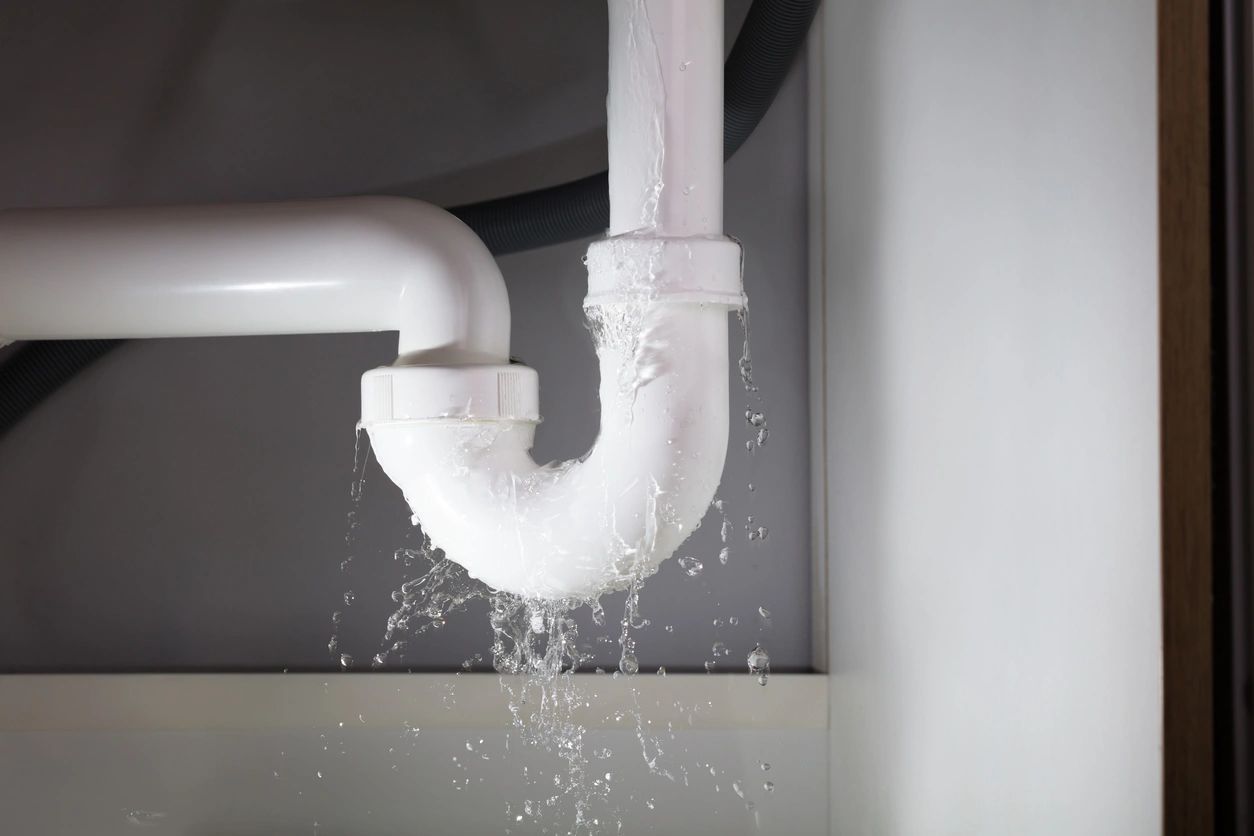
A bathroom sink that takes a little longer to empty may have hair, soap residue, or other buildup close to that fixture.
A kitchen sink that drains slowly may have grease or food residue accumulating inside its drain.
But what happens when the kitchen sink, shower, bathtub, toilet, and basement floor drain all start behaving differently around the same time?
That is when homeowners should pay closer attention.
Multiple slow drains can indicate that the problem is not located at an individual fixture. Instead, wastewater may be encountering a restriction farther along the drainage system.
For homeowners in Kanata, Ottawa, Nepean, Manotick, and Rockcliffe, recognizing this difference early can help prevent a frustrating drainage problem from developing into a wastewater backup.
At OttaWater, we provide professional drain cleaning in Kanata, plumbing diagnostics, residential plumbing repairs, and emergency plumbing services.
If several drains in your home are getting slower, here is what may be happening and why repeatedly treating each drain individually may not solve the real problem.
Understanding How Your Home’s Drains Work Together
Every sink, shower, bathtub, toilet, and other drainage fixture has its own connection.
But those individual drain lines eventually connect into larger drainage piping that carries wastewater away from the home.
Think of the system like roads joining a highway.
A blockage on one small side street affects only that street.
A blockage on the highway can affect traffic coming from many different directions.
Your drainage system can behave similarly.
If one bathroom sink is slow, the restriction may be close to that sink.
If fixtures throughout the home begin draining slowly, a larger shared drain may need investigation.
The Location of the Slow Drains Matters
Before reaching for a drain-cleaning product or plunger, take a few minutes to determine exactly which fixtures are affected.
Check:
- Kitchen sink
- Main-floor bathroom
- Upstairs bathroom
- Bathtub
- Shower
- Toilets
- Laundry drain
- Basement floor drain
This simple test provides useful information.
One Slow Fixture
A localized blockage is more likely.
Several Fixtures in One Bathroom
The problem may be somewhere in the drainage serving that bathroom.
Slow Fixtures in Different Parts of the House
A larger shared drainage restriction becomes more important to consider.
Multiple Slow Drains Plus Basement Drain Activity
This deserves particular attention because lower-level drains can sometimes reveal problems farther along the drainage system.
Warning Sign #1: Several Drains Are Getting Slower Together
This is the most obvious clue.
Perhaps the shower was the first problem.
A few days later, the bathroom sink becomes slow.
Then the kitchen sink starts taking longer to empty.
When symptoms begin appearing at unrelated fixtures, stop treating each one as an isolated clog.
A plumber in Kanata can evaluate whether those fixtures share a drainage problem farther downstream.
Warning Sign #2: The Toilet Gurgles When Another Fixture Drains
Plumbing fixtures should not constantly sound as though they are communicating with each other.
Suppose you drain a bathtub and hear the toilet gurgle.
Or you run the washing machine and notice bubbling in a nearby toilet.
These interactions can indicate that water and air are having difficulty moving normally through the drainage system.
Gurgling alone does not identify the exact location of a blockage.
But gurgling combined with multiple slow drains is an important warning sign.
Warning Sign #3: Water Appears in a Different Fixture
This symptom is more serious.
Imagine draining the bathroom sink and seeing water rise slightly in the shower.
Or flushing a toilet causes water to appear around a lower drain.
Water should move away through the drainage system.
When it begins returning through another fixture, a significant restriction may be preventing normal flow.
Professional diagnosis should not be delayed.
Warning Sign #4: Your Basement Floor Drain Starts Acting Differently
Basement floor drains can provide important clues about the condition of the home’s drainage system.
Pay attention if the floor drain:
- Gurgles
- Develops unusual odours
- Drains slowly
- Shows unexpected water
- Reacts when upstairs fixtures are used
If wastewater begins rising through a basement floor drain, stop unnecessary water use and contact a plumber promptly.
Continuing to run showers, sinks, dishwashers, or washing machines may send additional wastewater toward an already restricted drain.
Warning Sign #5: Toilets Flush Differently
Toilets move a relatively large amount of water into the drainage system quickly.
A drainage restriction can therefore become particularly noticeable during flushing.
Watch for:
- Slow bowl drainage
- Unusual bubbling
- Gurgling
- Water level changes
- Repeated clogging
- Interaction with nearby drains
One clogged toilet may simply have a localized obstruction.
Several toilets behaving unusually while other drains are also slow can suggest a broader problem.
Warning Sign #6: The Same Clogs Keep Returning
A drain is cleared.
It works normally for a while.
Then it slows down again.
The process repeats.
Recurring clogs are telling you something.
Either the material causing the blockage is not being fully removed, or another underlying condition is contributing to repeated drainage problems.
Instead of asking only, “How can I unclog this sink again?” ask:
“Why does this keep happening?”
That question can lead to a more useful long-term solution.
What Can Cause a Main Drain Blockage?
There isn’t one universal cause.
A professional plumber needs to evaluate the specific drainage system and symptoms.
Possible contributors can include accumulated material, inappropriate items entering drains, deterioration, or other conditions affecting the drainage line.
The location of the obstruction matters just as much as what caused it.
Kitchen Waste Can Contribute to Drain Buildup
Kitchen plumbing handles more than water.
Every day, sinks are exposed to residue from cooking and cleaning.
Common troublemakers include:
- Grease
- Cooking oils
- Food particles
- Sauces
- Coffee grounds
- Soap residue
Grease is particularly problematic because it can coat drainage piping and contribute to buildup.
Even if some material appears to wash away, that does not necessarily mean it travels harmlessly through the entire system.
Keeping grease and unnecessary food waste out of drains is one of the simplest preventative habits homeowners can adopt.
Bathroom Drains Have Their Own Challenges
Bathroom drains regularly collect:
- Hair
- Soap residue
- Personal care products
- Organic material
A shower drain may gradually become slower without completely stopping.
If the problem is limited to that shower, localized bathroom drain cleaning may be sufficient.
If the shower is slow while several other drains are also struggling, a larger restriction should be considered.
Toilets Are Not Garbage Disposals
Toilets are designed to handle human waste and appropriate toilet paper.
Using them to dispose of inappropriate materials can increase the risk of drainage problems.
Be cautious about flushing items simply because packaging suggests they can go down a toilet.
Reducing unnecessary material entering the drainage system is far easier than dealing with a severe backup later.
Could Tree Roots Cause Drain Problems?
Depending on the property, underground drainage piping can potentially be affected by surrounding conditions, including roots where vulnerabilities exist.
However, homeowners should not assume roots are responsible every time a drain becomes slow.
Other blockages are also possible.
Professional diagnosis is important because the appropriate solution depends on what is actually happening inside the line.
Why DIY Drain Cleaning May Not Solve Multiple Slow Drains
A homeowner notices a slow bathroom sink and treats that sink.
Then the shower slows down, so the shower receives the same treatment.
Then the basement drain starts gurgling.
At that point, repeatedly addressing individual fixtures may miss the real problem.
If the restriction is located in a shared drain, treating one fixture from above may provide little or only temporary improvement.
Multiple slow drains call for a system-wide perspective.
Be Careful With Repeated Chemical Drain Treatments
Repeatedly pouring aggressive chemicals into a drain is not a substitute for understanding why several fixtures are slow.
These products may also create additional concerns for whoever eventually needs to work on the drain.
If you have already used a chemical product before calling a plumber, mention it.
That information can be important for safe service.
What Do Plumbers Recommend to Unclog Drains?
The correct method depends on the location and type of obstruction.
For prevention, homeowners can help by:
- Using sink and shower strainers
- Keeping grease out of kitchen drains
- Removing hair before it enters shower drains
- Flushing only appropriate materials
- Addressing recurring drainage problems early
For an established blockage, professional diagnosis determines what drain-cleaning approach is appropriate.
What Happens During Professional Drain Cleaning?
The exact process depends on the problem.
A plumber may begin by asking:
- Which fixtures are slow?
- When did the problem begin?
- Has this happened before?
- Are toilets gurgling?
- Has water backed up anywhere?
- Have drain chemicals been used?
These questions help establish whether the problem appears localized or affects a larger portion of the system.
The plumber can then evaluate the drainage system and determine the appropriate method for clearing the restriction.
Why Drain Location Matters More Than Homeowners Realize
Consider two Kanata homes.
In the first, one bathroom sink drains slowly because hair and residue are collected close to the fixture.
In the second, the kitchen, bathroom, and basement drains are all slow because wastewater encounters a restriction after those lines join.
Both homeowners may search drain cleaning near me.
But they do not necessarily need the same service.
Accurate diagnosis prevents the wrong section of plumbing from receiving all the attention.
Drain Camera Inspection for Recurring Problems
When drainage problems repeatedly return or the condition of a line needs further investigation, a drain camera inspection may sometimes provide useful information.
Depending on accessibility and circumstances, camera inspection can help a professional evaluate conditions within drainage piping.
This may be particularly useful when trying to understand why a problem repeatedly returns after previous cleaning.
Not every simple clog requires a camera.
The diagnostic approach should match the problem.
Is Drain Cleaning Worth It?
When an actual obstruction or significant buildup is affecting wastewater flow, professional drain cleaning can be worthwhile.
It may help:
- Restore drainage
- Remove accumulated material
- Reduce recurring clogs
- Improve fixture performance
More importantly, professional evaluation can help determine whether the slow drain is a localized issue or part of a broader drainage problem.
What Is the Average Cost to Unclog a Drain?
There is no single price that accurately represents every clogged drain.
Professional drain cleaning near me cost can depend on:
- Location of the obstruction
- Severity
- Accessibility
- Number of affected fixtures
- Diagnostic work required
- Equipment required
- Whether service is scheduled or urgent
Clearing a bathroom sink restriction is different from diagnosing a drainage problem affecting several areas of a home.
The best way to understand cost is to first understand the scope of the problem.
Is “Free Drain Cleaning Near Me” Really Free?
Homeowners sometimes search for free drain cleaning near me while comparing plumbing services.
Always understand exactly what an advertised offer includes.
Ask whether there are:
- Service conditions
- Inspection charges
- Eligibility requirements
- Additional work not included
The most important objective should be correctly diagnosing and addressing the drainage problem rather than choosing service based solely on one promotional phrase.
How Do You Find the Best Drain Cleaning Near Me?
Instead of focusing only on price, look for a plumbing service that considers the full pattern of symptoms.
A good drainage assessment should distinguish between:
- One clogged fixture
- Several related slow drains
- Recurring blockages
- A possible larger drainage restriction
- An active backup requiring urgent attention
If multiple fixtures are involved, make sure you explain that when booking the service.
Can a Main Drain Blockage Cause Sewer Smells?
It can be associated with unpleasant drainage symptoms, although sewer smells have several possible causes.
Odours may also result from:
- Dry traps
- Organic drain buildup
- Toilet seal problems
- Other drainage or venting concerns
Sewer odours combined with slow drainage, gurgling, or backups deserve investigation.
Why Does My Shower Drain Smell and Drain Slowly?
A slow, smelly shower drain may simply contain hair and organic buildup.
But check the rest of the home.
If only the shower is affected, localized cleaning may solve the problem.
If the bathroom sink, toilet, and other fixtures are also behaving unusually, tell your plumber.
The pattern changes the diagnosis.
Is a Backed-Up Drain an Emergency?
It can be.
There is an important difference between:
A drain that is slow
and
Wastewater actively entering your home.
Prompt plumbing assistance is recommended when:
- Sewage rises from a floor drain
- Wastewater enters a shower or bathtub
- Multiple fixtures stop draining
- Toilets overflow because of a larger drainage problem
- Contaminated water spreads through the property
These situations create both property-damage and sanitation concerns.
What Is a Plumbing Emergency?
A plumbing emergency generally involves a problem that cannot reasonably wait without risking significant damage, sanitation issues, or loss of essential plumbing.
Examples may include:
- Severe drain backups
- Burst pipes
- Major uncontrolled leaks
- Significant flooding
Homeowners dealing with an active drainage backup may search for emergency plumbing near me, 24 hour emergency plumbing near me, or an emergency plumber Ottawa.
When calling, clearly explain whether wastewater is already entering the home.
What Should You Do While Waiting for Help With a Major Backup?
If a suspected main drain blockage is causing wastewater to back up, avoid unnecessary water use.
That can mean temporarily avoiding:
- Showers
- Baths
- Laundry
- Dishwashers
- Unnecessary toilet flushing
- Running sinks
If wastewater cannot leave the property normally, sending more water into the system may worsen the backup.
Keep children and pets away from contaminated areas and arrange professional assistance.
Why Basement Bathrooms Can Reveal Drainage Problems Early
Lower-level plumbing deserves particular attention because it sits closer to the lowest portions of many residential drainage systems.
If you’re planning a basement bathroom renovation in Kanata, investigate existing:
- Slow drainage
- Gurgling
- Floor drain problems
- Sewer odours
- Previous backups
before installing expensive new finishes.
Planning a New Shower? Check the Drainage First
Homeowners researching shower installation near me, walk in shower installation, or complete bathroom installation often focus on finishes and fixtures.
But a new shower depends on reliable drainage.
Before renovation, unresolved drain problems should be investigated.
A beautiful new shower will not fix a restriction farther down the drainage system.
What Affects Shower Installation Cost in Ontario?
The shower installation cost in Ontario can vary depending on the plumbing work required.
Factors can include:
- Existing drain location
- Drain relocation
- Water supply changes
- Shower valve installation
- Existing plumbing condition
- Accessibility
- Overall shower design
If drainage modifications are required, they should be included in the renovation planning stage rather than discovered after construction begins.
Do Plumbers Install Shower Doors?
Plumbers typically handle the plumbing portion of shower installation, including water supplies, valves, drains, and fixtures.
Depending on the project, shower doors may be installed by a plumber, renovation contractor, or specialized glass installer.
Confirm the scope before work begins.
Drain Problems and Water Heater Problems Are Separate
A slow shower drain does not mean there is something wrong with your hot water tank.
The water heater supplies heated water.
The drainage system removes wastewater.
OttaWater provides both drain cleaning and hot water tank repair and replacement, but these services address different parts of the plumbing system.
Correct diagnosis prevents unrelated equipment from being blamed for a drainage problem.
Can Multiple Slow Drains Affect Everyday Life?
Absolutely.
A drainage problem may begin as a minor inconvenience, but it can quickly interfere with normal routines.
You may start:
- Taking shorter showers because water pools around your feet
- Waiting for one sink to drain before using another
- Avoiding laundry because the drain gurgles
- Worrying every time the toilet flushes
You shouldn’t have to organize household water use around failing drainage.
If several fixtures are slow, it is time to determine why.
Don’t Wait for a Complete Blockage
A completely blocked drain gets immediate attention because the fixture becomes unusable.
A partially restricted drain is easier to postpone.
That is exactly why warning signs can continue for weeks.
The progression may look something like this:
Drain becomes slightly slow.
Then:
Gurgling begins.
Then:
Another fixture slows down.
Then:
Water appears where it shouldn’t.
Finally:
Wastewater backs up.
Not every drainage problem follows this exact progression, but addressing unusual changes early is usually easier than waiting for an active backup.
A Quick Home Drainage Check
If you suspect a larger blockage, walk through your home and answer these questions.
Kitchen
Does the sink empty normally?
Bathrooms
Are sinks, tubs, and showers slow?
Toilets
Do they flush normally or gurgle?
Basement
Does the floor drain smell, gurgle, or contain unexpected water?
Laundry
Do drainage problems appear when the washing machine operates?
Timing
Did several symptoms begin around the same period?
History
Have similar clogs happened before?
Interaction
Does using one fixture affect another?
Write down what you observe.
This information can be very helpful when speaking with a plumber.
When Should You Call a Plumber for Multiple Slow Drains?
Contact a professional when:
- Several drains are slow
- The problem keeps returning
- Toilets gurgle
- One fixture causes another to react
- Water rises in a basement floor drain
- Sewer odours accompany drainage problems
- Previous attempts have provided only temporary improvement
- Wastewater begins backing up
These symptoms can indicate that the problem deserves more than another attempt at clearing an individual sink.
Professional Drain Cleaning in Kanata and Ottawa
OttaWater provides plumbing services throughout Kanata, Ottawa, Nepean, Manotick, and Rockcliffe.
Services include:
- Professional drain cleaning
- Kitchen drain cleaning
- Bathroom drain cleaning
- Recurring clog diagnosis
- Drainage inspections
- Toilet plumbing
- Basement plumbing
- Leak detection
- Emergency plumbing
- Hot water tank repair
- Hot water tank replacement
- Water heater plumbing
- Bathroom plumbing
- Shower plumbing
- Residential plumbing repairs
Whether you have one stubborn drain or several fixtures slowing down together, finding the location and cause of the restriction is the first step toward restoring dependable drainage.
Several Slow Drains Are Your Plumbing System’s Warning
A slow drain is easy to ignore.
Multiple slow drains should get your attention.
When sinks, showers, toilets, and lower-level drains begin developing symptoms together, the problem may be farther down the drainage system than any individual fixture.
Pay particular attention to gurgling, recurring clogs, sewer smells, fixture-to-fixture interaction, and water appearing in lower drains.
Those symptoms provide important clues.
Most importantly, don’t wait until wastewater is already spreading across your basement floor before taking recurring drainage problems seriously.
If you’re searching for a dependable plumber in Kanata or professional drain cleaning near Kanata, Ottawa, OttaWater can diagnose the problem and determine the appropriate next step.
Call: (613) 884-8355
Frequently Asked Questions
Why are several drains in my house slow at the same time?
When multiple fixtures are affected, they may share a drainage restriction farther downstream. A professional plumber can determine whether the issue is localized or involves a larger drain.
Does one slow drain mean my main drain is blocked?
Not necessarily. A single slow sink or shower is often associated with a localized obstruction. Multiple affected fixtures make a larger shared drainage problem more important to investigate.
Why does my toilet gurgle when the shower drains?
The sound can indicate unusual movement of water and air through connected drainage piping. If the shower is also slow or other fixtures are affected, arrange a plumbing inspection.
Why does water come up through my basement floor drain?
Unexpected water rising through a lower drain can indicate that wastewater is unable to move normally through the drainage system. If wastewater is actively backing up, stop unnecessary water use and seek prompt plumbing assistance.
Can a main drain blockage cause sewer smells?
Drainage restrictions can occur alongside unpleasant odours, but sewer smells also have other possible causes such as dry traps or organic buildup. Persistent smells combined with slow drains or gurgling should be investigated.
Is a backed-up drain considered a plumbing emergency?
It can be, especially when sewage or wastewater is actively entering the home, several fixtures cannot drain, or contaminated water is spreading through the property.
Is professional drain cleaning worth it for recurring clogs?
Yes, when an obstruction or accumulated material is responsible. More importantly, professional evaluation can help identify why a clog repeatedly returns rather than only providing temporary relief.
How much does professional drain cleaning cost?
Cost varies according to the location and severity of the blockage, accessibility, required equipment, diagnostic work, and whether service is scheduled or urgent.
Should I keep using my plumbing if I suspect a main drain blockage?
If wastewater is actively backing up or several fixtures have stopped draining, avoid unnecessary water use until the problem is evaluated. Adding more wastewater may worsen an existing backup.
When should I call a plumber for slow drains?
Call when several drains become slow, problems repeatedly return, toilets gurgle, fixtures affect one another, a basement drain shows unusual activity, or wastewater begins backing up.
