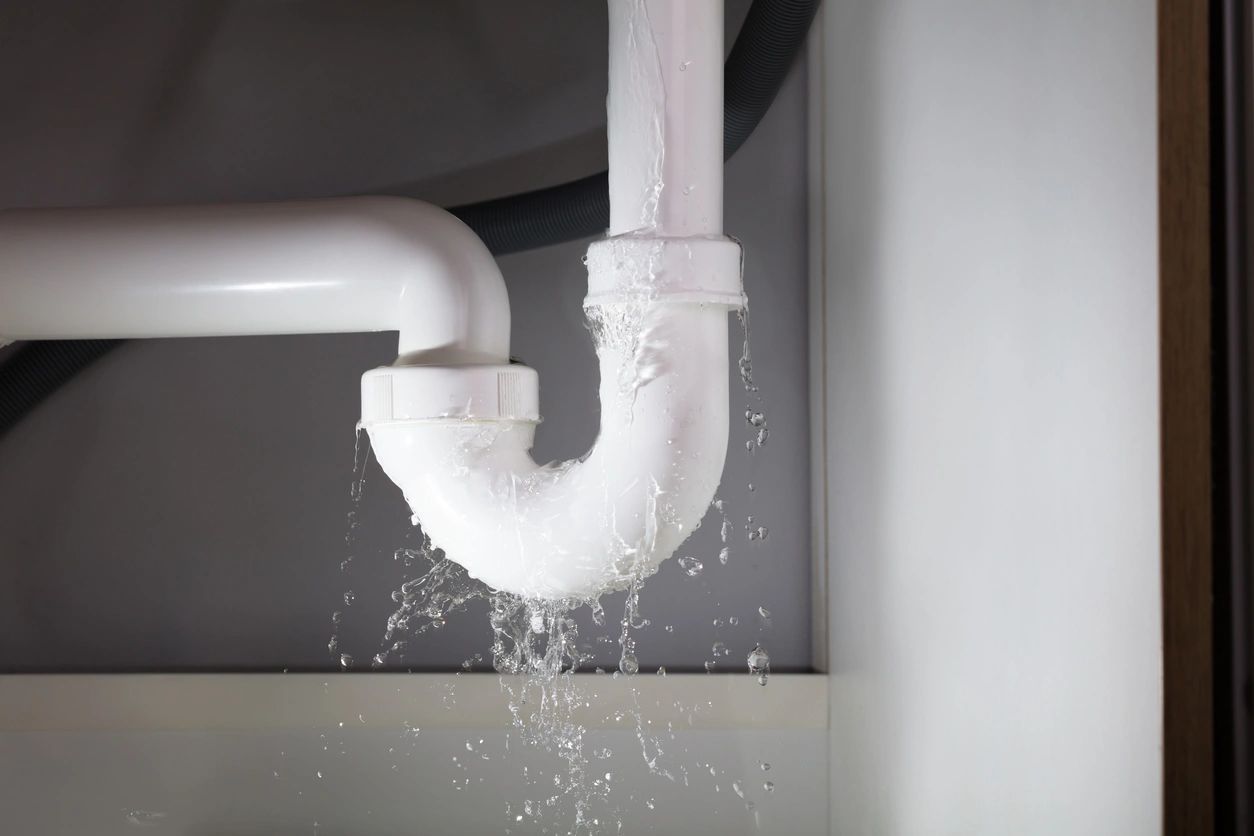


A basement floor drain is easy to forget about when it is working properly.
It sits quietly in the lowest level of the home, often near a utility area, laundry room, mechanical room, or unfinished section of the basement.
Then one day, something changes.
You notice water around the drain.
Maybe you hear gurgling when someone flushes an upstairs toilet. Perhaps the drain develops a strong sewer-like smell. In a more serious situation, dirty wastewater begins rising through the opening and spreading across the basement floor.
When water is coming up through a basement floor drain rather than flowing down it, your plumbing system is telling you that something needs attention.
For homeowners in Manotick, Ottawa, Kanata, Nepean, and Rockcliffe, a basement floor drain backup can be associated with a localized drainage issue, a restriction farther along the home’s drainage system, or another condition preventing wastewater from moving away normally.
OttaWater provides professional drain cleaning, basement plumbing, residential plumbing repairs, and emergency plumbing throughout the Ottawa area.
Understanding why a basement floor drain backs up can help you recognize the warning signs earlier and reduce the likelihood of discovering a serious drainage problem after wastewater has already entered your basement.
What Is a Basement Floor Drain Supposed to Do?
A floor drain provides a drainage point at floor level.
Depending on the home’s plumbing configuration and the location of the drain, it may help manage water in areas where leakage or other water accumulation could occur.
Like other drainage fixtures, a floor drain normally allows water to move away from the home.
It should not routinely:
- Bubble
- Overflow
- Produce persistent sewer odours
- Fill with wastewater
- React dramatically when other fixtures are used
When those symptoms appear, determining what is happening elsewhere in the drainage system becomes important.
Why Does the Basement Drain Often Show a Problem First?
Location matters.
Basement plumbing is typically lower than the kitchen and bathrooms above it.
When wastewater cannot move normally through a downstream drain because of a restriction, it can begin seeking another available path.
A low fixture may become one of the first places where a serious backup becomes visible.
That is why water coming through the floor drain can be more significant than a single slow bathroom sink.
The floor drain may not be the source of the problem.
It may simply be where the problem becomes visible.
Cause #1: A Main Drain Restriction
One of the most important possibilities is a restriction in drainage piping serving multiple fixtures.
Consider what happens during normal household use.
Water leaves:
- Toilets
- Showers
- Bathtubs
- Bathroom sinks
- Kitchen sinks
- Laundry equipment
Those individual drains eventually connect into larger drainage piping.
If wastewater encounters a significant obstruction after several of those lines have joined, the problem can affect more than one fixture.
A basement floor drain may then begin:
- Gurgling
- Draining poorly
- Holding unexpected water
- Backing up
This is particularly concerning when other fixtures are also showing symptoms.
Cause #2: Years of Drain Buildup
Drain blockages do not always happen suddenly.
Sometimes they develop gradually.
Material can accumulate inside drainage piping over time, including:
- Grease
- Soap residue
- Hair
- Food particles
- Organic material
- Other debris
The usable opening inside the pipe becomes smaller.
At first, you may not notice anything.
Then a kitchen sink becomes slightly slow.
Later, a bathtub starts taking longer to empty.
Eventually, heavy water use overwhelms the restricted drainage path and water appears at the basement floor drain.
This is why recurring slow drains elsewhere in the home should not be ignored.
Cause #3: Kitchen Grease and Food Residue
Your basement floor drain may be far away from the kitchen, but the two can still be part of the same broader drainage system.
Grease poured into the kitchen sink may travel some distance before cooling and adhering to pipe surfaces.
As buildup develops, it can trap additional material.
Over time, the restriction may become significant enough to interfere with wastewater coming from several areas of the home.
Preventing grease from entering the kitchen drain is therefore not just about preventing kitchen sink clogs.
It is part of protecting the larger drainage system.
Cause #4: Inappropriate Materials Flushed Down Toilets
Toilets are designed for human waste and appropriate toilet paper.
Other materials can contribute to drainage problems.
Avoid treating the toilet as a garbage disposal for household products.
Even when an item appears to disappear after flushing, that does not guarantee it has travelled through the entire drainage system without causing trouble.
A blockage farther downstream may eventually reveal itself through slow toilets, gurgling, or a basement drain backup.
Cause #5: Tree Root Intrusion or Underground Drain Problems
For some properties, the problem may involve underground drainage piping.
Where vulnerabilities exist in a buried line, surrounding roots can potentially enter and contribute to restrictions.
Other underground pipe conditions can also interfere with drainage.
However, homeowners should not assume that every basement backup is caused by tree roots.
The blockage could instead involve accumulated material or another drainage problem.
When backups repeatedly return, further investigation may be appropriate to determine what is actually happening inside the line.
Cause #6: A Local Floor Drain Blockage
Not every floor drain backup means there is a major problem elsewhere.
The floor drain itself can become restricted.
Depending on the environment, debris may collect around or inside the drain.
A localized obstruction may prevent water from entering the drain normally.
The important question is whether the drain is simply slow when water is poured into it or whether water is actually being pushed back out when other fixtures operate.
Those are different situations.
Cause #7: Heavy Household Water Use Exposes an Existing Restriction
Sometimes the drainage system appears normal until several fixtures are used close together.
For example:
- Someone showers upstairs.
- Another person flushes a toilet.
- The washing machine drains.
- The kitchen sink is running.
A healthy drainage system should be designed to handle normal household use.
But a partially blocked line may cope with small amounts of water and struggle when wastewater volume increases.
That is when the basement drain may suddenly gurgle or overflow.
The heavy water use did not necessarily create the blockage.
It may simply have exposed one that was already developing.
Why Does the Floor Drain Back Up When the Washing Machine Runs?
This is a particularly useful clue.
A washing machine can discharge a substantial amount of water during its drain cycle.
If the downstream drainage line is restricted, that sudden volume can reveal the problem.
You may notice:
- Gurgling from the floor drain
- Water appearing around the drain
- Nearby fixtures reacting
If this repeatedly happens when the washer drains, have the plumbing evaluated rather than assuming the washing machine itself is responsible.
Why Does the Basement Drain Gurgle When I Flush the Toilet?
A floor drain and toilet may connect into the same broader drainage system.
If flushing an upstairs toilet consistently causes the basement drain to gurgle, air and wastewater may not be moving normally through the system.
The exact cause cannot be identified from the sound alone.
But if the gurgling occurs alongside:
- Slow drains
- Sewer smells
- Repeated clogs
- Water rising in the floor drain
professional diagnosis becomes increasingly important.
Why Does Water Come Up When Someone Takes a Shower?
The same principle applies.
A shower sends wastewater into the drainage system continuously.
If a downstream line is partially blocked, that water may have difficulty moving away.
If the basement floor drain reacts every time the shower runs, the issue may involve shared drainage piping rather than the shower itself.
Pay attention to fixture interactions.
They can provide valuable clues about where the problem is located.
What If Several Drains Are Slow Too?
This is one of the clearest warning patterns.
Suppose you have:
- A slow kitchen sink
- A bathtub that drains poorly
- A gurgling toilet
- A basement floor drain that occasionally holds water
Treating these as four unrelated plumbing problems may miss the bigger picture.
Multiple affected fixtures can indicate a restriction farther along the drainage system.
If you’re searching for drain cleaning near Manotick or Ottawa, tell the plumber about every affected fixture.
The pattern matters.
Sewer Smells From the Basement Drain
A basement floor drain may develop an unpleasant smell for several reasons.
One possibility is a dry trap.
Drain traps maintain a water barrier that helps prevent sewer gases from entering the home. A rarely used floor drain can sometimes lose enough water that odours become noticeable.
If the drain is simply dry, restoring the water seal may resolve the smell.
However, persistent sewer odours combined with:
- Gurgling
- Slow drainage
- Water rising
- Wastewater backup
should not be dismissed as a dry trap without further investigation.
Is the Water Clean or Wastewater?
This distinction can help determine urgency.
A small amount of relatively clean water around a basement drain could have a source unrelated to a sewage backup.
But if the water:
- Smells like sewage
- Contains waste
- Is dirty or contaminated
- Appears when toilets or other drains are used
treat the situation as a drainage backup.
Avoid direct contact with contaminated water and arrange professional assistance.
Is a Backed-Up Basement Drain an Emergency?
It can be.
A basement floor drain that is merely slow is different from sewage actively entering your home.
Prompt plumbing service is appropriate when:
- Wastewater is rising from the drain
- Sewage is spreading across the basement
- Multiple fixtures cannot drain
- The backup is getting worse
- Contaminated water is reaching finished areas
These situations create sanitation concerns and can damage flooring, drywall, furniture, stored belongings, and other materials.
What Should You Do When the Floor Drain Is Actively Backing Up?
The first goal is to avoid adding unnecessary wastewater to the system.
Temporarily stop or minimize use of:
- Toilets
- Showers
- Bathtubs
- Kitchen sinks
- Dishwasher
- Washing machine
If the drainage system cannot carry wastewater away properly, continuing to send more water into it can worsen the backup.
Keep children and pets away from contaminated areas.
Then arrange professional plumbing service.
Don’t Keep Flushing Toilets to “Test” the Drain
Once wastewater is already coming through the floor drain, repeated testing can make matters worse.
Homeowners sometimes flush several toilets or run large amounts of water to see whether the blockage has cleared.
If it has not, you are simply sending more wastewater toward the restriction.
Once an active backup is confirmed, reduce water use until the system is evaluated.
Professional Drain Cleaning for Basement Backups
When accumulated material is causing a restriction, professional drain cleaning may be necessary.
The appropriate method depends on:
- Location of the obstruction
- Severity
- Accessibility
- Pipe condition
- Whether the blockage repeatedly returns
The objective is not simply to make the floor drain empty again.
A plumber needs to understand why water reached the floor drain in the first place.
Why Clearing Only the Floor Drain May Not Solve the Problem
Imagine wastewater is backing up through the basement drain because a larger line farther downstream is blocked.
Cleaning only the first few inches of the floor drain will not address that obstruction.
The floor drain is merely the exit point where the backup appeared.
This is why system-wide symptoms matter.
If the backup happens whenever upstairs plumbing is used, tell the plumber.
That information can change the diagnostic approach.
When Can a Drain Camera Inspection Help?
For recurring or difficult drainage problems, a camera inspection may sometimes help evaluate conditions inside accessible drainage piping.
It can be useful when trying to understand issues such as:
- Repeated blockages
- Suspected pipe damage
- Potential root intrusion
- Other conditions within the line
Not every simple drain clog requires camera inspection.
But when a basement backup repeatedly returns after cleaning, understanding why it keeps happening becomes important.
Is Professional Drain Cleaning Worth It?
Yes, when an obstruction or significant buildup is preventing wastewater from moving normally.
Professional drain cleaning can help:
- Restore drainage
- Remove accumulated material
- Reduce recurring clogs
- Address deeper restrictions
However, cleaning alone may not permanently solve a problem caused by damaged or compromised piping.
The solution should match the underlying cause.
What Is the Average Cost to Unclog a Drain?
There is no single price for every drainage problem.
Cost can depend on:
- Location of the blockage
- Severity
- Accessibility
- Equipment required
- Diagnostic work
- Whether emergency service is required
A bathroom sink clog is very different from a basement backup involving a larger drainage line.
Homeowners searching for drain cleaning near me cost should describe the symptoms accurately when requesting service.
What About “Free Drain Cleaning Near Me”?
Promotional offers sometimes appear when homeowners search for free drain cleaning near me.
Read the conditions carefully.
Determine whether the offer includes:
- Diagnosis
- Specific types of drains
- Required additional services
- Equipment
- Restrictions or eligibility requirements
The goal should be identifying and addressing the real drainage problem rather than selecting service based solely on promotional wording.
How to Help Prevent Basement Floor Drain Backups
Not every backup can be prevented, but good plumbing habits can reduce avoidable drainage problems.
Keep Grease Out of Kitchen Drains
Allow cooking grease and oils to cool and dispose of them appropriately rather than pouring them down the sink.
Protect Bathroom Drains
Use strainers or hair catchers where appropriate.
Hair and soap buildup can contribute to restrictions.
Flush Only Appropriate Materials
Keep unnecessary household products out of toilets.
Pay Attention to Slow Drains
A slow sink or tub can be an early warning rather than an isolated inconvenience.
Investigate Recurring Clogs
If the same drain repeatedly blocks, determine why.
Watch the Basement Drain
Do not wait until it overflows before paying attention to gurgling, odours, or unexpected water.
Should You Schedule Preventative Drain Cleaning?
Not every home needs drain cleaning on an arbitrary schedule.
A better approach is to consider:
- Plumbing history
- Recurring clogs
- Previous backups
- Drain performance
- Condition of the drainage system
If your Manotick home has a history of basement backups or recurring slow drains, discussing preventative maintenance with a plumber can make sense.
Basement Renovations Make Drainage Problems More Important
An unfinished basement with a concrete floor can still suffer damage from a backup.
But the stakes become even higher after finishing the space.
A renovated basement may contain:
- Flooring
- Drywall
- Insulation
- Furniture
- Electronics
- Storage
- Home office equipment
Before finishing a basement, investigate any history of:
- Floor drain backups
- Sewer smells
- Slow drainage
- Gurgling
- Repeated clogs
Covering the problem with expensive finishes does not make it disappear.
Planning a Basement Bathroom?
Drainage should be considered before installing new fixtures.
A basement bathroom may include:
- Toilet
- Sink
- Shower
- Bathtub
If the existing home already has drainage problems, adding fixtures without addressing those problems first can create additional complications.
A plumbing assessment can help identify existing concerns before renovation begins.
Walk-In Shower Installation and Basement Drainage
Homeowners searching for walk in shower installation or shower installation near me sometimes focus almost entirely on tile, glass, fixtures, and layout.
Drainage is equally important.
Before installing a basement shower, the plumbing plan needs to consider:
- Drain location
- Drainage configuration
- Water supply
- Existing plumbing condition
- Accessibility
Existing backups should be resolved before new bathroom finishes are installed.
What Affects Shower Installation Cost in Ontario?
The shower installation cost in Ontario can vary significantly depending on the project.
Plumbing factors may include:
- Existing drain location
- Drain relocation
- Water supply modifications
- Shower valve installation
- Pipe condition
- Accessibility
Basement installations can involve different considerations from replacing an existing upstairs shower.
A professional assessment provides a better understanding of the actual scope.
Do Plumbers Install Shower Doors?
Plumbers typically handle the plumbing components of a shower installation, including:
- Water supply
- Valves
- Drainage
- Fixture connections
Depending on the project, shower doors may be installed by the plumber, renovation contractor, or a specialized glass installer.
Confirm the complete scope before beginning the renovation.
Basement Drain Problems and Water Heater Leaks Can Look Similar at First
Many water heaters are installed near floor drains.
If you find water around the basement drain, do not immediately assume the drain backed up.
Check the surrounding area.
Possible sources may include:
- Water heater
- Nearby plumbing connection
- Laundry equipment
- Utility sink
- Another leak
Follow the visible water pattern if possible.
If the water is coming up through the drain, you likely have a drainage issue.
If water is flowing toward the drain from another source, a leak may be responsible.
Check the Water Heater While You’re in the Basement
Since you’re already inspecting the area, look around the water heater for:
- Moisture
- Corrosion
- Dripping connections
- Unusual water accumulation
- Significant new noises
OttaWater also provides hot water tank repair and replacement throughout Manotick and the Ottawa area.
A floor drain may actually be doing its job by collecting water from a leaking appliance, which is very different from the drain itself overflowing.
What Is a Plumbing Emergency?
A plumbing emergency generally involves a situation where waiting could lead to significant property damage, sanitation concerns, or loss of essential plumbing.
Examples include:
- Sewage backups
- Burst pipes
- Major uncontrolled leaks
- Significant flooding
Homeowners facing an active basement backup may search for emergency plumbing near me, 24 hour emergency plumbing near me, or an emergency plumber Ottawa.
If contaminated wastewater is entering your basement, prompt professional assistance is appropriate.
Warning Signs to Watch Before a Full Backup Happens
Basement drain problems often provide clues before the worst-case scenario.
Watch for:
- Repeated gurgling
- Sewer smells
- Slow drains elsewhere
- Toilets bubbling
- Water appearing briefly in the floor drain
- Recurring kitchen or bathroom clogs
- Drain problems during laundry cycles
- Several fixtures affecting each other
One symptom does not automatically prove there is a main drainage blockage.
Several symptoms together make professional evaluation much more worthwhile.
A Quick Basement Drain Check for Manotick Homeowners
Periodically walk through your basement and look at the drain.
Ask yourself:
Is the area dry?
There should not be unexplained standing water.
Does the drain smell?
Persistent sewer odours deserve attention.
Does it gurgle?
Notice whether the sound corresponds with toilets, showers, or laundry use.
Has it backed up before?
Previous problems are important.
Are other drains slow?
Multiple affected fixtures can point toward a larger restriction.
Is nearby equipment leaking?
Make sure the water isn’t actually coming from the water heater or another plumbing fixture.
When Should You Call a Plumber?
Contact a plumber when:
- Water comes up through the basement floor drain
- The drain repeatedly gurgles
- Several fixtures are slow
- Toilets cause the floor drain to react
- Laundry discharge causes water to rise
- Persistent sewer smells develop
- A previous backup keeps returning
- Wastewater enters the basement
The sooner the underlying cause is identified, the better chance you have of addressing the problem before a more serious backup occurs.
Professional Plumbing and Drain Cleaning in Manotick
OttaWater provides plumbing services throughout Manotick, Ottawa, Kanata, Nepean, and Rockcliffe.
Our services include:
- Basement floor drain service
- Professional drain cleaning
- Main drainage problem diagnosis
- Kitchen drain cleaning
- Bathroom drain cleaning
- Recurring clog diagnosis
- Basement plumbing
- Toilet plumbing
- Leak detection
- Pipe repair
- Water heater plumbing
- Hot water tank repair
- Hot water tank replacement
- Bathroom plumbing
- Shower plumbing
- Emergency plumbing
- Residential plumbing repairs
Whether your basement drain has started gurgling or wastewater is already backing up, understanding what is happening farther along the drainage system is essential.
Don’t Wait Until the Basement Floor Is Covered in Water
A basement floor drain backup rarely feels minor once wastewater starts spreading through the room.
The better time to act is when the warning signs first appear.
Maybe the floor drain gurgles when the washing machine empties.
Perhaps the toilet bubbles when someone showers.
Maybe several household drains have gradually become slower.
Or perhaps you’ve noticed water briefly rising inside the floor drain before disappearing again.
These symptoms can be clues that wastewater is having difficulty moving through the drainage system.
The floor drain may simply be the lowest place where that problem becomes visible.
If you’re searching for a dependable plumber in Manotick, drain cleaning near Manotick, or emergency plumbing because your basement floor drain is backing up, OttaWater can diagnose the problem and determine the appropriate next step.
Call: (613) 884-8355
Frequently Asked Questions
Why is water coming up through my basement floor drain?
A floor drain can back up when wastewater cannot move normally through the drainage system. Possible causes include a larger drain restriction, accumulated material, or a localized floor drain problem.
Why does my basement drain back up when the washing machine runs?
A washing machine releases a substantial amount of wastewater during its drain cycle. If a downstream line is partially restricted, the increased flow can expose the problem and cause water to appear at a lower drain.
Why does the basement floor drain gurgle when I flush a toilet?
The fixtures may share parts of the same drainage system. Gurgling can indicate abnormal movement of water and air, especially when it occurs with slow drains or backups.
Does a basement floor drain backup mean the main drain is clogged?
Not always. A local floor drain restriction is possible. However, if multiple fixtures are affected or upstairs water use causes the floor drain to react, a larger drainage restriction should be investigated.
Is a basement floor drain backup an emergency?
It can be. If sewage or contaminated wastewater is actively entering the basement, stop unnecessary water use and arrange prompt plumbing service.
What should I do while my basement drain is backing up?
Avoid unnecessary toilet flushing, showers, laundry, dishwasher use, and other activities that send more wastewater into the drainage system. Keep people and pets away from contaminated water and contact a plumber.
Can professional drain cleaning prevent another basement backup?
Professional drain cleaning can help when accumulated material or a blockage is responsible. If the underlying problem involves damaged piping or another structural issue, additional repair may be necessary.
How can I prevent my basement floor drain from backing up?
Keep grease out of kitchen drains, prevent hair and unnecessary debris from entering bathroom drains, flush only appropriate materials, and investigate recurring slow drains or gurgling before they develop into a larger problem.
Why does my basement floor drain smell like sewage?
A dry trap can sometimes allow sewer odours into the basement. Persistent odours combined with gurgling, slow drains, or backups should be professionally investigated.
When should I call a plumber about my basement floor drain?
Call when water rises through the drain, backups repeatedly return, multiple household drains become slow, toilets cause the floor drain to gurgle, or sewage enters the basement.