

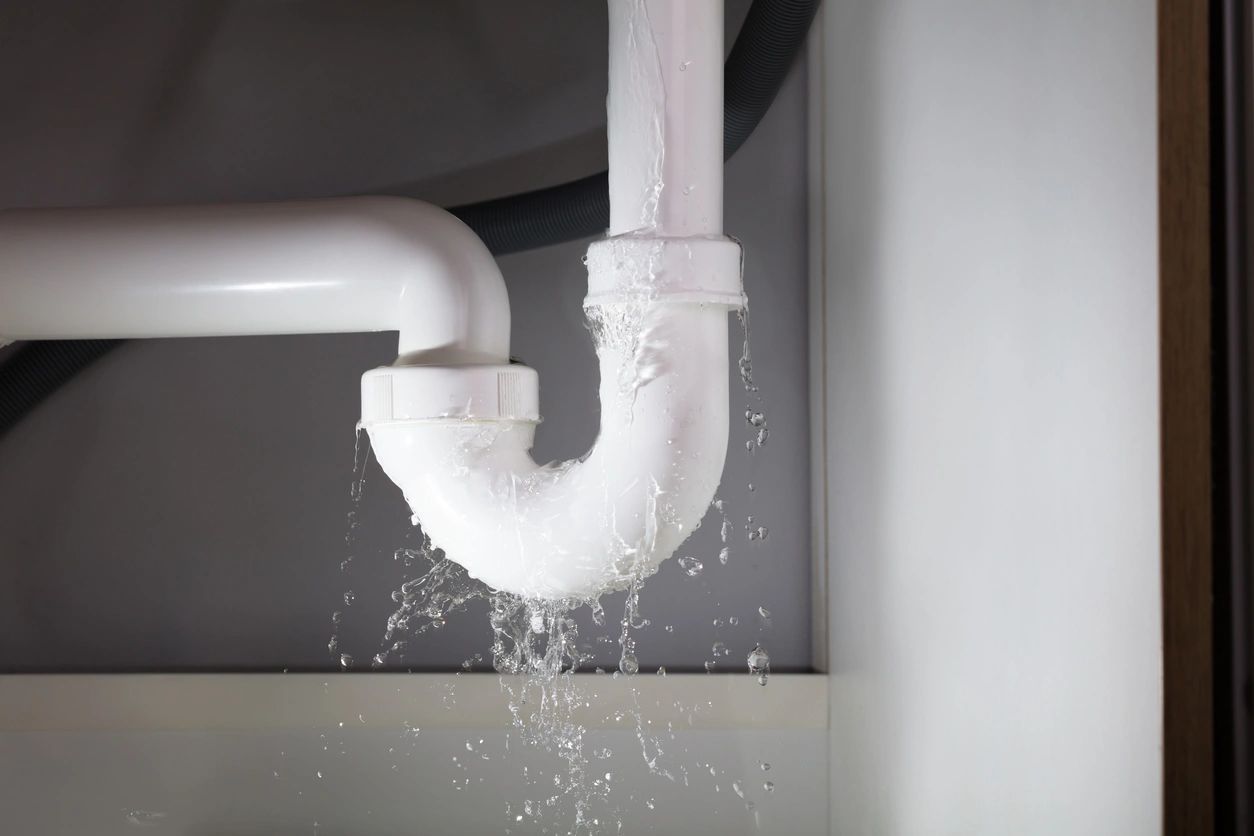
Plumbing fittings are easy to overlook.
They sit quietly between pipes, valves, fixtures, and appliances, helping your plumbing system move water where it needs to go. Most homeowners never think about them until one begins to leak, corrode, crack, or fail.
That is exactly why corroded fittings can be risky.
For homeowners in Rockcliffe, Ottawa, Kanata, Nepean, and Manotick, corrosion around visible plumbing connections may be an early warning sign that parts of the system are deteriorating. Sometimes the problem is limited to one fitting. In other cases, visible corrosion can point toward a larger issue involving aging plumbing, persistent moisture, or incompatible materials.
At OttaWater, we help homeowners inspect questionable plumbing connections, repair leaks, replace deteriorated fittings, and determine whether a local problem is part of a broader plumbing concern.
If you are wondering whether the green, white, blue, rust-coloured, or crusty buildup around a plumbing fitting is harmless or a sign of trouble, here is what to look for.
What Is Plumbing Corrosion?
Corrosion is the gradual deterioration of metal caused by chemical or environmental reactions.
In plumbing systems, this can affect:
- Pipe fittings
- Valves
- Supply connections
- Water heater connections
- Faucet connections
- Exposed piping
- Appliance hookups
Corrosion may appear as:
- Green or blue buildup
- White crusty deposits
- Rust-coloured staining
- Pitting
- Flaking
- Surface roughness
Not every stain means a fitting is about to fail, but persistent or worsening corrosion deserves attention.
Why Plumbing Fittings Corrode
Several factors can contribute to deterioration.
Possible causes include:
- Age
- Constant moisture
- Small leaks
- Water chemistry
- Material incompatibility
- Improper installation
- Repeated condensation
The exact cause matters because simply wiping away the visible buildup may not solve the problem.
Sign #1: Green or Blue Buildup Around Copper Connections
Green or blue staining around copper plumbing is one of the most recognizable signs of corrosion or mineral-related buildup.
You may see it around:
- Fittings
- Valves
- Joints
- Water heater connections
If the area is also damp, the fitting may be slowly leaking.
A small leak can evaporate before creating a noticeable puddle, leaving mineral or corrosion deposits behind.
That makes visible buildup an important clue.
Sign #2: White Crusty Deposits
White mineral deposits often form where small amounts of water repeatedly dry on a plumbing connection.
You may notice them around:
- Shut-off valves
- Faucet supply lines
- Water heater connections
- Pipe joints
The deposit itself may not be the biggest issue.
The more important question is:
Why is moisture repeatedly appearing there?
If the fitting is leaking slowly, the underlying problem should be repaired rather than simply cleaned.
Sign #3: Rust-Coloured Staining
Rust-coloured staining can indicate deterioration of certain metal components.
Look carefully around:
- Valves
- Pipe connections
- Water heater fittings
- Older exposed plumbing
If the fitting looks heavily deteriorated, replacement may be more appropriate than waiting for a leak to develop.
Sign #4: The Fitting Is Damp
This is one of the clearest warning signs.
A fitting should generally remain dry.
If you touch an accessible connection and find moisture, investigate it.
Persistent dampness may indicate:
- A slow leak
- Condensation
- A deteriorating seal
- Corrosion
A plumber can determine which condition is responsible.
Sign #5: The Fitting Has Started Dripping
Once active dripping begins, the problem is no longer just cosmetic.
Even a slow drip can:
- Damage cabinets
- Stain flooring
- Affect drywall
- Encourage mold growth
- Increase water usage
Do not wait for a small drip to become a larger leak.
Sign #6: The Fitting Looks Pitted or Flaky
Surface corrosion may eventually weaken metal.
Watch for:
- Rough pitting
- Flaking
- Material loss
- Deep discolouration
These signs can indicate that the fitting itself is deteriorating rather than simply accumulating surface deposits.
If the metal looks physically compromised, replacement may be the safer option.
Sign #7: You See Corrosion Around Several Connections
One corroded fitting may be an isolated problem.
Several fittings showing similar deterioration can point toward a broader condition.
A plumber may need to consider:
- Overall plumbing age
- Water conditions
- Repeated leaks
- Installation history
This is especially important in older homes where plumbing may have been modified over many years.
Could Corrosion Cause a Hidden Leak?
Yes.
A fitting can deteriorate gradually and begin leaking slowly before homeowners notice a puddle.
Possible signs include:
- Musty smells
- Cabinet damage
- Water stains
- Higher water bills
- Damp walls
- Soft flooring
If visible corrosion appears near hidden plumbing areas, it is worth checking for moisture nearby.
Corrosion Under the Kitchen Sink
Kitchen cabinets can hide plumbing problems for a long time.
Check around:
- Faucet supply lines
- Shut-off valves
- Drain connections
- Dishwasher plumbing connections
Look for:
- Corrosion
- Water stains
- Dampness
- Swollen cabinet material
A corroded fitting beneath the sink can leak gradually and damage the cabinet before the homeowner notices.
Corrosion in the Bathroom
Bathrooms contain many plumbing connections that can deteriorate.
Inspect visible areas around:
- Sink valves
- Toilet supply lines
- Shower plumbing access points
- Tub connections
If you are already seeing corrosion around one fixture, it may be worth checking the others.
Water Heater Connections Deserve Extra Attention
The plumbing connections around a water heater should remain dry and secure.
Watch for:
- Corrosion
- Mineral deposits
- Moisture
- Rust staining
- Active dripping
OttaWater provides:
- Hot water tank repair
- Hot water tank replacement
- Water heater plumbing services
If corrosion appears around the water heater, have the source identified before it worsens.
Corrosion vs. Condensation
Not every damp pipe is leaking.
Cold water pipes can sometimes develop condensation.
However, repeated moisture can still contribute to corrosion over time.
A plumber can help determine whether the problem is:
- Active leakage
- Condensation
- Another moisture source
Correct diagnosis prevents unnecessary repairs.
Can High Water Pressure Contribute to Fitting Problems?
Excessive water pressure can place additional stress on plumbing connections.
Over time, this may contribute to:
- Leaks
- Valve wear
- Fitting stress
- Fixture problems
If several fittings are failing or leaking, the broader plumbing system may deserve evaluation.
Should Corroded Fittings Be Repaired or Replaced?
That depends on the condition.
Repair may be appropriate when:
- The fitting is otherwise sound
- The issue is minor
- The leak is at a replaceable seal or connection
Replacement may make more sense when:
- Corrosion is significant
- The metal is visibly weakened
- The fitting leaks repeatedly
- The connection has deteriorated
A professional inspection helps determine which option is safer.
Don’t Simply Tighten Corroded Fittings
Homeowners sometimes try to stop a leak by tightening a connection aggressively.
That can be risky.
If the fitting is already corroded or weakened, excessive force may damage it further.
If you are unfamiliar with the plumbing component, have it professionally evaluated instead of forcing it.
Corroded Shut-Off Valves Can Be a Problem Too
Shut-off valves are important because they allow water to be isolated during repairs.
A corroded valve may:
- Leak
- Become difficult to operate
- Fail to close fully
That can become especially inconvenient during a plumbing emergency.
If a valve appears heavily deteriorated, ask a plumber whether replacement is appropriate.
Why Older Rockcliffe Homes Should Inspect Visible Plumbing Regularly
Older homes often contain plumbing installed or modified at different times.
You may see:
- Original piping
- Newer fittings
- Previous repairs
- Mixed materials
This does not automatically mean the plumbing is unsafe.
But it does make regular visual inspection useful.
Watch for changes in:
- Corrosion
- Moisture
- Pressure
- Leak frequency
A pattern of deterioration can help identify areas that need attention.
Plumbing Renovations Can Reveal Corroded Connections
Kitchen and bathroom renovations provide valuable access to plumbing.
If you are planning:
- Bathroom installation
- Shower installation near me
- Walk in shower installation
- Kitchen renovation
inspect existing supply lines and fittings before new finishes are installed.
Replacing questionable connections while walls are already open can be much easier than returning later.
What Affects Shower Installation Cost in Ontario?
The shower installation cost in Ontario depends on the plumbing work involved.
Factors may include:
- Existing pipe condition
- Corroded fittings
- Water supply modifications
- Drain location
- Shower valve installation
- Accessibility
If deteriorated plumbing must be replaced before installation, that should be included in the project plan.
Do Plumbers Install Shower Doors?
Plumbers generally handle the plumbing-related portion of a shower project, including:
- Supply lines
- Shower valves
- Drain connections
- Fixtures
Shower doors may be installed by a plumber, renovation contractor, or specialized glass installer depending on the project.
Corrosion and Drain Problems Are Different Issues
Corroded supply fittings and slow drains are not the same problem.
One affects incoming water.
The other affects wastewater leaving the fixture.
However, a home can have both at the same time.
If you also notice:
- Slow drains
- Gurgling
- Recurring clogs
- Sewer smells
OttaWater also provides professional drain cleaning Ottawa services.
Is Drain Cleaning Worth It?
Yes, when buildup or a blockage is restricting drainage.
Professional drain cleaning may help:
- Restore flow
- Reduce recurring clogs
- Remove accumulated material
But it will not repair a corroded water-supply fitting.
Each problem needs the correct service.
What Is the Average Cost to Unclog a Drain?
The cost depends on:
- Location
- Severity
- Accessibility
- Equipment required
- Number of affected fixtures
Homeowners searching drain cleaning near me cost should remember that every blockage is different.
When Does Corrosion Become an Emergency?
Surface corrosion alone is usually not an emergency.
The situation becomes urgent when:
- A fitting starts spraying water
- A pipe connection fails
- Water cannot be controlled
- Significant damage is occurring
In those situations, prompt professional service is recommended.
Homeowners may search for emergency plumbing near me, 24 hour emergency plumbing near me, or an emergency plumber Ottawa.
What Should You Do If a Corroded Fitting Starts Leaking Heavily?
If water is escaping rapidly:
- Avoid unnecessary contact with the affected area.
- If you safely know how, isolate the water supply.
- Keep water away from electrical equipment.
- Contact a plumber promptly.
Do not rely on temporary tape or improvised fixes for a major active leak.
A Simple Plumbing Corrosion Checklist
Walk through accessible plumbing areas and look for:
Under Sinks
- Green or white deposits
- Moisture
- Rust staining
Around Toilets
- Corroded supply valves
- Dripping connections
Water Heater
- Corrosion
- Moisture
- Mineral buildup
Basement Plumbing
- Rust
- Flaking
- Staining
- Active leaks
Laundry Area
- Corroded valves
- Damp connections
If you notice several affected areas, a broader plumbing inspection may be worthwhile.
When Should You Call a Plumber?
Professional service is recommended when:
- Corrosion is getting worse
- The fitting is damp
- A connection drips
- Rust or mineral deposits keep returning
- Several fittings are affected
- A valve is difficult to operate
- Water pressure changes
- You suspect hidden leakage
Catching the problem early can help prevent a more serious leak.
Plumbing Services for Rockcliffe Homeowners
OttaWater provides plumbing services throughout Rockcliffe, Ottawa, Kanata, Nepean, and Manotick.
Services include:
- Plumbing fitting replacement
- Leak detection
- Pipe repair
- Shut-off valve replacement
- Faucet plumbing
- Toilet plumbing
- Water heater plumbing
- Hot water tank repair
- Hot water tank replacement
- Bathroom plumbing
- Shower plumbing
- Drain cleaning
- Emergency plumbing
- Residential plumbing inspections
Whether the corrosion is limited to one connection or appears throughout several areas of the home, identifying the cause is the first step.
Corrosion Is Easier to Deal With Before the Fitting Fails
A plumbing fitting does not need to be actively spraying water before it deserves attention.
Visible corrosion, recurring mineral deposits, dampness, and repeated leaks are all clues that the connection may be deteriorating.
The best time to address a questionable fitting is usually before it fails completely.
If you are searching for a dependable plumber in Rockcliffe to inspect corroded plumbing fittings, replace deteriorated connections, or check for hidden leaks, OttaWater is ready to help.
Call: (613) 884-8355
Frequently Asked Questions
What does green or blue corrosion on plumbing mean?
Green or blue buildup commonly appears on copper plumbing when corrosion or mineral-related deposits are present. If the area is also damp, a slow leak may be contributing.
Is white crust around a plumbing fitting a problem?
White mineral deposits can indicate repeated moisture around the connection. The source should be identified, especially if the deposits keep returning.
Can a corroded fitting suddenly fail?
Yes. A heavily deteriorated fitting may eventually leak or fail, particularly if the metal has become weakened.
Should I replace a fitting if it is corroded but not leaking?
Not always. The decision depends on the severity of corrosion and the condition of the fitting. A plumber can determine whether monitoring, repair, or replacement makes sense.
Can high water pressure damage plumbing fittings?
Excessive pressure can place additional stress on plumbing components and may contribute to leaks or premature wear.
Why is there corrosion around my water heater connections?
Moisture, aging fittings, or other plumbing conditions may be contributing. Water heater connections should remain dry, so persistent corrosion deserves inspection.
Is corrosion under the sink dangerous?
It can become a problem if it is associated with a leak or weakened fitting. Inspect the area for moisture, staining, or cabinet damage.
Can drain cleaning fix corrosion?
No. Drain cleaning addresses wastewater blockages, while corroded fittings affect water-supply connections and require separate repair.
When is a corroded fitting a plumbing emergency?
It becomes urgent when the fitting begins leaking heavily, water cannot be controlled, or active water damage is occurring.
When should I call a plumber about corrosion?
Call when corrosion is worsening, fittings are damp or leaking, several plumbing connections are affected, or you are unsure whether the metal has become structurally weakened.
