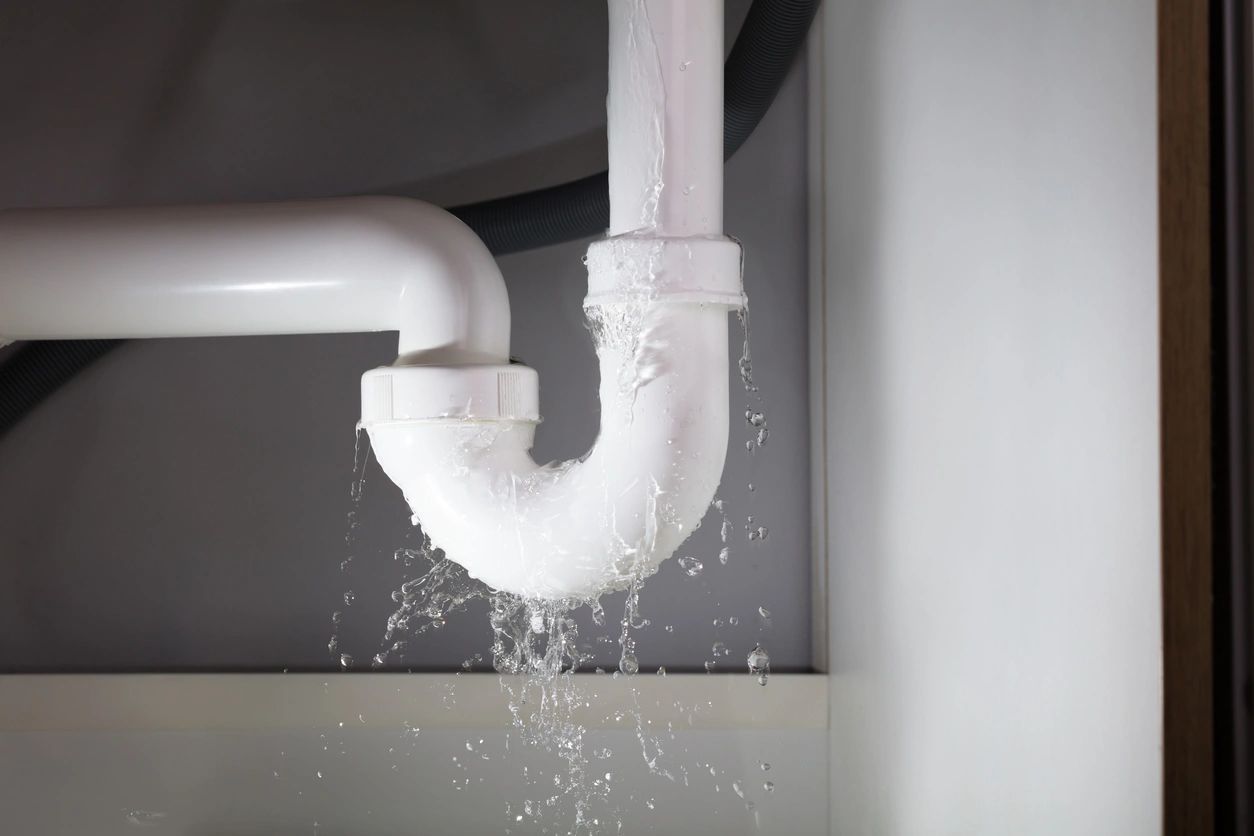


A dripping faucet can be surprisingly easy to ignore.
You turn the handle completely off, walk away, and still hear:
Drip. Drip. Drip.
At first, it may seem like nothing more than an annoying sound. But a faucet that continues dripping after it has been turned off is usually telling you that something inside the fixture is no longer sealing properly.
For homeowners in Ottawa, Kanata, Nepean, Manotick, and Rockcliffe, a persistent faucet leak deserves attention before a small fixture problem develops into wasted water, staining, deterioration around the sink, or a more complicated plumbing repair.
Sometimes the solution is relatively straightforward. A worn internal component may need replacement. In other situations, corrosion, excessive water pressure, an aging faucet, or problems with the connections beneath the fixture may make replacement the better option.
OttaWater provides residential plumbing in Ottawa and surrounding communities, helping homeowners identify exactly where faucet leaks originate and determine the appropriate repair.
Let’s look at why faucets drip, what the symptoms can tell you, and when it’s time to call a plumber.
What Actually Stops Water When You Turn Off a Faucet?
A faucet doesn’t stop water simply because the handle reaches the off position.
Inside the fixture are components designed to control and seal the water flow.
Depending on the faucet design, these may include:
- Cartridges
- Washers
- O-rings
- Valve seats
- Ceramic discs
- Seals
When you close the faucet, these components should create a secure seal.
If one becomes worn, damaged, loose, or contaminated with mineral deposits, a small amount of water may continue passing through.
That’s when the dripping begins.
Not Every Faucet Leak Looks the Same
Before determining the cause, pay attention to where the water appears.
A faucet can leak from several different locations.
Water Dripping From the Spout
This is the classic dripping faucet.
You completely close the handle, but drops continue falling from the spout.
This usually points toward an internal component that is no longer sealing correctly.
Water Leaking Around the Handle
If moisture appears around the faucet handle while you’re using it, the problem may involve a seal, cartridge, O-ring, or another internal component.
Water Collecting Around the Faucet Base
Water around the base can sometimes come from splashing, but persistent moisture deserves investigation.
A leaking seal or connection may be responsible.
Water Appearing Under the Sink
This is particularly important.
The faucet may look perfectly normal from above while a supply connection or valve underneath is leaking.
Because the area is hidden inside a cabinet, considerable moisture can accumulate before the homeowner notices.
Knowing where the water is coming from is the first step toward understanding the repair.
Why Does My Faucet Keep Dripping After I Turn It Off?
There are several common possibilities.
1. A Worn Washer
In certain faucet designs, a washer helps create a watertight seal.
Every time the faucet is opened and closed, that component experiences pressure and friction.
Eventually, it may:
- Wear down
- Harden
- Crack
- Lose its shape
Once the seal is compromised, water can continue slipping past even when the faucet appears completely closed.
2. A Failing Cartridge
Many modern faucets use cartridges to control water flow and temperature.
A damaged or worn cartridge can cause:
- Constant dripping
- Difficulty shutting the faucet off
- Temperature control problems
- Stiff or loose handles
Replacing the cartridge may restore normal operation if the rest of the faucet remains in good condition.
3. Damaged O-Rings or Seals
Small seals play an important role inside plumbing fixtures.
Although these parts may seem insignificant, deterioration can allow water to escape around handles or other connections.
If the faucet leaks from somewhere other than the spout, seals and O-rings may deserve closer inspection.
4. Mineral Deposits
Mineral deposits can accumulate on internal faucet components over time.
Deposits may interfere with surfaces that need to fit tightly together.
If a valve or cartridge cannot close completely, water may continue passing through.
5. Corrosion Inside the Faucet
Older faucets can deteriorate internally.
When corrosion affects important sealing surfaces or components, simply replacing one small part may not always provide the best long-term solution.
A plumber can evaluate whether repairing or replacing the entire fixture makes more sense.
6. Excessive Water Pressure
Water pressure can affect many areas of a plumbing system.
If household pressure is higher than appropriate for the system, plumbing fixtures and valves can experience additional stress.
Possible signs of pressure-related plumbing issues may include:
- Repeated faucet leaks
- Banging pipes
- Premature fixture wear
- Problems with multiple valves
If several fixtures develop similar issues, looking beyond the individual faucet can be worthwhile.
Why Does the Faucet Drip for a Few Seconds and Then Stop?
Not every drop after turning off a faucet indicates a serious problem.
Some fixtures may release a small amount of water remaining inside the spout immediately after being shut off.
The important distinction is whether the dripping stops quickly or continues.
If a faucet drips continuously long after you’ve closed it, an internal seal is likely allowing water to continue through.
Persistent dripping deserves attention.
Can You Fix a Dripping Faucet by Tightening the Handle Harder?
This is a common reaction.
The faucet drips, so you turn the handle harder.
Sometimes it seems to help temporarily.
But repeatedly forcing the handle can create additional wear.
If the faucet only stops leaking when excessive force is applied, the underlying sealing mechanism should be inspected.
The handle shouldn’t need to be aggressively tightened every time you use the sink.
How Much Water Can a Dripping Faucet Waste?
One drop doesn’t look like much.
But a faucet may drip continuously:
- Every minute
- Every hour
- Every day
- Every month
The exact amount of wasted water depends on how quickly it is leaking.
A faster drip obviously wastes more than an occasional one.
Regardless of the exact volume, water continuously passing through a faucet when nobody is using it serves no useful purpose.
Repairing the leak helps eliminate that unnecessary consumption.
A Dripping Faucet Can Leave Marks Behind
Water waste isn’t the only concern.
Constant dripping may also contribute to:
- Mineral deposits
- Sink staining
- Discolouration
- Moisture around fixtures
- Premature deterioration of surrounding materials
A small leak beneath the sink can be even more damaging because cabinetry may absorb moisture before the problem becomes visible.
This is why homeowners should occasionally inspect underneath kitchen and bathroom sinks rather than only looking at the faucet itself.
Check Under the Sink for These Warning Signs
Open the cabinet and use good lighting.
Look around:
- Supply lines
- Shut-off valves
- Faucet connections
- Drain connections
- Cabinet floor
Watch for:
- Water droplets
- Dampness
- Staining
- Swollen cabinet material
- Corrosion
- Musty odours
If the cabinet is wet, avoid assuming the faucet spout is the only problem.
You may have a separate connection leak.
When Is a Faucet Leak a Plumbing Emergency?
A slow drip from the spout is generally not the same kind of emergency as a burst pipe.
However, the situation becomes more urgent when:
- Water cannot be shut off
- A supply connection is spraying
- Water is rapidly collecting beneath the sink
- Cabinets or flooring are being damaged
- A valve fails
- The leak suddenly becomes much worse
In those situations, knowing how to shut off the water can help limit damage while professional assistance is arranged.
Homeowners may begin searching for an emergency plumber Ottawa, emergency plumbing near me, or 24 hour emergency plumbing near me when water cannot be controlled.
Should You Repair or Replace a Dripping Faucet?
This depends on the condition of the fixture.
Repair May Make Sense When:
- The faucet is otherwise in good condition
- The problem is limited to a replaceable component
- Replacement parts are available
- There is no significant corrosion
Replacement May Make More Sense When:
- The faucet is badly corroded
- Multiple components are failing
- Leaks keep returning
- Parts are difficult to obtain
- The fixture is already being upgraded
A professional plumber in Ottawa can help determine whether repairing the existing fixture remains worthwhile.
Why Does My New Faucet Drip?
A newer faucet can still develop problems.
Possible causes may include:
- Installation issues
- Loose connections
- Debris inside the fixture
- A defective component
- Pressure-related problems
Don’t assume that a recently installed faucet cannot leak.
If dripping begins shortly after installation, it should be inspected rather than simply accepted as normal.
What If Several Faucets Start Leaking?
One leaking faucet often indicates a fixture-specific problem.
Several faucets developing problems around the same period may justify looking at the broader plumbing system.
A plumber may consider:
- Water pressure
- Fixture age
- Water conditions
- Valve performance
- Overall plumbing condition
Repeated problems across multiple fixtures can provide useful diagnostic information.
Faucet Problems During a Kitchen Renovation
Replacing a kitchen faucet may be a relatively small part of a larger renovation, but the plumbing underneath should not be overlooked.
When installing a new sink or faucet, consider inspecting:
- Supply lines
- Shut-off valves
- Drain connections
- Visible piping
If old connections are already showing signs of deterioration, addressing them while the area is accessible may help avoid problems after new cabinets and countertops are completed.
Bathroom Renovations Are Another Opportunity to Check Aging Plumbing
Bathroom renovations often involve much more than cosmetic changes.
Projects may include:
- New faucets
- Vanities
- Toilets
- Showers
- Bathtubs
- Plumbing fixtures
Homeowners searching for bathroom installation, shower installation near me, or walk in shower installation should consider the condition of existing plumbing before new finishes are installed.
A beautiful new bathroom still depends on reliable supply and drainage lines behind the walls.
Shower Faucets and Valves Can Develop Similar Problems
Sink faucets aren’t the only fixtures that control water using internal valves and seals.
Shower controls can also wear over time.
Possible warning signs include:
- Dripping showerheads after shutoff
- Difficulty controlling temperature
- Water continuing to run
- Leaks around handles
If a showerhead continuously drips long after use, the problem may be associated with the shower valve rather than the showerhead itself.
What Affects Shower Installation Cost in Ontario?
Homeowners researching shower installation cost Ontario should consider the plumbing work involved, not only the visible shower components.
Costs can vary depending on:
- Existing plumbing layout
- Drain location
- Supply line modifications
- Valve replacement
- Fixture selection
- Accessibility
A simple shower fixture replacement is very different from a complete walk in shower installation requiring plumbing relocation.
Do Plumbers Install Shower Doors?
Plumbers generally focus on the water and drainage portions of a shower project, including:
- Supply lines
- Shower valves
- Drains
- Plumbing fixtures
Depending on the renovation arrangement, a shower door may be installed by the plumber, renovation contractor, or specialized glass installer.
The exact scope should be confirmed before work begins.
Don’t Confuse a Faucet Leak With a Drain Leak
Water around a sink doesn’t necessarily mean the faucet is responsible.
Drain connections can also leak.
You may notice water underneath the sink specifically when:
- The basin is full
- Water drains quickly
- The sink is heavily used
This can indicate a problem on the drainage side rather than the water supply side.
A plumber can determine which system is actually leaking.
Slow Drain Plus a Leaking Faucet?
Sometimes homeowners have more than one problem at the same fixture.
A bathroom sink, for example, may have:
- A dripping faucet
- Slow drainage
- Unpleasant drain odours
Repairing the faucet won’t clear the drain.
Likewise, bathroom drain cleaning near me services won’t repair an internal faucet leak.
Correct diagnosis ensures each problem receives the appropriate solution.
When Professional Drain Cleaning Is Needed
OttaWater also provides professional drain cleaning Ottawa services when sinks, showers, or other fixtures aren’t draining properly.
Signs that a drain may need attention include:
- Slow drainage
- Recurring clogs
- Gurgling
- Persistent odours
- Water backing up
If several drains become slow simultaneously, the issue may extend beyond one fixture.
What Is the Average Cost to Unclog a Drain?
Drain cleaning prices vary because plumbing blockages vary.
Factors can include:
- Location of the clog
- Severity
- Accessibility
- Equipment required
- Number of affected fixtures
A simple bathroom sink clog is very different from a deeper drainage restriction.
That’s why homeowners researching drain cleaning near me cost should focus on getting the actual problem evaluated rather than relying on one generic price.
Is Drain Cleaning Worth It?
When buildup or an obstruction is causing poor drainage, professional drain cleaning can help restore normal flow.
It may also help reduce:
- Recurring clogs
- Slow drainage
- Unpleasant drain odours
However, cleaning cannot repair a structurally damaged pipe.
Persistent problems may require further diagnosis.
Don’t Forget the Hot Water Side of the Faucet
If the faucet stops dripping but you notice problems specifically when using hot water, your water heater or hot water plumbing may also deserve attention.
Watch for:
- Hot water taking too long to arrive
- Temperature fluctuations
- Reduced hot water capacity
- Unusual water heater noises
- Moisture around the tank
OttaWater provides hot water tank repair, hot water tank replacement, and other water heater plumbing services for Ottawa-area homeowners.
Could a Hidden Leak Be Happening Somewhere Else?
A dripping faucet is visible.
Many plumbing leaks aren’t.
Hidden leaks can occur:
- Inside walls
- Beneath flooring
- Behind cabinets
- Around plumbing connections
- Near appliances
Possible warning signs include:
- Unexpected water stains
- Damp drywall
- Warped flooring
- Musty smells
- Unexplained increases in water use
If the faucet repair doesn’t explain other moisture symptoms around the home, further plumbing investigation may be appropriate.
Why Small Plumbing Problems Shouldn’t Be Ignored
Many plumbing emergencies begin as manageable warning signs.
A small drip may reveal a worn valve.
A damp cabinet may reveal a loose connection.
A slow drain may indicate accumulating debris.
Addressing these problems early can help prevent them from becoming much more disruptive.
The goal of preventative plumbing isn’t to replace everything unnecessarily. It’s to identify problems while they are still manageable.
Plumbing Services for Ottawa Homeowners
OttaWater provides professional plumbing services throughout Ottawa, Kanata, Nepean, Manotick, and Rockcliffe.
Services include:
- Faucet repair
- Faucet replacement
- Leak detection
- Residential plumbing repairs
- Kitchen plumbing
- Bathroom plumbing
- Professional drain cleaning
- Emergency plumbing
- Hot water tank repair
- Hot water tank replacement
- Water heater plumbing
- Shower plumbing
- Walk-in shower plumbing
- Plumbing inspections
Whether you’re dealing with an annoying drip or a leak that suddenly becomes more serious, identifying the actual source is the most important first step.
That Constant Drip Is Your Faucet Asking for Attention
A faucet shouldn’t need to be forced shut, repeatedly adjusted, or ignored because “it’s only a few drops.”
Persistent dripping usually means that part of the fixture is no longer sealing the way it should.
Sometimes replacing a relatively small internal component solves the problem. Other times, an aging or corroded faucet is better replaced.
Most importantly, water around the fixture should be checked carefully to make sure the visible drip isn’t accompanied by a hidden leak beneath the sink.
If you’re looking for a dependable plumber in Ottawa to diagnose a dripping faucet, repair a leak, or inspect other plumbing concerns, OttaWater is ready to help.
Call: (613) 884-8355
Frequently Asked Questions
Why does my faucet keep dripping after I turn it off?
The faucet may have a worn cartridge, washer, O-ring, seal, valve component, or mineral buildup that prevents it from closing completely.
Is a dripping faucet an emergency?
A slow drip from the spout usually isn’t an emergency. A leak becomes more urgent when water cannot be controlled, is rapidly escaping beneath the sink, or is causing property damage.
Is it better to repair or replace a leaking faucet?
Repair may make sense when the faucet is in good condition and the faulty component is replaceable. Replacement may be more practical for heavily corroded, repeatedly failing, or outdated fixtures.
Why does my faucet only stop dripping when I tighten it very hard?
An internal sealing component may be worn. Forcing the handle can place additional stress on the faucet and doesn’t correct the underlying cause.
Why is water leaking underneath my sink?
Possible sources include faucet supply connections, shut-off valves, drain connections, or other plumbing components. The exact source should be identified before repairs begin.
Can high water pressure cause faucets to leak?
Excessive pressure can place additional stress on plumbing fixtures and components. If multiple faucets or valves are developing problems, checking the broader plumbing system may be worthwhile.
Why is my showerhead dripping when the shower is turned off?
A small amount of residual water may drain immediately after use. Continuous dripping can indicate a problem with the shower valve or another internal component.
Can a plumber fix both a leaking faucet and a slow drain?
Yes. These are separate plumbing problems, but both can be evaluated during a service visit. The faucet may require repair while the drain may require professional cleaning.
What is the average cost to unclog a drain?
The cost varies according to the blockage’s location, severity, accessibility, and the equipment required to clear it.
When should I call a plumber for a dripping faucet?
Call a plumber when the dripping continues, the faucet is difficult to shut off, water appears beneath the sink, the fixture is corroded, or previous repairs have failed to solve the problem.