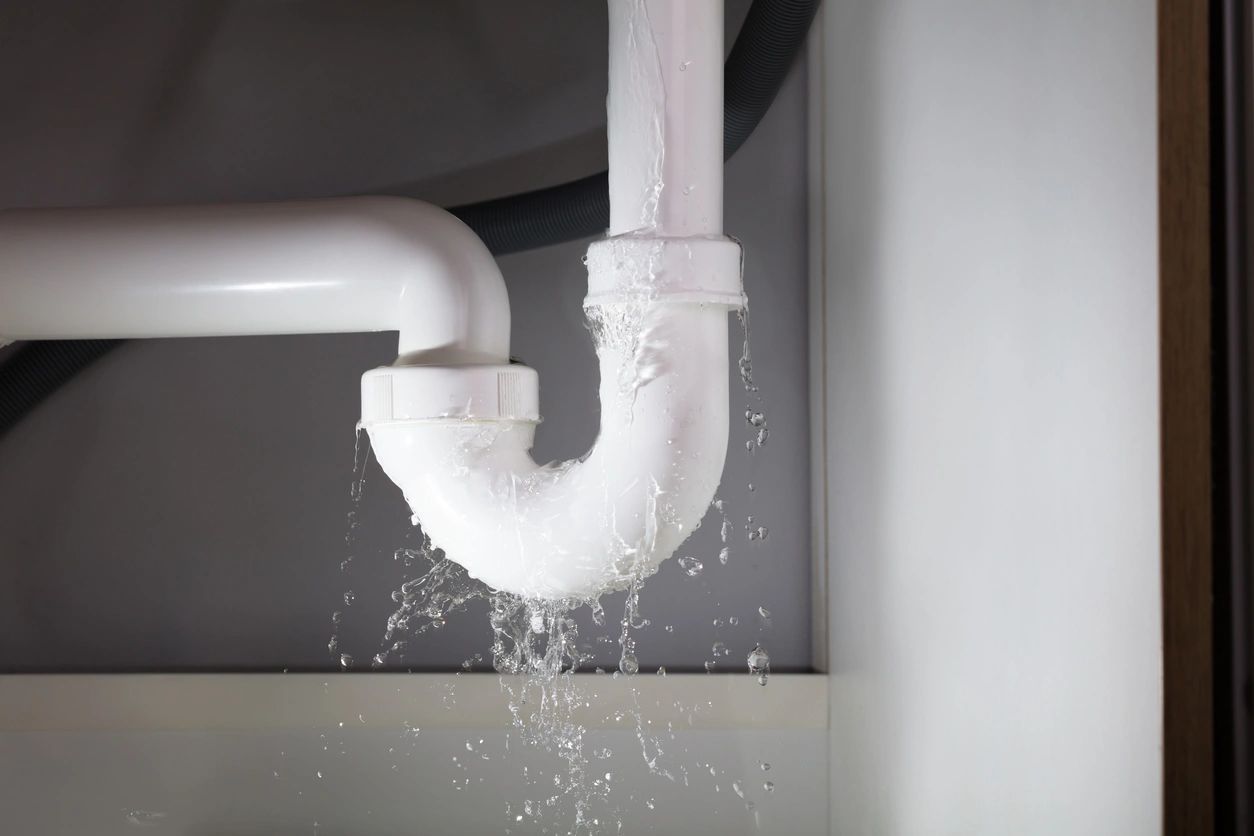


When homeowners plan a major bathroom renovation, the exciting decisions usually come first.
New tile.
A larger vanity.
A walk-in shower.
Modern faucets.
A freestanding bathtub.
Updated lighting.
Maybe an entirely different bathroom layout.
But before you start choosing finishes, there is another part of the renovation that deserves just as much attention:
the plumbing system behind everything you can see.
A beautiful bathroom still depends on properly planned water supply lines, drains, vents, shut-off valves, fixture connections, water pressure, and adequate hot-water capacity.
For homeowners in Nepean, Ottawa, Kanata, Manotick, and Rockcliffe, evaluating these components before demolition can help prevent unpleasant surprises once walls and floors are opened.
This becomes particularly important during a major renovation where fixtures are being moved, a bathtub is being converted into a shower, a double vanity is being added, or older plumbing is being exposed.
OttaWater provides bathroom plumbing, shower plumbing, drain services, water heater services, leak repairs, and residential plumbing throughout the Ottawa area.
Before your bathroom renovation begins, here are the plumbing issues worth addressing.
Step 1: Decide How Much of the Bathroom Is Actually Changing
Not every bathroom renovation requires the same plumbing work.
There is a major difference between:
Replacing fixtures in their existing locations
and
Redesigning the entire bathroom layout.
If your new toilet, vanity, bathtub, and shower remain approximately where the existing fixtures are located, the plumbing work may be more straightforward.
If you plan to move everything, the project may require substantial changes to:
- Water supply lines
- Drain lines
- Venting
- Fixture rough-ins
- Shut-off valves
Layout decisions should therefore happen early.
Moving Fixtures Changes More Than What You See
Moving a vanity may appear simple on a drawing.
But the new location needs appropriate:
- Hot water supply
- Cold water supply
- Drainage
- Venting
Moving a shower or bathtub involves similar considerations.
Moving a toilet can be particularly significant because the drainage requirements are different from those of a small sink.
That is why plumbing should be part of bathroom layout planning—not something addressed after the design is finalized.
Step 2: Have the Existing Plumbing Assessed
A major renovation gives you an unusual opportunity.
Parts of the plumbing system that are normally hidden may soon become accessible.
Take advantage of it.
Before or during demolition, the condition of accessible plumbing should be evaluated for problems such as:
- Corrosion
- Previous questionable repairs
- Active leakage
- Mineral buildup
- Deteriorated fittings
- Aging shut-off valves
- Drainage problems
Once new drywall, waterproofing, cabinetry, and tile are installed, access becomes much more difficult.
Renovation guidance consistently recommends assessing existing piping while walls are open rather than automatically concealing questionable plumbing behind new finishes.
Step 3: Fix Existing Leaks Before Renovating
Never build a new bathroom around an unresolved plumbing leak.
Look for signs such as:
- Water stains
- Damp drywall
- Swollen cabinetry
- Soft flooring
- Corroded fittings
- Mineral deposits
- Musty smells
- Unexplained moisture
Even a small leak can create significant problems once it is hidden behind expensive finishes.
If a fitting is already showing corrosion or moisture, investigate it before the wall is closed.
Step 4: Investigate Slow Drains Before Installing New Fixtures
Does the existing bathtub drain slowly?
Does the bathroom sink regularly clog?
Does the toilet occasionally gurgle?
Fix these issues before renovation.
A new bathtub does not clear a blockage farther down the drain.
A beautiful walk-in shower will not improve a restricted drainage line.
If the bathroom has a history of:
- Recurring clogs
- Slow drains
- Gurgling
- Sewer smells
- Water backing up
have the drainage system evaluated.
Professional bathroom drain cleaning in Nepean may be appropriate when buildup or an obstruction is already affecting performance.
Step 5: Pay Attention to Multiple Slow Drains
One slow bathroom sink may have a localized restriction.
But if you have:
- Slow bathroom sink
- Slow bathtub
- Gurgling toilet
- Slow kitchen sink
- Basement floor drain problems
the issue may extend beyond the bathroom.
That is especially important before renovation.
You do not want to invest heavily in a new bathroom while ignoring a larger drainage problem elsewhere in the home.
Step 6: Choose Major Fixtures Before Rough-In Plumbing
Do not assume every bathtub, toilet, vanity, or shower system connects exactly the same way.
Fixture selection can influence plumbing requirements.
This is especially true for:
- Freestanding tubs
- Wall-mounted faucets
- Double vanities
- Walk-in showers
- Specialty shower systems
- Different toilet designs
Selecting major fixtures early allows the plumbing rough-in to be planned around the actual products being installed rather than assumptions. Renovation plumbing guidance recommends confirming fixtures before rough-in because their required supply and drain positions can vary.
Step 7: Understand What Rough-In Plumbing Means
Rough-in plumbing is the hidden plumbing installed before the bathroom receives its finished surfaces.
It can include:
- Hot water supply lines
- Cold water supply lines
- Drain piping
- Vent piping
- Shower valve connections
- Toilet plumbing
- Vanity plumbing
This work needs to correspond with the final fixture layout.
Once walls and floors are finished, correcting an incorrectly positioned rough-in can become much more disruptive.
Step 8: Plan the Shower Before the Tile
A major shower renovation requires more than selecting attractive tile.
Plumbing questions include:
- Where will the drain be?
- Where will the shower valve be?
- What type of shower fixture is being installed?
- Will plumbing need to move?
- Can the existing water supply support the planned configuration?
- Is existing plumbing in good condition?
These decisions should be made before waterproofing and tile installation.
Converting a Bathtub Into a Walk-In Shower
Tub-to-shower conversions are popular bathroom upgrades.
But removing a bathtub and placing a shower in the same general area does not mean every plumbing connection will automatically remain unchanged.
The project may require modifications involving:
- Drain position
- Water supplies
- Shower valve
- Fixture locations
If you’re researching walk in shower installation in Nepean, have the plumbing requirements reviewed before ordering everything based solely on dimensions.
Step 9: Check Water Pressure Before Installing New Shower Fixtures
A new shower system cannot solve an existing whole-home pressure problem.
Before renovating, ask:
- Is shower pressure already weak?
- Does pressure fluctuate?
- Does water pressure drop when another fixture is used?
- Is pressure unusually strong throughout the house?
If there is an existing pressure issue, diagnose it before installing new shower equipment.
Otherwise, you may blame expensive new fixtures for a problem that existed before the renovation.
Pressure and Flow Are Not the Same Thing
Homeowners often describe every disappointing shower as “low pressure.”
The actual issue may involve:
- Fixture restrictions
- Water supply piping
- Valves
- Whole-home pressure
- Another plumbing condition
A plumber can help identify the difference before new equipment is selected.
Step 10: Evaluate Hot-Water Capacity
This is especially important when upgrading the bathroom significantly.
Imagine replacing a basic shower with a larger shower setup or adding a substantial bathtub.
Will your existing water heater comfortably support how the new bathroom will be used?
If the current hot water tank already:
- Runs out quickly
- Recovers slowly
- Performs inconsistently
a renovation may expose the limitation even more.
Consider the water-heating system during the planning stage rather than after the bathroom is finished.
A Bigger Bathtub Can Change Hot-Water Demand
A large bathtub can require substantially more hot water than the fixture it replaces.
That does not automatically mean the water heater needs replacement.
But capacity should be considered.
Ask:
- How large is the new tub?
- How frequently will it be used?
- How many people live in the home?
- Are showers and other hot-water fixtures used at the same time?
These questions can help determine whether the existing system remains appropriate.
Walk-In Showers Can Change Demand Too
Some walk-in showers use a relatively simple showerhead.
Others may be designed with more elaborate fixture configurations.
The bathroom design should therefore be considered alongside:
- Hot-water capacity
- Water pressure
- Supply piping
This is particularly important if the existing water heater is already struggling.
Step 11: Inspect the Water Heater Before the Renovation
Take a look at the existing water heater.
Watch for:
- Leakage
- Corrosion
- Mineral deposits
- Unusual noises
- Reduced hot-water performance
If the unit already needs attention, it may make sense to address the issue while planning the renovation.
OttaWater provides hot water tank repair and replacement in Nepean and Ottawa.
Step 12: Check Existing Shut-Off Valves
Shut-off valves may not be visually exciting, but they are extremely useful when something needs repair.
A valve that is:
- Corroded
- Seized
- Leaking
- Difficult to operate
should not automatically be hidden behind or beneath new finishes.
Accessible shutoffs make future maintenance easier because water can be isolated where appropriate instead of disrupting more of the plumbing system. Current Ontario plumbing provisions also require building-level water control valves, while renovation planning guidance emphasizes checking accessible fixture shutoffs while work is open.
Know Where Your Main Water Shut-Off Is
Before major plumbing work begins, homeowners should know where the main water control is located.
In an emergency, that knowledge can be extremely valuable.
Make sure:
- You know where it is
- It is accessible
- Household members know its general purpose
Do not wait for a major leak to start searching for it.
Step 13: Think About Future Plumbing Access
Not every serviceable plumbing component should become permanently inaccessible.
Bathroom design should account for future maintenance where necessary.
A renovation should not make routine plumbing service unnecessarily destructive.
Discuss access requirements with the professionals involved before:
- Tiling
- Installing cabinetry
- Closing walls
- Building custom surrounds
Good bathroom design considers future maintenance as well as appearance.
Step 14: Plan Drainage and Venting Together
A drain does more than carry wastewater away.
The broader drain-waste-vent system also needs appropriate venting so drainage can function properly and traps can perform their intended role.
If a fixture is being relocated, the project may involve more than extending a drain pipe across the room.
Drain and vent requirements should be considered together.
This is another reason fixture relocation should be planned before construction begins.
Step 15: Don’t Ignore Existing Gurgling
If the bathroom sink, bathtub, shower, or toilet currently gurgles, mention it before renovation.
Gurgling can be associated with:
- Drain restrictions
- Air movement problems
- Broader drainage issues
Installing new fixtures may hide the history but does not necessarily eliminate the underlying cause.
Solve unexplained drainage behaviour first.
Step 16: Check the Subfloor After Demolition
Once old fixtures and flooring are removed, inspect the exposed area.
Long-term plumbing leaks can damage materials beneath the finished floor without producing obvious symptoms beforehand.
Watch for:
- Discolouration
- Soft areas
- Swelling
- Moisture damage
Do not install new flooring or shower components over unresolved water damage.
Step 17: Look for Previous Plumbing Modifications
Bathroom demolition sometimes reveals a history of previous renovations.
You may discover:
- Abandoned pipes
- Old fittings
- Unusual connections
- Previous repairs
- Mixed plumbing materials
Do not automatically assume that because the previous bathroom worked, every hidden modification should remain.
Have questionable plumbing evaluated while access is available.
Step 18: Decide Whether Keeping Fixtures in Place Makes Sense
Relocating fixtures can transform the bathroom layout.
It can also increase plumbing complexity.
If your existing layout already functions well, keeping major plumbing locations relatively similar may simplify the renovation.
Moving a fixture can affect both water supply and drainage, while moving toilets, showers, and tubs can require considerably more plumbing work than replacing them in place.
This does not mean you should never move fixtures.
It simply means the decision should be made with an understanding of the plumbing involved.
Step 19: Coordinate the Plumber With Other Trades
Bathroom renovations often involve:
- Plumbing
- Electrical
- Carpentry
- Drywall
- Waterproofing
- Tile
- Cabinetry
These trades cannot operate independently.
For example, plumbing rough-ins need to be positioned before walls are closed.
Fixture specifications can affect framing.
Vanity design can affect where plumbing exits the wall.
A coordinated plan helps prevent one trade from undoing another trade’s work.
Step 20: Don’t Close Walls Until Hidden Plumbing Is Ready
This is one of the most important stages.
Once plumbing is hidden behind:
- Drywall
- Waterproofing
- Tile
- Cabinetry
correcting a problem becomes significantly more disruptive.
The renovation sequence generally places plumbing rough-in and required inspection before walls and floors are permanently closed.
Before finishes proceed, make sure the hidden plumbing work has reached the appropriate stage.
Step 21: Confirm Permit and Inspection Requirements
Major bathroom renovations can involve work subject to building and plumbing requirements.
Do not assume every renovation has identical permit requirements.
The scope matters.
Moving or adding plumbing can trigger different requirements from simply replacing an existing fixture in the same location.
Confirm applicable requirements for your specific Nepean/Ottawa project before construction.
Step 22: Test the Plumbing Before the Bathroom Is Finished
Once plumbing work is installed, leaks and drainage problems should be identified before everything becomes difficult to access.
The renovation process should include appropriate checks of:
- Water supply connections
- Drainage
- Fixture connections
- Valves
The objective is simple:
Find problems while they are still relatively easy to reach.
What If You Discover Corroded Plumbing During Demolition?
Do not panic.
Finding hidden deterioration during renovation is frustrating, but it is much better to discover it while the wall is already open than after new tile has been installed.
A plumber can assess whether:
- Only one fitting needs replacement
- A small section of pipe is affected
- A larger plumbing update should be considered
The decision should be based on actual condition rather than automatically replacing everything.
What If You Find a Hidden Leak?
Stop and address it.
Do not simply dry the area and continue building.
Determine:
- Where the water came from
- Whether plumbing needs repair
- Whether surrounding materials were damaged
A major bathroom renovation is too significant an investment to build over an unresolved moisture problem.
Should You Schedule Drain Cleaning Before a Bathroom Renovation?
Not automatically.
If every drain performs normally and there is no history of recurring clogs, preventative cleaning may not be necessary solely because you are renovating.
However, professional drain cleaning can be worthwhile when you already have:
- Slow drains
- Repeated clogs
- Gurgling
- Drain odours
- Backups
If you’re searching for bathroom drain cleaning near me, have the existing symptoms assessed rather than treating drain cleaning as a mandatory renovation add-on.
What Is the Average Cost to Unclog a Drain?
The cost varies depending on:
- Location of the restriction
- Severity
- Accessibility
- Equipment required
- Number of affected fixtures
A simple bathroom sink restriction is different from a deeper drainage problem affecting multiple fixtures.
That is why homeowners searching for drain cleaning near me cost should describe the full symptoms when requesting service.
Is Drain Cleaning Worth It Before Installing a New Shower?
If the existing shower or bathtub drain is already slow, yes, investigating the problem before installing the new fixture is worthwhile.
The cause may involve:
- Hair
- Soap buildup
- A deeper obstruction
- Another drainage problem
Installing a new shower over unresolved drainage problems does not make them disappear.
Planning Walk-In Shower Installation in Nepean
A walk-in shower can completely change how a bathroom feels.
But plumbing should be planned alongside the design.
Before installation, consider:
- Drain location
- Water supply
- Shower valve
- Water pressure
- Hot-water capacity
- Existing plumbing condition
If you’re researching walk in shower installation or shower installation near me, involve plumbing planning before tile and fixture choices become irreversible.
What Affects Shower Installation Cost in Ontario?
The shower installation cost in Ontario varies significantly according to project scope.
Factors can include:
- Existing plumbing condition
- Drain relocation
- Water supply modifications
- Shower valve installation
- Accessibility
- Fixture selection
- Layout changes
A direct replacement is very different from relocating a shower to the opposite side of the bathroom.
What About Shower Insert Installation?
A shower insert installation may appear simpler than a fully custom tiled shower, but the underlying plumbing still needs to align correctly.
Confirm:
- Drain position
- Water supplies
- Shower valve placement
- Available space
Do this before the insert is permanently installed.
Do Plumbers Install Shower Doors?
Plumbers generally handle the plumbing-related parts of the shower, such as:
- Water supply
- Shower valves
- Drain connections
- Plumbing fixtures
Depending on the renovation arrangement, shower doors may be installed by the plumber, general renovation contractor, or a specialized glass installer.
Confirm responsibilities before work begins so there is no confusion later.
What Should Be on Your Pre-Renovation Plumbing Checklist?
Before demolition begins, make sure you have considered:
- Existing pipe condition
- Existing leaks
- Drain performance
- Fixture locations
- New fixture specifications
- Water pressure
- Hot-water capacity
- Shut-off valves
- Drain and vent requirements
- Required access
- Permit and inspection requirements
- Coordination between trades
A little planning at this stage can prevent much more disruptive changes later.
When Does a Renovation Plumbing Problem Become an Emergency?
Most renovation plumbing work is scheduled.
However, demolition can occasionally reveal an active problem such as:
- Major leaking pipe
- Failed connection
- Uncontrolled water
- Significant wastewater backup
If a serious leak or backup is actively damaging the property, prompt plumbing service may be required.
Homeowners may search for emergency plumbing near me, 24 hour emergency plumbing near me, or an emergency plumber Ottawa when the problem cannot safely wait.
Don’t Ignore Problems Discovered During Demolition
Renovation schedules create pressure to keep moving.
But if demolition reveals:
- A leaking fitting
- Severely corroded pipe
- Damaged drain
- Moisture problem
- Questionable connection
do not hide it because repairing it may delay the project.
A short delay before finishes are installed is usually far preferable to opening a completed bathroom later.
Bathroom Plumbing Services in Nepean
OttaWater provides plumbing services throughout Nepean, Ottawa, Kanata, Manotick, and Rockcliffe.
Our services include:
- Bathroom renovation plumbing
- Plumbing rough-ins
- Shower plumbing
- Bathtub plumbing
- Vanity plumbing
- Toilet plumbing
- Water supply modifications
- Drain plumbing
- Professional drain cleaning
- Leak detection
- Pipe repair
- Shut-off valve replacement
- Water pressure diagnosis
- Hot water tank repair
- Hot water tank replacement
- Water heater plumbing
- Emergency plumbing
- Residential plumbing repairs
Whether you are refreshing an existing bathroom or completely redesigning the space, planning the plumbing before finishes are installed can make the entire renovation more predictable.
Build the New Bathroom Around Plumbing That Is Ready for the Future
The best bathroom renovations are not just beautiful on the surface.
They work properly behind the walls.
Before installing expensive tile, custom cabinetry, a new bathtub, or a walk-in shower, make sure the plumbing system is ready for the renovation.
Inspect existing pipes.
Resolve leaks.
Investigate slow drains.
Confirm fixture locations.
Plan the rough-ins.
Evaluate water pressure.
Consider hot-water demand.
Check shut-off valves.
And make sure questionable plumbing is addressed while it is still accessible.
Those steps may not be as exciting as selecting tile or faucets, but they can make an enormous difference once the renovation is complete.
If you’re planning a major bathroom renovation and need a dependable plumber in Nepean, OttaWater can help assess your existing plumbing, prepare the system for new fixtures, and address problems before they are hidden behind your finished bathroom.
Call: (613) 884-8355
Frequently Asked Questions
When should I involve a plumber in a bathroom renovation?
Ideally, involve a plumber during the planning stage—before the final layout and fixture locations are locked in. Plumbing requirements can influence where toilets, vanities, tubs, and showers can practically be installed.
Should I choose bathroom fixtures before plumbing rough-in?
Yes. Major fixtures should generally be selected before rough-in so the plumber can work from the actual installation requirements rather than assumptions.
Should old plumbing be replaced during a bathroom renovation?
Not automatically. However, if exposed plumbing is corroded, leaking, deteriorated, or otherwise problematic, renovation provides a valuable opportunity to address it before walls and floors are closed.
Should I clean slow drains before renovating the bathroom?
If the bathroom already has slow or recurring clogged drains, investigate the cause before installing new fixtures. A new shower, tub, or sink will not correct a deeper drain restriction.
Can I move my toilet during a bathroom renovation?
It may be possible, but moving a toilet can require substantial drainage changes. Have the plumbing implications assessed before finalizing the new layout.
Can I convert my bathtub into a walk-in shower?
Often, yes. However, the drain location, water supply, shower valve, fixture specifications, and existing plumbing condition should all be evaluated during planning.
Should I check my water heater before adding a larger bathtub?
Yes. A larger tub or changed shower setup can alter household hot-water demand. If your existing heater already struggles, evaluate its condition and capacity before completing the renovation.
What plumbing should be checked before walls are closed?
Accessible water supply piping, drains, venting, valves, fittings, and connections involved in the renovation should be at the appropriate completed and inspected stage before they become concealed.
Do I need a plumbing permit for a bathroom renovation in Nepean?
Permit and inspection requirements depend on the scope of the project. Moving, adding, or substantially altering plumbing can involve different requirements from a simple fixture replacement. Confirm the requirements for your specific Ottawa project before work begins.
When should I call OttaWater about my bathroom renovation?
Call during the planning stage if you are relocating fixtures, installing a new shower or bathtub, dealing with existing leaks or slow drains, changing water supplies, or want the plumbing assessed before demolition.