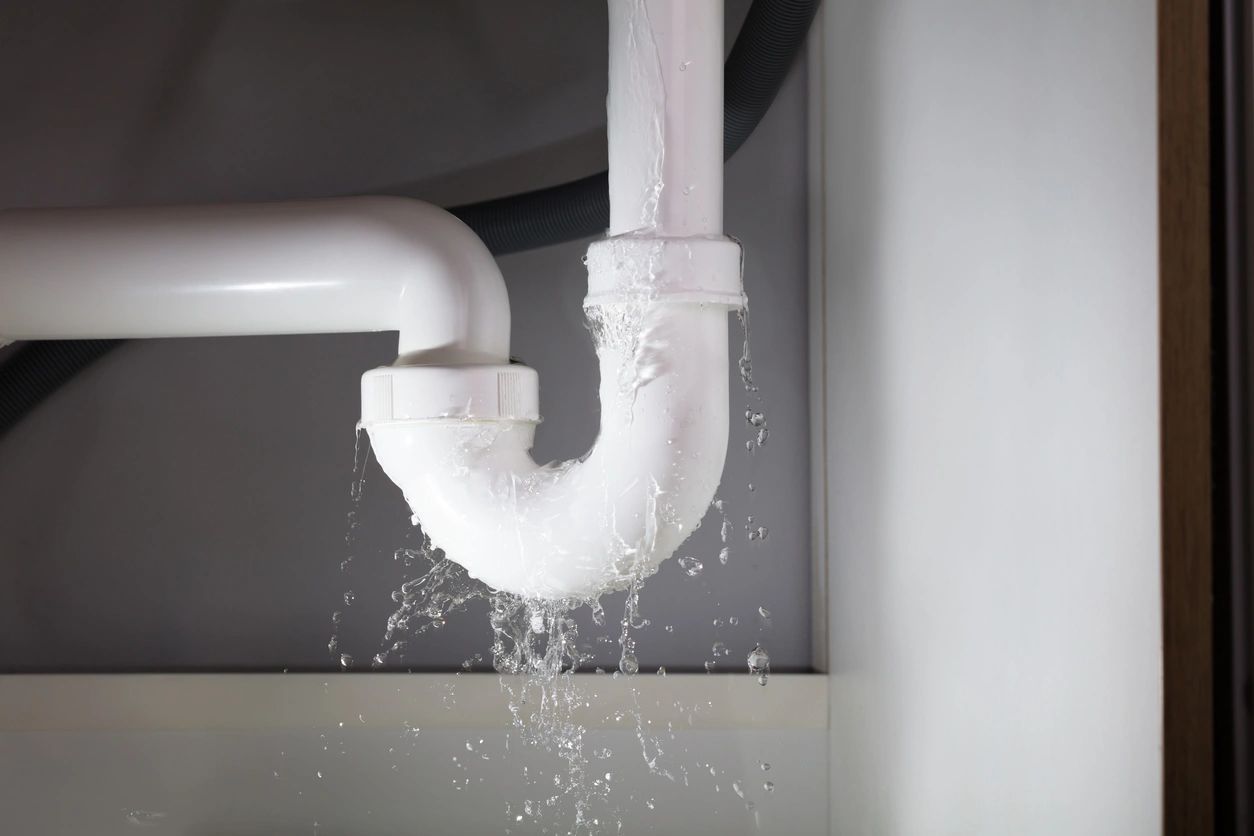


Your home’s plumbing system shouldn’t regularly announce itself.
When everything is working correctly, water should move through your pipes relatively quietly. So when you suddenly hear banging behind a wall, whistling when you turn on a faucet, or gurgling from a bathroom drain, it’s worth paying attention.
Some plumbing noises are caused by relatively minor issues. Others can be early warning signs of excessive water pressure, loose pipes, restricted water flow, drain blockages, venting problems, or developing plumbing failures.
For homeowners throughout Ottawa, Kanata, Nepean, Manotick, and Rockcliffe, identifying the cause early can make the difference between a straightforward repair and an unexpected plumbing emergency.
At OttaWater, we help homeowners diagnose unusual plumbing noises and determine what’s actually happening inside their systems. Rather than simply masking the sound, the goal is to identify and correct the underlying issue.
Here’s what different plumbing noises can mean and when it’s time to call a professional plumber in Ottawa.
Are Noisy Pipes Normal?
A plumbing system will naturally make some noise.
You may occasionally hear water moving through pipes when:
- A toilet is flushed
- A washing machine fills
- A dishwasher starts
- Someone turns on a shower
- A hot water tank is operating
The concern is usually a new, persistent, unusually loud, or worsening sound.
Pay particular attention if the noise is accompanied by:
- Low water pressure
- Slow drains
- Recurring clogs
- Leaks
- Water stains
- Unpleasant drain odours
- Changes in hot water performance
Those additional symptoms can provide valuable clues about the source of the problem.
Why Do Plumbing Pipes Make Banging Noises?
A sudden bang or thump when a faucet or appliance shuts off is commonly associated with water hammer.
Water moving through your plumbing system has momentum. If that flow stops suddenly, the change in pressure can create a shock through the piping.
You may hear a noticeable:
Bang.
Sometimes it’s a single sound. In other cases, pipes may shake or rattle briefly.
What Causes Water Hammer?
Water hammer can be associated with several conditions, including:
- Fast-closing valves
- Excessive water pressure
- Loose plumbing pipes
- Missing or ineffective water hammer arrestors
- Problems with plumbing components
Appliances with automatic valves, such as washing machines and dishwashers, can make the problem particularly noticeable because they stop water flow very quickly.
Should You Ignore Banging Pipes?
Persistent banging shouldn’t simply become part of the background noise in your home.
Repeated movement and pressure changes may place unnecessary stress on:
- Pipe joints
- Valves
- Fittings
- Supply connections
If your plumbing suddenly becomes much louder than before, having it evaluated can help determine whether the problem is pressure-related or mechanical.
Loose Pipes Can Also Cause Knocking Sounds
Not every banging sound is water hammer.
Pipes need to be properly supported. If a section becomes loose, water flowing through it can cause movement.
The pipe may then contact:
- Wall framing
- Floor joists
- Pipe supports
- Nearby building materials
This can produce knocking or rattling sounds whenever water is used.
The location of the sound doesn’t always reveal exactly where the loose section is located because vibrations can travel through framing and plumbing lines.
A professional inspection can help narrow down the source.
Why Do Pipes Whistle?
Whistling usually sounds very different from water hammer.
Instead of a sudden impact, you may hear a high-pitched sound while water is actively flowing.
This often means water is being forced through a restricted area somewhere in the system.
Possible causes include:
- Partially closed valves
- Mineral deposits
- Worn faucet components
- Restricted supply lines
- Pressure-related problems
The first question to ask is whether the sound occurs at one fixture or throughout the home.
Whistling From One Faucet
If only your kitchen faucet whistles, for example, the issue is likely close to that fixture.
Possible causes include:
- A restricted aerator
- Mineral deposits
- A worn valve
- Internal faucet components
The same principle applies to showers and other individual fixtures.
Whistling Throughout the House
If several fixtures whistle, the issue may be broader.
A professional Ottawa plumber may need to investigate:
- Water pressure
- Main shut-off components
- Pressure regulation
- Supply pipe restrictions
Whole-home symptoms shouldn’t be treated the same way as an isolated noisy faucet.
Why Do Drains Make Gurgling Noises?
Gurgling is particularly important because it often points toward the drainage side of your plumbing system.
Your drainage system relies on both proper water flow and air movement.
When something interferes with either, you may hear bubbling or gurgling as water travels through the drain.
Potential causes include:
- Partial drain blockages
- Accumulated debris
- Venting problems
- Deeper drainage restrictions
If your sink, shower, bathtub, or toilet has started gurgling regularly, don’t automatically assume the sound is harmless.
A Gurgling Drain May Be an Early Sign of a Clog
Drain blockages don’t always happen instantly.
They often develop gradually.
Inside a bathroom drain, buildup can include:
- Hair
- Soap residue
- Personal care products
- Mineral deposits
Kitchen drains can accumulate:
- Grease
- Oils
- Food debris
- Soap residue
As the available space inside the pipe narrows, drainage can become slower and noisier.
This is why homeowners searching for drain cleaning Ottawa, drain cleaning near me, or bathroom drain cleaning near me often report gurgling before the drain stops flowing completely.
Watch for Multiple Gurgling Fixtures
One noisy sink may indicate a localized problem.
Several fixtures reacting together deserve more attention.
For example, you might notice:
- A toilet gurgles when the shower drains
- A sink bubbles after another fixture is used
- Several drains become slow at the same time
These symptoms may suggest that the restriction isn’t limited to a single fixture.
That’s an important distinction because clearing one sink won’t solve a problem located farther down the drainage system.
Why Your Toilet May Gurgle
A toilet that bubbles or gurgles can be particularly concerning.
If it happens when another fixture drains, pressure or airflow within the drainage system may be changing.
You may also notice:
- Toilet water moving unexpectedly
- Slow flushing
- Recurring toilet clogs
- Nearby drains becoming sluggish
If multiple plumbing fixtures are affected, professional diagnosis should be arranged rather than repeatedly plunging individual drains.
Is a Gurgling Drain a Plumbing Emergency?
Not necessarily.
A single occasional sound without any other symptoms may not require emergency service.
The situation becomes more urgent if gurgling is accompanied by:
- Sewage backing up
- Multiple clogged fixtures
- Overflowing water
- Strong sewer odours
- Water entering the home
At that point, you’re no longer dealing with a strange sound. You may be dealing with a developing drainage emergency.
Is a Backed-Up Drain an Emergency?
This is an important question for Ottawa homeowners.
A backed-up drain can become a plumbing emergency when wastewater or sewage cannot leave the property properly.
Immediate assistance is especially important if:
- Sewage is entering the home
- Multiple drains have stopped working
- A toilet is overflowing
- Water is damaging flooring or walls
If you’re searching for emergency plumbing near me, 24 hour emergency plumbing near me, or an emergency plumber Ottawa, explain exactly what’s happening so the urgency can be assessed properly.
Professional Drain Cleaning Can Address the Cause
Repeatedly clearing the opening of a drain doesn’t necessarily remove buildup farther inside the plumbing.
Professional drain cleaning is designed to address the obstruction itself.
Depending on the situation, a plumber may evaluate:
- Which fixtures are affected
- How quickly water drains
- Whether the blockage keeps returning
- Whether a deeper inspection is necessary
The objective is to restore proper flow rather than simply create a temporary opening through the clog.
What Is the Average Cost to Unclog a Drain?
There isn’t one universal price for every clogged drain.
The cost depends heavily on what the plumber finds.
Important factors include:
- Location of the blockage
- Severity of the restriction
- Accessibility
- Equipment required
- Whether one or several drains are affected
- Whether the service is scheduled or urgent
A straightforward bathroom sink clog and a deeper drainage problem are fundamentally different jobs.
For an accurate drain cleaning near me cost, the plumbing issue needs to be properly assessed.
How Much Does It Cost to Clean Your Drain?
Professional drain cleaning costs also depend on the condition of the system.
A drain that receives preventative cleaning before it becomes fully blocked may require a different approach than one with a severe recurring obstruction.
That’s another reason not to wait until water stops draining entirely.
Early attention can often make the problem easier to diagnose and correct.
What Do Plumbers Recommend to Unclog Drains?
Prevention is usually the best strategy.
Homeowners can reduce unnecessary buildup by:
- Using bathroom drain strainers
- Keeping hair out of shower drains
- Avoiding grease and cooking oil in kitchen sinks
- Keeping inappropriate materials out of toilets
- Addressing slow drainage promptly
Be cautious about repeatedly pouring aggressive chemical cleaners into a drain without knowing what’s causing the problem.
A persistent or recurring blockage deserves proper diagnosis.
Is Professional Drain Cleaning Worth It?
For a drain that repeatedly clogs, professional cleaning can absolutely be worthwhile.
It can help:
- Restore drainage
- Remove accumulated material
- Reduce recurring blockages
- Reveal deeper plumbing concerns
- Lower the risk of an unexpected backup
It also gives homeowners an opportunity to understand why the drain keeps clogging rather than repeatedly treating the symptom.
Squealing or Screeching Plumbing Fixtures
Another noise homeowners sometimes encounter is a squeal when operating a faucet or shower.
This can result from water moving through a worn or restricted component.
Potential sources include:
- Faucet cartridges
- Washers
- Shower valves
- Restricted aerators
If the sound only occurs when one particular fixture operates, inspecting that fixture is a logical starting point.
Hissing Sounds Shouldn’t Be Overlooked
Hissing can have several possible sources.
For example, you might hear it from:
- A toilet
- A faucet
- A valve
- Plumbing inside a wall
A toilet that hisses continuously may have water moving through its fill system when it shouldn’t.
A sound inside a wall is more concerning, particularly when accompanied by:
- Moisture
- Water stains
- Higher water usage
- Reduced pressure
Unexplained sounds behind finished surfaces should be investigated rather than ignored.
Hot Water Pipes Can Make Different Noises
Sometimes homeowners only hear plumbing noises after using hot water.
Metal pipes naturally expand as they heat and contract as they cool. If piping is tightly positioned against framing or other materials, this movement may create ticking or clicking sounds.
However, noises coming directly from a hot water tank can have different causes.
If your water heater suddenly becomes louder or performs differently, it may need inspection.
OttaWater provides:
- Hot water tank repair
- Hot water tank replacement
- Water heater plumbing services
Changes in sound combined with inconsistent hot water, visible corrosion, or moisture around the tank should receive attention.
Why Is My Hot Water Tank Making Popping or Rumbling Sounds?
Storage water heaters can accumulate sediment over time.
As the unit heats water, this buildup can contribute to unusual sounds.
You might notice:
- Popping
- Rumbling
- Crackling
The appropriate solution depends on the condition, age, and type of water heater.
Don’t automatically assume that every noisy tank needs replacement. A professional assessment can determine whether maintenance, repair, or replacement makes the most sense.
Plumbing Noises During a Bathroom Renovation
If you’re already planning a bathroom upgrade, existing plumbing noises are worth investigating before new finishes are installed.
This is especially important when considering:
- Shower installation near me
- Walk in shower installation
- Shower insert installation
- Bathroom installation
A renovation provides an excellent opportunity to evaluate supply lines, drains, valves, and water pressure before walls and flooring are completed.
Water Pressure Matters for Modern Showers
Modern shower systems may place different demands on plumbing than older fixtures.
Before installing a new shower, a plumber may need to evaluate:
- Available pressure
- Supply line condition
- Drain capacity
- Existing valves
- Hot water availability
This is particularly important for larger walk-in showers or systems with multiple water outlets.
The shower installation cost in Ontario can therefore vary significantly depending on how much plumbing work is required behind the finished surfaces.
Do Plumbers Install Shower Doors?
The scope of shower projects varies.
Plumbers typically handle the plumbing-related portions of a shower installation, including water supplies, valves, drains, and fixture connections. Shower door installation may be completed by the plumber, renovation contractor, or specialized glass installer depending on the project.
Confirming responsibilities before work begins helps keep the renovation organized.
When Plumbing Noises Signal an Emergency
Not every bang, whistle, or gurgle requires an emergency call.
However, noise combined with other serious symptoms can change the situation quickly.
Seek prompt professional assistance if you experience:
- A sudden major loss of water pressure
- Water actively leaking through walls or ceilings
- A burst pipe
- Sewage backing up
- Multiple drains failing simultaneously
- Significant flooding
In these situations, limiting water damage becomes the priority.
What Is a Plumbing Emergency?
A plumbing emergency is generally a situation where waiting could result in significant property damage, sanitation concerns, or loss of an essential plumbing service.
Examples can include:
- Burst water lines
- Severe active leaks
- Sewage backups
- Overflowing fixtures that cannot be controlled
- Major drainage failures
A strange noise by itself may not be an emergency, but the symptoms accompanying it can be.
How Much Would a Plumber Charge for 3 Hours?
The cost of three hours of plumbing work depends on the type of service rather than time alone.
Pricing can be affected by:
- Diagnostic requirements
- Type of repair
- Materials
- Specialized equipment
- Accessibility
- Scheduled versus emergency service
For that reason, homeowners should be cautious about comparing plumbing projects solely by an hourly estimate.
Diagnosing the problem accurately is often the most important first step.
Don’t Let a Strange Noise Become a Major Plumbing Repair
Plumbing systems often provide warning signs before something fails completely.
A new banging sound may point toward pressure or pipe movement.
A persistent whistle may indicate restricted water flow or a fixture problem.
A gurgling drain may be warning you about a developing blockage.
The key is noticing changes.
If your plumbing suddenly sounds different, don’t wait for water to appear on the floor before investigating.
Plumbing Services for Ottawa Homes
OttaWater provides plumbing solutions for homeowners throughout Ottawa and surrounding communities, including Kanata, Nepean, Manotick, and Rockcliffe.
Our services include:
- Residential plumbing
- Emergency plumbing
- Drain cleaning
- Plumbing diagnostics
- Leak repairs
- Hot water tank repair
- Hot water tank replacement
- Bathroom plumbing
- Walk-in shower plumbing
- Preventative plumbing maintenance
Whether you’re dealing with a noisy pipe or a larger plumbing concern, identifying the actual cause is the first step toward a lasting repair.
Hear Banging, Whistling, or Gurgling? Have It Checked
Your plumbing doesn’t need to be completely broken before you call a plumber.
In many cases, unusual sounds are the system’s first indication that something has changed.
Catching a pressure issue, loose pipe, developing drain clog, or failing component early can help prevent a much more disruptive problem later.
If you’re looking for a plumber in Ottawa to investigate unusual plumbing noises, contact OttaWater.
Call: (613) 884-8355
Frequently Asked Questions
Why do my pipes bang when I turn the water off?
A sudden banging sound can be associated with water hammer, loose pipes, excessive pressure, or rapidly closing valves. Persistent banging should be inspected to determine the exact cause.
Why is my bathroom drain making a gurgling sound?
Gurgling may indicate a partial blockage or an issue affecting airflow within the drainage system. If the drain is also slow or other fixtures are affected, professional evaluation is recommended.
Why does my plumbing whistle when I use water?
Whistling may result from restricted water flow, mineral buildup, partially closed valves, worn fixture components, or pressure-related issues.
Is a backed-up drain an emergency?
It can be. A backup involving sewage, overflowing water, multiple fixtures, or active property damage should receive immediate attention.
What is the average cost to unclog a drain?
Costs vary based on the blockage’s location, severity, accessibility, and the equipment required. A professional assessment is the best way to determine the appropriate service and price.
How much does it cost to clean your drain?
Professional drain cleaning pricing depends on the type of drain, condition of the plumbing, severity of buildup, and whether additional diagnostic work is needed.
What do plumbers recommend to unclog drains?
For recurring or significant clogs, professional diagnosis and cleaning are recommended. Homeowners can help prevent future problems by using drain strainers, keeping grease out of sinks, and addressing slow drainage early.
Is drain cleaning worth it?
Yes, particularly when drains repeatedly clog or drain slowly. Professional cleaning can restore flow and help reduce the likelihood of more serious backups.
Should I call an emergency plumber for noisy pipes?
Noise alone isn’t always an emergency. However, if it’s accompanied by flooding, a burst pipe, sewage backup, major pressure loss, or an active leak, seek prompt professional assistance.