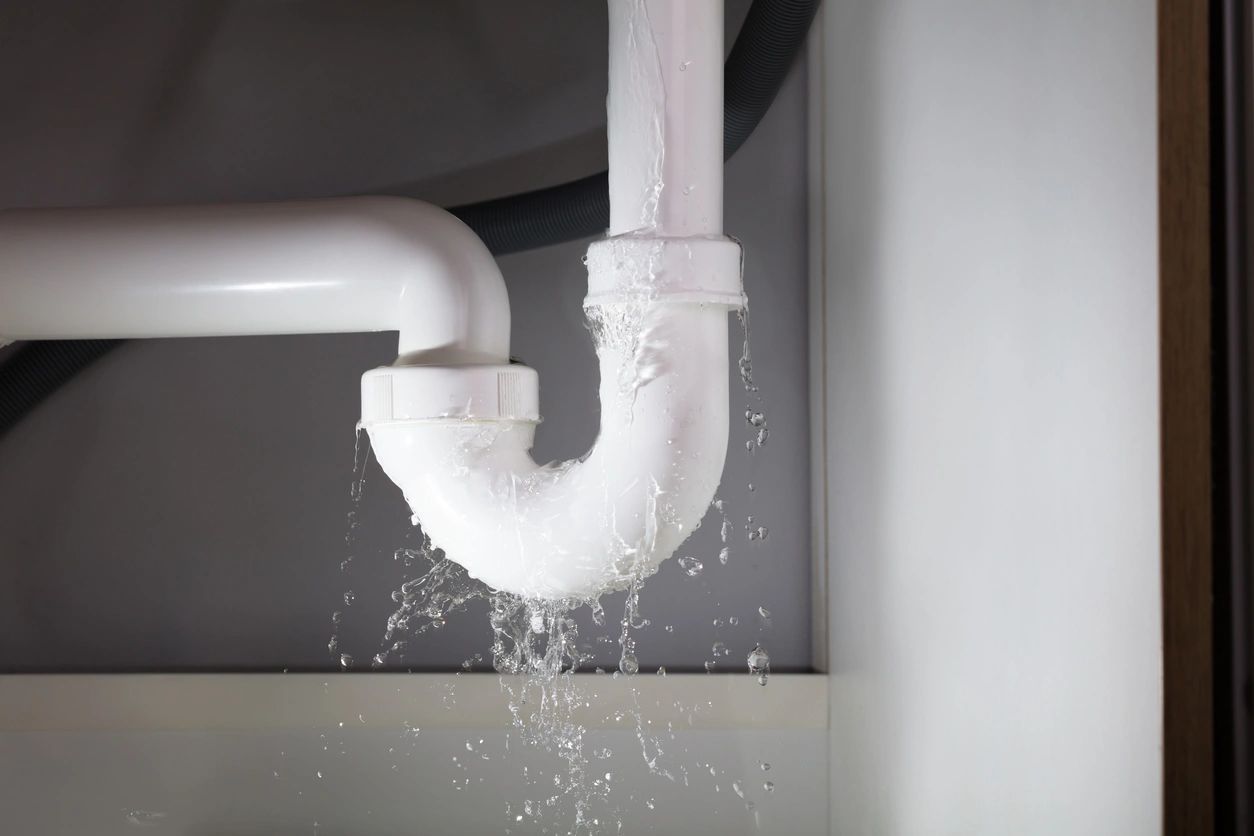


Water pressure is one of those parts of your plumbing system that you probably don’t think about when everything is working normally.
You turn on the kitchen faucet and get a comfortable stream.
The shower has enough pressure.
The toilet refills normally.
Then something changes.
Maybe the shower suddenly feels much stronger than it used to. Perhaps every faucet has become noticeably weaker. You might notice pressure surging when a tap is first opened, pipes banging when fixtures shut off, or different water pressure from one day to another.
When the change affects fixtures throughout the house, one component worth investigating is the water pressure regulator, also known as a pressure-reducing valve or PRV.
For homeowners in Kanata, Ottawa, Nepean, Manotick, and Rockcliffe, a pressure regulator can play an important role in controlling the pressure entering the home’s plumbing system.
When it stops regulating properly, the symptoms can appear throughout the property.
At OttaWater, we provide residential plumbing services, pressure-related plumbing diagnosis, leak repairs, water heater services, drain cleaning, and emergency plumbing throughout the Ottawa area.
Here’s how to recognize signs that your home’s water pressure regulator may need professional attention or replacement.
What Is a Water Pressure Regulator?
A water pressure regulator is a plumbing valve designed to reduce higher incoming water pressure to a more appropriate pressure for the home’s plumbing system.
It is generally associated with the main water supply entering the property.
Inside the regulator are components that respond to water pressure and help control the downstream pressure supplied to household fixtures.
You normally don’t interact with it.
It simply operates in the background.
Until it doesn’t.
Why Does Water Pressure Need to Be Controlled?
You might assume stronger water pressure is always better.
It isn’t.
Excessive pressure can place additional stress on plumbing components such as:
- Faucets
- Toilet fill valves
- Appliance connections
- Pipe joints
- Water heater components
- Other fixtures and valves
At the opposite extreme, pressure that is too low can make everyday plumbing frustrating.
A properly functioning regulator helps maintain more consistent household pressure.
Sign #1: Water Pressure Suddenly Becomes Too High
One of the most noticeable warning signs is water that suddenly seems unusually forceful throughout the house.
You may notice:
- Faucets blasting water
- Shower pressure becoming uncomfortable
- Water splashing excessively from sinks
- Fixtures sounding louder than normal
If this change affects several fixtures rather than one faucet, the regulator deserves consideration.
A pressure regulator that is no longer controlling incoming pressure properly may allow excessive pressure into the home’s plumbing. High pressure can contribute to fixture wear, leaks, water hammer, and problems with water-using equipment.
Sign #2: Pressure Becomes Weak Throughout the House
A regulator problem doesn’t always produce excessive pressure.
It can also contribute to pressure that is too low.
Suppose your:
- Kitchen faucet
- Bathroom faucets
- Showers
- Other fixtures
all become noticeably weaker.
That pattern is different from one clogged faucet aerator.
When the entire home is affected, the issue may be located farther upstream in the water supply system.
A pressure regulator that is restricting flow excessively is one possibility that a plumber can investigate.
One Weak Faucet Probably Isn’t the Pressure Regulator
This distinction is important.
If the kitchen faucet is weak but:
- Shower pressure is normal
- Bathroom faucets are normal
- Other fixtures are normal
the pressure regulator is less likely to be the cause.
A localized problem may involve:
- Faucet aerator
- Cartridge
- Shut-off valve
- Supply connection
Pressure regulator problems generally become more suspicious when symptoms appear across multiple fixtures.
Sign #3: Your Pressure Constantly Fluctuates
Perhaps the water pressure isn’t consistently high or low.
Instead, it changes.
One moment the shower feels normal.
Then it becomes weak.
Later, the faucet opens with a sudden burst.
Inconsistent pressure throughout the house can be associated with a regulator that is no longer controlling pressure steadily. Pressure fluctuations are among the recognized signs that a PRV may be failing, although other plumbing conditions can create similar symptoms.
That is why actual testing matters before replacing anything.
Sign #4: You Get a Strong Burst When Opening a Faucet
Pay attention to what happens during the first few seconds after opening a faucet.
Does the water initially blast out much harder than normal before settling down?
Repeated pressure surges can be another reason to have the system evaluated.
The regulator is supposed to help control pressure on the household side of the plumbing system.
If it can no longer maintain consistent downstream pressure, unusual bursts may become noticeable.
Sign #5: Pipes Start Banging
You turn off a faucet and hear:
BANG.
Or perhaps you hear knocking somewhere behind the wall when an appliance stops filling.
This type of plumbing noise is commonly described as water hammer.
Several plumbing conditions can contribute to banging pipes, so the noise does not automatically mean the regulator has failed.
However, new water hammer combined with unusually high or unstable pressure makes pressure regulation an important part of the investigation.
Sign #6: Faucets Start Dripping More Frequently
A dripping faucet usually has a fixture-specific cause.
But if several plumbing fixtures begin developing leaks or wear around the same period, excessive pressure may be contributing.
Higher-than-appropriate pressure can place additional stress on:
- Faucet seals
- Cartridges
- Valves
- Connections
Replacing a faucet component may stop the immediate drip.
But if excessive household pressure is contributing to repeated fixture problems, the underlying pressure issue should also be addressed.
Sign #7: Toilets Develop Repeated Problems
Your toilet’s fill system depends on the home’s water supply.
If household pressure is excessive or unstable, you may begin noticing unusual behaviour from toilet components.
This doesn’t mean every running toilet is caused by a pressure regulator.
Most toilet problems are still diagnosed at the fixture itself.
But when multiple plumbing fixtures are suddenly behaving differently, it becomes important to look beyond each individual fixture.
Sign #8: Your Water Heater Shows Pressure-Related Symptoms
The water heater is another part of the plumbing system that can reveal pressure problems.
If you notice unusual water discharge from a water heater relief valve, do not simply assume the relief valve itself is the only issue.
High pressure and thermal expansion are among the conditions that may need to be considered. Relief-valve discharge is also recognized as a potential symptom when a pressure regulator is not controlling pressure properly.
A professional plumber can evaluate the broader system rather than replacing parts without identifying the cause.
Sign #9: The Regulator Itself Is Leaking
Depending on your home’s plumbing configuration, you may be able to see the pressure regulator near the incoming water supply.
If there is:
- Dripping
- Moisture
- Mineral buildup
- Corrosion around the valve
have it inspected.
Water leaking from the regulator body can indicate that seals or other components are deteriorating.
Do not ignore moisture simply because the valve still appears to be controlling pressure.
Sign #10: The Regulator Makes Unusual Noise
A pressure regulator normally shouldn’t become one of the loudest components in your plumbing system.
Unusual:
- Humming
- Buzzing
- Chattering
- Vibration
near the regulator or incoming water line can indicate that something isn’t operating normally.
A plumber can determine whether the noise is actually coming from the regulator or from another nearby plumbing component.
How Do You Know Whether the Pressure Is Actually Too High or Too Low?
This is where measurement becomes important.
How water pressure feels is useful information, but it isn’t precise.
A plumber can measure the system and evaluate how pressure behaves under different conditions.
This can help answer questions such as:
- Is static pressure excessive?
- Is pressure consistently low?
- Does it drop significantly during water use?
- Does pressure climb when fixtures are closed?
- Does it fluctuate unexpectedly?
A pressure gauge can be used to obtain an actual reading rather than relying only on how strong the shower feels.
Why One Pressure Reading May Not Tell the Whole Story
A regulator can sometimes behave inconsistently.
A reading at one moment may appear reasonable.
But what happens:
- When several fixtures operate?
- After everything is turned off?
- At different times?
Professional diagnosis may involve looking at the pattern rather than relying on one isolated observation.
This is particularly useful when homeowners report fluctuating pressure.
Could the Problem Be Something Other Than the Regulator?
Absolutely.
This is one of the most important points.
Low, high, or inconsistent water pressure can have several possible causes.
Depending on the symptoms, a plumber may need to consider:
- Partially closed valves
- Fixture restrictions
- Supply-line problems
- Hidden leaks
- Aging plumbing
- Water heater-related issues
- Pressure regulator problems
Replacing the regulator without confirming that it is responsible may not solve the issue.
Check Whether Hot and Cold Water Behave Differently
Test both sides.
If cold water pressure is strong throughout the home but hot water pressure is weak, the pressure regulator may not be the first place to look.
The issue may instead involve:
- Water heater connections
- Hot water piping
- Valves
- Another restriction on the hot side
If both hot and cold water are affected throughout the house, the incoming supply side deserves greater attention.
Could a Hidden Leak Cause Low Pressure?
Yes, depending on the size and location of the leak.
Look for other warning signs such as:
- Damp drywall
- Ceiling stains
- Wet flooring
- Water inside cabinets
- Unexplained water usage
- Sounds of running water
Low pressure combined with evidence of a leak should be investigated promptly.
OttaWater provides leak detection and residential plumbing repair throughout Kanata and surrounding Ottawa communities.
What If the Pressure Changed After Plumbing Work?
Timing can provide valuable clues.
If water pressure changed immediately after:
- Plumbing repair
- Fixture replacement
- Renovation
- Water heater work
- Valve operation
tell your plumber.
A valve may have been left partially closed, or another change may have affected flow.
Don’t automatically assume the regulator happened to fail at the exact same time.
Should You Adjust the Pressure Regulator Yourself?
Some pressure regulators are adjustable.
That doesn’t mean adjustment is always the correct solution.
If the regulator is functioning properly but simply needs an appropriate setting, adjustment may be possible.
If internal components have deteriorated and the valve can no longer maintain pressure, adjustment may not solve the underlying problem.
Government and utility guidance also recommends caution around PRV adjustment and notes that replacement may be necessary when the valve has failed.
If you aren’t familiar with the system, having a plumber test it before making changes is the safer approach.
Adjustment vs. Replacement
These are not the same thing.
Adjustment May Be Appropriate When:
- The regulator is still functioning
- Pressure remains stable after adjustment
- There are no obvious signs of valve failure
Replacement May Be More Appropriate When:
- Pressure cannot be maintained consistently
- The valve no longer responds properly
- The regulator leaks
- Pressure repeatedly becomes too high or low
- Internal components have failed
A professional assessment helps determine which approach makes sense.
Don’t Replace a Regulator Based Only on Age
Like many plumbing components, pressure regulators can eventually wear out.
But age should not be the only reason for replacement.
Condition and performance matter more.
If a regulator is controlling pressure correctly and shows no evidence of failure, replacing it solely because of an arbitrary age may not be necessary.
Conversely, a newer valve that cannot regulate pressure properly may need attention sooner.
Why Excessive Pressure Can Cost You More Than a Regulator
High pressure can create stress throughout the plumbing system.
That means the consequences may show up somewhere other than the regulator itself.
Possible issues can include:
- Dripping faucets
- Valve wear
- Appliance connection problems
- Pipe noise
- Leaks
A functioning pressure regulator protects more than shower comfort.
It helps control the conditions experienced by the plumbing throughout the home.
Can High Pressure Increase Water Consumption?
It can.
When more water flows through fixtures than necessary, household consumption may increase.
This makes unexplained changes in water usage another reason to consider the overall condition of the plumbing system.
However, a rising water bill can also indicate:
- Running toilets
- Dripping faucets
- Hidden leaks
Those possibilities should be investigated rather than assuming pressure is responsible.
Pressure Problems and Bathroom Renovations
Water pressure becomes particularly important when planning a bathroom renovation.
Suppose you’re considering:
- Walk in shower installation
- Shower installation near me
- Bathroom installation
- New shower fixtures
Installing beautiful new fixtures without addressing an existing pressure problem can lead to disappointing performance.
If pressure throughout the house is already unstable, have it evaluated before completing the renovation.
Low Pressure Can Make a New Shower Feel Disappointing
A premium showerhead cannot compensate for a larger water-supply restriction.
If several household fixtures already have weak flow, investigate the cause before assuming a new shower fixture will solve it.
The problem may be:
- Local to the shower
- Related to the water heater
- Associated with supply piping
- Related to the pressure regulator
Proper diagnosis should come before fixture replacement.
Excessive Pressure Isn’t Better for a New Shower Either
Homeowners sometimes think very strong pressure will improve a shower.
But plumbing fixtures are designed to operate within appropriate conditions.
Excessive pressure can place unnecessary stress on valves, seals, and other components.
A bathroom renovation is a good opportunity to make sure the underlying plumbing is working properly before new finishes conceal it.
What Affects Shower Installation Cost in Ontario?
The shower installation cost in Ontario varies depending on the project.
Plumbing-related factors can include:
- Existing supply lines
- Drain location
- Pipe condition
- Shower valve installation
- Required plumbing modifications
- Accessibility
If pressure problems need to be diagnosed or corrected as part of the renovation, that may become a separate component of the overall plumbing work.
Do Plumbers Install Shower Doors?
Plumbers generally handle the water supply, shower valves, drains, and fixture connections.
Depending on the project, shower doors may be installed by the plumber, renovation contractor, or specialized glass installer.
Confirm responsibilities before work begins.
Water Pressure Problems Are Different From Drainage Problems
This distinction is important.
Water pressure relates primarily to water entering your fixtures.
Drainage relates to wastewater leaving them.
A shower can simultaneously have:
- Weak incoming water pressure
- A slow drain
Those are two different symptoms.
OttaWater provides both water-supply plumbing services and professional drain cleaning in Kanata and Ottawa, but each problem needs its own diagnosis.
When Does a Slow Drain Need Professional Attention?
Look for:
- Recurring clogs
- Several slow drains
- Gurgling
- Sewer odours
- Water backing up
These symptoms indicate a drainage issue rather than a pressure regulator problem.
If several drains are slow simultaneously, a larger shared drainage restriction may need investigation.
Is Drain Cleaning Worth It?
Professional drain cleaning can be worthwhile when an actual obstruction or accumulated material is affecting wastewater flow.
It can help:
- Restore drainage
- Remove buildup
- Reduce recurring clogs
- Improve drain performance
It will not correct excessive or weak incoming water pressure caused by a pressure regulator.
Keeping these two systems separate in your diagnosis can save time and unnecessary work.
What Is the Average Cost to Unclog a Drain?
The cost depends on:
- Location of the blockage
- Severity
- Accessibility
- Equipment required
- Number of affected fixtures
Homeowners searching for drain cleaning near me cost should remember that a local sink clog and a deeper drainage restriction require different work.
Could Pressure Problems Damage the Water Heater?
Water heaters are connected to the home’s pressurized plumbing system, which means pressure-related issues can affect how the broader system behaves.
If you’re noticing pressure problems along with:
- Water heater leakage
- Relief-valve discharge
- Unusual hot water performance
- Other water heater concerns
have the system evaluated.
OttaWater provides:
- Hot water tank repair
- Hot water tank replacement
- Water heater plumbing
- Tankless water heater services
When Is a Water Pressure Problem an Emergency?
High or low pressure alone does not always require emergency plumbing service.
The situation becomes more urgent when it is accompanied by:
- Burst pipes
- Major active leakage
- Rapidly spreading water
- A failed plumbing connection
- Significant property damage
In those situations, homeowners may search for emergency plumbing near me, 24 hour emergency plumbing near me, or an emergency plumber Ottawa.
Prompt action is appropriate when water cannot be safely controlled.
A Simple Whole-Home Pressure Check
If your water pressure seems different, gather some information before calling a plumber.
Step 1: Test Several Faucets
Determine whether one fixture or the whole house is affected.
Step 2: Compare Hot and Cold
See whether both sides behave similarly.
Step 3: Test Different Floors
Check upstairs and downstairs fixtures.
Step 4: Listen
Notice banging, humming, or unusual pipe noise.
Step 5: Look for Leaks
Check under sinks, around toilets, near accessible pipes, and around the water heater.
Step 6: Think About Timing
Did the problem begin suddenly or gradually?
Step 7: Note Fluctuations
Does pressure change dramatically during the day or when another fixture is used?
These observations can make professional diagnosis more efficient.
When Should You Call a Plumber About Your Pressure Regulator?
Arrange professional service when:
- Water pressure suddenly changes throughout the home
- Pressure becomes excessively strong
- All fixtures become unusually weak
- Pressure fluctuates repeatedly
- Pipes begin banging
- Several fixtures develop leaks
- The regulator itself leaks
- You hear unusual noise near the regulator
- Pressure cannot be maintained consistently
- You suspect the regulator is no longer functioning properly
The goal should be to test before replacing.
Why Testing First Can Save You Money
Pressure problems can be deceptive.
Imagine replacing the regulator only to discover that the actual problem was a partially closed valve.
Or replacing shower fixtures when a whole-home pressure issue was responsible.
Or blaming the regulator for low hot water flow when the restriction was actually on the water heater side.
A systematic diagnosis helps avoid unnecessary repairs.
Plumbing Services for Kanata Homeowners
OttaWater provides professional plumbing services throughout Kanata, Ottawa, Nepean, Manotick, and Rockcliffe.
Services include:
- Water pressure diagnosis
- Pressure regulator inspection
- Pressure regulator replacement
- Residential plumbing repairs
- Leak detection
- Pipe repair
- Faucet and fixture plumbing
- Toilet plumbing
- Bathroom plumbing
- Shower plumbing
- Hot water tank repair
- Hot water tank replacement
- Water heater plumbing
- Professional drain cleaning
- Emergency plumbing
- Plumbing inspections
Whether your pressure has become too weak, unusually strong, or unpredictable, identifying the cause should come before replacing plumbing components.
Don’t Ignore a Whole-Home Change in Water Pressure
A weak bathroom faucet might have a clogged aerator.
A weak shower might have a fixture-specific problem.
But when every fixture in the house suddenly behaves differently, it is time to look at the bigger picture.
The same applies to unusually high pressure.
If faucets suddenly blast water, pipes start banging, plumbing fixtures begin leaking, or pressure constantly fluctuates, your home’s pressure regulation deserves attention.
A failing pressure regulator can affect much more than shower comfort. It can change the conditions experienced by fixtures and plumbing components throughout the house.
If you’re searching for a dependable plumber in Kanata to diagnose unusual water pressure or determine whether your pressure regulator needs adjustment or replacement, OttaWater can help.
Call: (613) 884-8355
Frequently Asked Questions
What does a water pressure regulator do?
A pressure regulator, or pressure-reducing valve, reduces higher incoming water pressure and helps maintain more appropriate pressure within the home’s plumbing system.
What are the signs of a bad water pressure regulator?
Possible signs include whole-home high or low pressure, repeated pressure fluctuations, banging pipes, unusual pressure surges, leaks around the regulator, and problems appearing across several fixtures.
Can a bad pressure regulator cause low water pressure?
Yes. A malfunctioning regulator may restrict flow excessively and contribute to low pressure throughout the house. However, other plumbing problems can cause the same symptom, so testing is important.
Can a failing pressure regulator cause high water pressure?
Yes. If the regulator can no longer properly reduce incoming pressure, household pressure may become excessive.
Why does my water pressure start strong and then change?
Pressure surges or fluctuations can have several causes, including regulator problems. A pressure test can help determine whether the regulator is maintaining consistent downstream pressure.
Does banging in my pipes mean the pressure regulator is bad?
Not necessarily. Water hammer has multiple possible causes. However, new banging combined with unusually high or unstable pressure is a good reason to have the plumbing system evaluated.
Should I adjust my pressure regulator or replace it?
That depends on its condition. A functioning regulator may only require adjustment, while one that leaks, cannot maintain pressure, or has failed internally may require replacement.
Can high water pressure damage plumbing fixtures?
Excessive pressure can place additional stress on faucets, valves, appliance connections, pipes, and water-heating equipment, which is why household pressure should be properly controlled.
Is a water pressure regulator problem an emergency?
Not always. It becomes more urgent when pressure problems are accompanied by burst pipes, major active leaks, or water damage that cannot be controlled.
When should I call a plumber about water pressure?
Call when pressure suddenly changes throughout the house, becomes consistently too strong or weak, fluctuates significantly, or is accompanied by banging pipes, repeated leaks, or other unusual plumbing behaviour.