

Few household plumbing problems get your attention as quickly as an unexplained sewer smell.
You might first notice it when walking into the bathroom in the morning. Perhaps it appears around the kitchen sink, basement floor drain, laundry area, or near a toilet. Sometimes the smell disappears for several hours and then returns.
Opening a window or using an air freshener may temporarily hide the odour, but it doesn’t answer the important question:
Where is the smell coming from?
For homeowners in Kanata, Ottawa, Nepean, Manotick, and Rockcliffe, sewer-like odours can have several possible plumbing causes. Some are relatively simple, such as a dry drain trap in a rarely used fixture. Others may involve drain buildup, toilet seals, plumbing vents, or a larger drainage problem.
If you’re searching for a plumber in Kanata because your home suddenly smells like sewage, identifying where and when the odour appears can provide important clues.
OttaWater provides residential plumbing, professional drain cleaning, and emergency plumbing services throughout the Ottawa area.
Here’s what homeowners should know about sewer smells and when professional plumbing attention is appropriate.
Why Doesn’t Sewer Gas Normally Enter Your Home?
Your plumbing system doesn’t only carry water.
Drainage pipes carry wastewater away from sinks, showers, toilets, tubs, and appliances. Plumbing systems are designed with features that help separate living spaces from the drainage system.
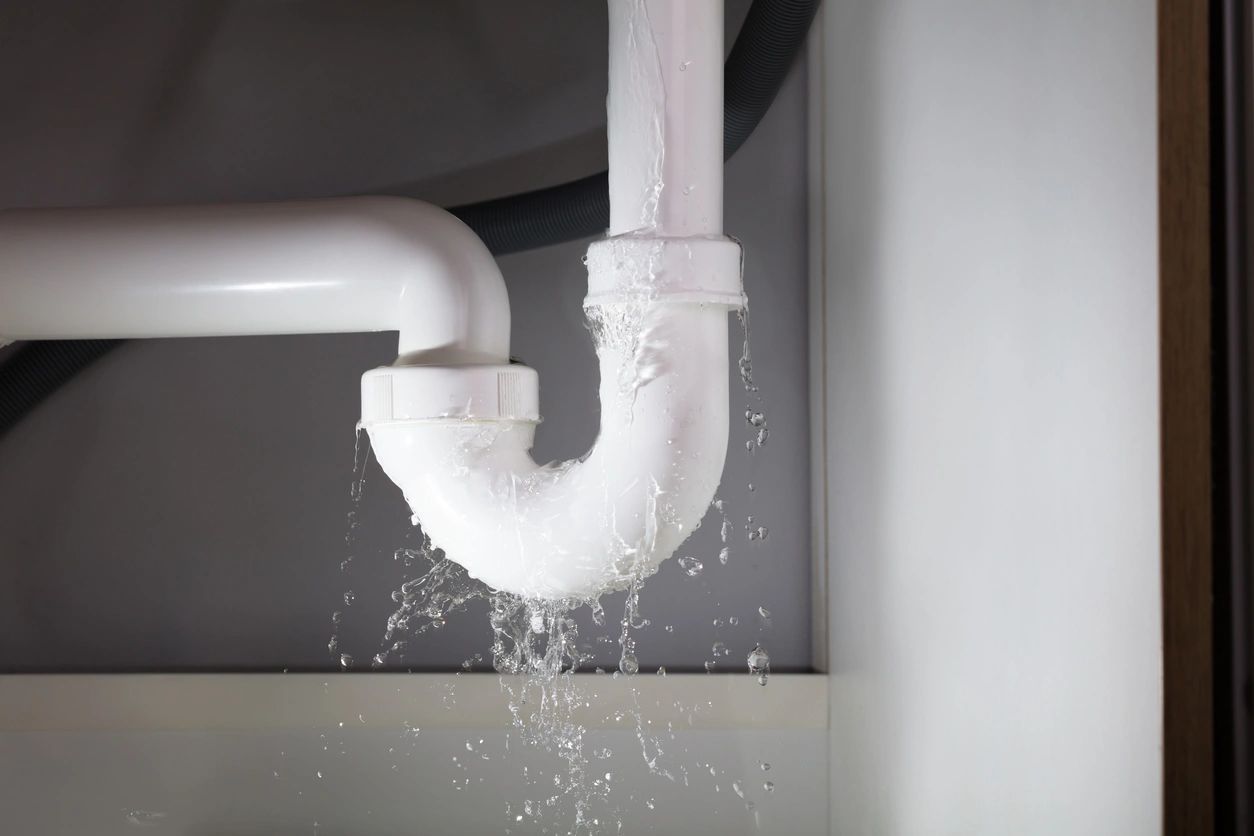
One of the most familiar is the P-trap.
Look beneath many sinks and you’ll see a curved section of pipe.
That curve holds a small amount of water.
The water creates a barrier between the room and the drainage system.
When something interferes with this barrier or another part of the drainage and venting system isn’t functioning as intended, unpleasant odours may become noticeable.
First, Figure Out Where the Smell Is Strongest
Before assuming there is a major sewer problem, try to identify the source.
Check areas around:
- Kitchen sinks
- Bathroom sinks
- Showers
- Bathtubs
- Toilets
- Basement floor drains
- Laundry drains
- Utility rooms
Ask yourself:
- Is the smell limited to one room?
- Does it come from one particular drain?
- Is it worse after using water?
- Does it appear after flushing a toilet?
- Is it strongest in the basement?
- Are any drains also slow or gurgling?
These observations can make professional diagnosis easier.
Cause #1: A Dry P-Trap
One of the simplest causes of drain odour is a dry trap.
A plumbing fixture that is used regularly usually receives enough water to keep its trap filled.
But what about a fixture that hasn’t been used for weeks?
Examples may include:
- Guest bathroom sinks
- Basement showers
- Floor drains
- Utility sinks
- Seasonal-use bathrooms
Water sitting in the trap can gradually disappear.
Without that water barrier, odours from the drainage system may become noticeable.
If the smell is coming from a rarely used fixture, running water may help restore the trap’s water seal.
If the odour continues, further investigation may be necessary.
Cause #2: Organic Buildup Inside a Drain
Sometimes what smells like a sewer problem is actually material accumulating inside the drain.
Bathroom drains can collect:
- Hair
- Soap residue
- Personal care products
- Organic debris
Kitchen drains may accumulate:
- Grease
- Food particles
- Cooking residue
- Soap
As this material remains inside the plumbing, unpleasant smells can develop.
If the drain also empties slowly, buildup becomes an even stronger possibility.
This is where professional drain cleaning in Kanata can help restore drainage and remove accumulated material.
Cause #3: A Dirty Sink Overflow
Some sinks have an overflow opening designed to help manage rising water.
Material can accumulate within this passage.
Because the area isn’t always easy to see or clean, homeowners may assume the odour is coming directly from the drain when the overflow area is contributing to the smell.
Identifying the exact source matters before deciding that a larger plumbing repair is necessary.
Cause #4: A Toilet Seal Problem
A toilet needs a secure connection to the drainage system.
If the seal around that connection becomes compromised, homeowners may notice:
- Sewer-like odours
- Moisture around the toilet base
- Movement when sitting on the toilet
- Staining near the floor
A toilet that rocks or moves should not simply be ignored.
Movement can affect the connection and may eventually contribute to leakage or odour problems.
A plumber in Kanata can inspect the toilet and determine whether the fixture, seal, or surrounding plumbing needs attention.
Cause #5: Plumbing Vent Problems
Drainage systems also need proper venting.
Plumbing vents help manage air movement within the system so wastewater can drain properly.
Potential vent-related problems may contribute to symptoms such as:
- Gurgling drains
- Slow drainage
- Unusual odours
- Water movement in traps
Vent problems require proper diagnosis because similar symptoms can also be caused by drainage restrictions.
A sewer smell combined with gurgling throughout the house is worth investigating.
Cause #6: A Partial Drain Blockage
A drain does not need to be completely blocked to cause trouble.
Partial restrictions can slow wastewater and allow material to remain inside the plumbing longer than it should.
You may notice:
- Slow drainage
- Gurgling
- Unpleasant smells
- Recurring clogs
At first, only one sink or shower may be affected.
If the restriction becomes worse, additional fixtures may begin showing symptoms.
Searching for drain cleaning near Kanata, Ottawa before the drain becomes completely blocked can help prevent a more disruptive backup.
Cause #7: A Larger Drainage Problem
This is where sewer smells deserve more urgent attention.
If several plumbing fixtures are affected at the same time, the problem may not be limited to one drain.
Warning signs include:
- Multiple slow drains
- Several toilets gurgling
- Wastewater appearing in a shower
- Water rising from a basement floor drain
- Recurring backups
- Strong sewage odours throughout the home
These symptoms may indicate a restriction farther down the drainage system.
Professional diagnosis is recommended rather than repeatedly treating individual fixtures.
Cause #8: A Hidden Drain Leak
Not every drainage problem produces obvious standing water.
A leak around a drain connection or concealed pipe may create:
- Persistent odours
- Damp areas
- Staining
- Musty smells
- Damage to surrounding materials
If a sewer-like smell is accompanied by unexplained moisture, the area should be investigated.
Simply cleaning the visible drain may not address the actual problem.
Cause #9: Problems Around a Basement Floor Drain
Basement floor drains are easy to forget because they may go long periods without obvious use.
Yet they can provide important clues about your drainage system.
Watch for:
- Persistent odours
- Gurgling
- Rising water
- Visible wastewater
- Changes when upstairs plumbing is used
If flushing a toilet or draining a bathtub causes activity at the basement floor drain, contact a plumber.
That interaction may suggest a deeper drainage restriction.
Why Does My Bathroom Smell Like Sewage After a Shower?
If the smell appears primarily after using the shower, several possibilities may need to be considered.
The issue could involve:
- Drain buildup
- A drainage restriction
- Trap or venting concerns
- Material trapped near the drain
Pay attention to how quickly the shower drains.
If water begins pooling around your feet and a bad smell is present, professional bathroom drain cleaning near me may be appropriate.
Recurring symptoms deserve more attention than a one-time odour.
Why Does My Sink Smell Even Though It Isn’t Clogged?
A drain can develop an odour before it becomes noticeably slow.
Material may be collecting inside the pipe while sufficient space remains for water to pass.
That’s why smell can sometimes be an early warning sign.
If you notice both an odour and gradually slower drainage, addressing the buildup early may help prevent a complete blockage.
Why Does My House Smell Like Sewage Only Sometimes?
Intermittent odours can be especially confusing.
Try to identify what is happening immediately before the smell appears.
Does it occur:
- After flushing?
- After running the washing machine?
- After draining a bathtub?
- During periods when a bathroom hasn’t been used?
- When several fixtures are operating?
Patterns can provide valuable diagnostic clues.
A smell that repeatedly appears when wastewater is moving through the system may deserve professional evaluation.
What Does Gurgling Have to Do With Sewer Smells?
A gurgling drain is often a sign that air and water aren’t moving through the drainage system normally.
One occasional sound may not mean much.
Repeated gurgling from several fixtures is more significant.
For example, if you flush a toilet and hear the bathtub drain gurgle, those fixtures may be interacting through the drainage system.
Combine that with sewer odours or slow drainage and it becomes a stronger reason to call a plumber.
When Does a Sewer Smell Mean You Need Drain Cleaning?
Professional drain cleaning may help when odours are associated with:
- Organic buildup
- Slow drainage
- Recurring clogs
- Partial obstructions
The appropriate solution depends on the cause.
Drain cleaning is useful when material inside the pipe is responsible.
It will not repair a damaged toilet seal, plumbing vent problem, or structurally damaged pipe.
That’s why diagnosis comes first.
Is Drain Cleaning Worth It?
Yes, when buildup or an obstruction is causing drainage problems.
Professional drain cleaning can help:
- Restore better water flow
- Remove accumulated debris
- Reduce recurring clogs
- Address odours caused by material inside drains
If you’re repeatedly searching for the best drain cleaning near me because the same fixture keeps developing problems, it may be time to investigate why the issue returns.
What Do Plumbers Recommend to Unclog Drains?
Preventative habits can help reduce everyday buildup.
Homeowners can:
- Use sink and shower strainers
- Keep grease out of kitchen drains
- Remove hair before it enters shower drains
- Avoid flushing inappropriate materials
- Address slow drains before they completely stop
Recurring blockages should be professionally diagnosed rather than repeatedly treated with temporary methods.
What Is the Average Cost to Unclog a Drain?
There is no single price that accurately represents every drain blockage.
Cost depends on factors such as:
- Location of the clog
- Severity
- Accessibility
- Equipment required
- Number of affected fixtures
- Whether additional diagnosis is necessary
A bathroom sink restriction and a larger drainage blockage are very different situations.
Homeowners searching drain cleaning near me cost should consider the scope of the problem rather than relying only on a generic advertised price.
How Much Does It Cost to Clean Your Drain?
Professional drain cleaning costs vary according to what needs to be done.
A straightforward local obstruction may require different work from a recurring blockage affecting multiple fixtures.
Pricing can also be influenced by whether service is scheduled normally or required urgently.
The most useful first step is identifying the location and cause of the problem.
Is a Backed-Up Drain an Emergency?
It can be.
A slow drain and an active wastewater backup are very different situations.
Seek prompt professional assistance when:
- Sewage enters a shower or bathtub
- Wastewater rises from a floor drain
- A toilet overflows and cannot be controlled
- Multiple drains stop working
- Water is damaging the property
These situations can create sanitation concerns as well as property damage.
What Is Considered a Plumbing Emergency?
A plumbing emergency generally involves a problem where waiting could significantly increase damage or leave essential plumbing unusable.
Examples include:
- Burst pipes
- Major uncontrolled leaks
- Severe drain backups
- Sewage entering the home
- Significant flooding
In these circumstances, homeowners may search for emergency plumbing near me, 24 hour emergency plumbing near me, or an emergency plumber Ottawa.
Describe the symptoms clearly when requesting service so the urgency can be assessed appropriately.
What Should You Do If Sewage Is Backing Up?
If wastewater is actively backing up into your home, avoid continuing to use plumbing fixtures unnecessarily.
Running additional water can potentially add more wastewater to a drainage system that is already struggling to carry it away.
Arrange professional assistance promptly.
Keep people and pets away from contaminated areas and avoid unnecessary contact with wastewater.
Don’t Forget About Kitchen Drains
Sewer-like smells aren’t limited to bathrooms.
Kitchen drains can develop significant organic buildup because they regularly handle food preparation and dishwashing.
Common contributors include:
- Grease
- Cooking oils
- Food particles
- Coffee grounds
- Soap residue
A kitchen drain that smells unpleasant and drains slowly may need professional cleaning.
Keeping grease and food waste out of the sink can help reduce future buildup.
Bathroom Renovations Can Reveal Existing Drain Problems
If you’re planning a bathroom upgrade, don’t ignore existing drainage symptoms.
Homeowners researching bathroom installation, walk in shower installation, or shower installation near me should have persistent drainage concerns addressed before new finishes are completed.
A new shower still depends on the plumbing underneath it.
If an existing drain:
- Smells
- Gurgles
- Drains slowly
- Frequently clogs
investigate it before installing new tile, flooring, or shower components.
Shower Installation and Proper Drainage Go Together
A successful shower renovation isn’t only about appearance.
The plumbing must reliably deliver water and remove it.
Depending on the project, shower plumbing may involve:
- Drain connections
- Drain relocation
- Water supply modifications
- Shower valves
- Fixture connections
The shower installation cost in Ontario can therefore vary substantially depending on the existing plumbing and scope of the renovation.
Do Plumbers Install Shower Doors?
Plumbers typically handle the water supply and drainage portions of a shower project, including valves, drains, and fixtures.
Shower door installation may be completed by the plumber, renovation contractor, or specialized glass installer depending on the project’s scope.
Confirm responsibilities before the renovation begins.
Sewer Smells and Older Plumbing
Older homes can contain plumbing installed or modified at different times.
One bathroom may have newer plumbing while another section of the property still contains older components.
If sewer smells occur alongside:
- Repeated leaks
- Frequent drain problems
- Visible pipe deterioration
- Unexplained moisture
a broader plumbing inspection may be worthwhile.
The goal isn’t to replace plumbing simply because it is old. It is to determine whether its present condition is contributing to recurring problems.
Hot Water Systems Can Produce Different Odours
Not every unusual smell near plumbing comes from a drain.
If an odour seems specifically associated with hot water, mention that distinction to your plumber.
The water heater and hot water plumbing may need to be evaluated separately from the drainage system.
OttaWater provides:
- Hot water tank repair
- Hot water tank replacement
- Water heater plumbing
- Tankless water heater installation
Understanding whether the smell comes from the water itself or from the drain can help narrow down the cause.
A Quick Sewer-Smell Investigation for Homeowners
Before calling a plumber, gather a few details.
Step 1: Identify the Room
Determine where the smell is strongest.
Step 2: Check Individual Fixtures
Smell around sinks, showers, toilets, and floor drains without unnecessarily opening plumbing components.
Step 3: Run Water in Rarely Used Fixtures
A dry trap may be the issue.
Step 4: Observe Drain Speed
Notice whether water is draining more slowly than normal.
Step 5: Listen for Gurgling
Pay attention when toilets flush or larger amounts of water drain.
Step 6: Look for Moisture
Check around toilets, underneath sinks, and near accessible plumbing.
Step 7: Check Whether Multiple Fixtures Are Affected
This is one of the most useful clues for distinguishing a local problem from a larger drainage issue.
When Should You Call a Plumber?
Professional plumbing service is recommended when:
- The sewer smell doesn’t disappear
- Odours repeatedly return
- Several drains are affected
- Toilets or drains gurgle
- Drainage becomes progressively slower
- Water backs up into another fixture
- There is moisture around a toilet
- Wastewater appears at a floor drain
A recurring sewer smell should not simply become something your household learns to live with.
Finding the cause is the better approach.
Plumbing Services for Kanata Homes
OttaWater provides professional plumbing services throughout Kanata and the greater Ottawa area, including Ottawa, Nepean, Manotick, and Rockcliffe.
Services include:
- Professional drain cleaning
- Bathroom drain cleaning
- Kitchen drain cleaning
- Toilet plumbing
- Residential plumbing repairs
- Emergency plumbing
- Leak detection
- Hot water tank repair
- Hot water tank replacement
- Tankless water heater installation
- Bathroom plumbing
- Shower plumbing
- Plumbing inspections
Whether the problem begins with one smelly drain or several fixtures behaving unusually, identifying the source is the first step toward correcting it.
Don’t Cover Up a Sewer Smell — Find Out Why It’s There
Air fresheners can hide an unpleasant odour.
They cannot repair a plumbing problem.
Sometimes the solution is simple, such as restoring water to a dry trap. In other cases, the smell may be associated with drain buildup, a toilet connection, venting, a hidden leak, or a larger drainage restriction.
Pay particular attention when sewer smells occur alongside slow drains, recurring clogs, gurgling fixtures, or wastewater backups.
Those symptoms tell you much more than the smell alone.
If you’re looking for a reliable plumber in Kanata to investigate sewer odours, clean problematic drains, or diagnose a larger drainage issue, OttaWater is ready to help.
Call: (613) 884-8355
Frequently Asked Questions
Why does my house suddenly smell like sewage?
Possible causes include a dry drain trap, organic buildup, a toilet seal issue, drainage restrictions, plumbing vent problems, or another issue within the drainage system. The location and timing of the smell can help narrow down the cause.
Can a dry drain cause a sewer smell?
Yes. A trap normally contains water that helps prevent drainage-system odours from entering the room. Rarely used fixtures can sometimes develop dry traps.
Why does my bathroom smell like sewage even after I clean it?
If ordinary surface cleaning doesn’t remove the smell, the source may be inside a drain or related to another plumbing component. Persistent odours should be investigated.
Why does my shower drain smell and drain slowly?
Hair, soap residue, and other material may be accumulating inside the drain. Slow drainage combined with persistent odour can indicate that professional drain cleaning is needed.
Why does my toilet smell like sewage?
Potential causes include problems with the toilet’s connection or seal, drainage issues, or nearby plumbing. Moisture or movement around the toilet are additional reasons to arrange an inspection.
Why do my drains gurgle when I flush the toilet?
The sound may indicate unusual movement of air through the drainage system. If multiple fixtures gurgle or drain slowly, a deeper restriction or venting issue may need investigation.
Is a sewage smell a plumbing emergency?
An odour alone may not always be an emergency. However, sewage actively backing up into the home, wastewater overflowing, or multiple unusable drains should receive prompt professional attention.
Is drain cleaning worth it for sewer smells?
It can be when accumulated organic material or a drain obstruction is causing the smell. Drain cleaning will not correct every possible source, which is why proper diagnosis is important.
How can I tell whether the sewer smell is coming from one drain or a bigger plumbing problem?
If the smell is isolated to one fixture, the problem may be local. Multiple slow drains, gurgling fixtures, backups, or odours throughout several areas of the home can indicate a broader drainage issue.
When should I call a plumber about sewer smells?
Call a plumber when the smell persists or repeatedly returns, several fixtures are affected, drains are slow or gurgling, moisture appears around plumbing fixtures, or wastewater begins backing up.