
Finishing a basement can completely change how a home is used.
An unfinished lower level can become a family room, home office, guest suite, bathroom, laundry area, entertainment space, or additional living area. New flooring, drywall, lighting, cabinetry, and fixtures can make the basement feel like an entirely different part of the house.
But there is one important step homeowners should consider before those beautiful finishes go in:
Inspect the plumbing.
For homeowners in Manotick, Ottawa, Kanata, Nepean, and Rockcliffe, a basement renovation can provide valuable access to plumbing that may become much harder to reach once ceilings and walls are closed.
A small leak that is easy to repair today could become a much more disruptive problem after drywall, flooring, insulation, cabinetry, and furniture have been installed.
At OttaWater, we help homeowners evaluate existing plumbing, plan new basement fixtures, investigate drainage concerns, and identify problems that should be addressed before renovation work moves forward.
If you’re planning to finish or renovate your lower level, here are the plumbing areas worth checking first.
Why Basement Plumbing Deserves Extra Attention Before Renovation
Basements often contain some of the most important plumbing infrastructure in a home.
Depending on the property, you may find:
- Water supply lines
- Drainage pipes
- Main water shut-off
- Floor drains
- Sump equipment
- Water heater
- Laundry plumbing
- Bathroom rough-ins
- Plumbing cleanouts
- Mechanical equipment
Once a basement is finished, many of these components may be concealed behind walls or ceilings.
That doesn’t mean plumbing should never be covered. It means the system should be evaluated and access requirements considered before finishing work begins.
Start With a Complete Walk-Through of the Basement
Before framing or drywall installation, walk through the basement carefully.
Don’t only look for obvious leaks.
Pay attention to subtle signs such as:
- Water stains
- Rust or corrosion
- Mineral deposits
- Damp concrete
- Musty odours
- Discoloured framing
- Dripping valves
- Slow floor drains
- Unusual pipe noises
Even an old stain deserves a closer look.
Was the problem repaired?
Is it still active?
Where did the water originally come from?
Answering these questions before construction begins can prevent unpleasant surprises later.
Problem #1: Small Pipe Leaks That Are Easy to Miss
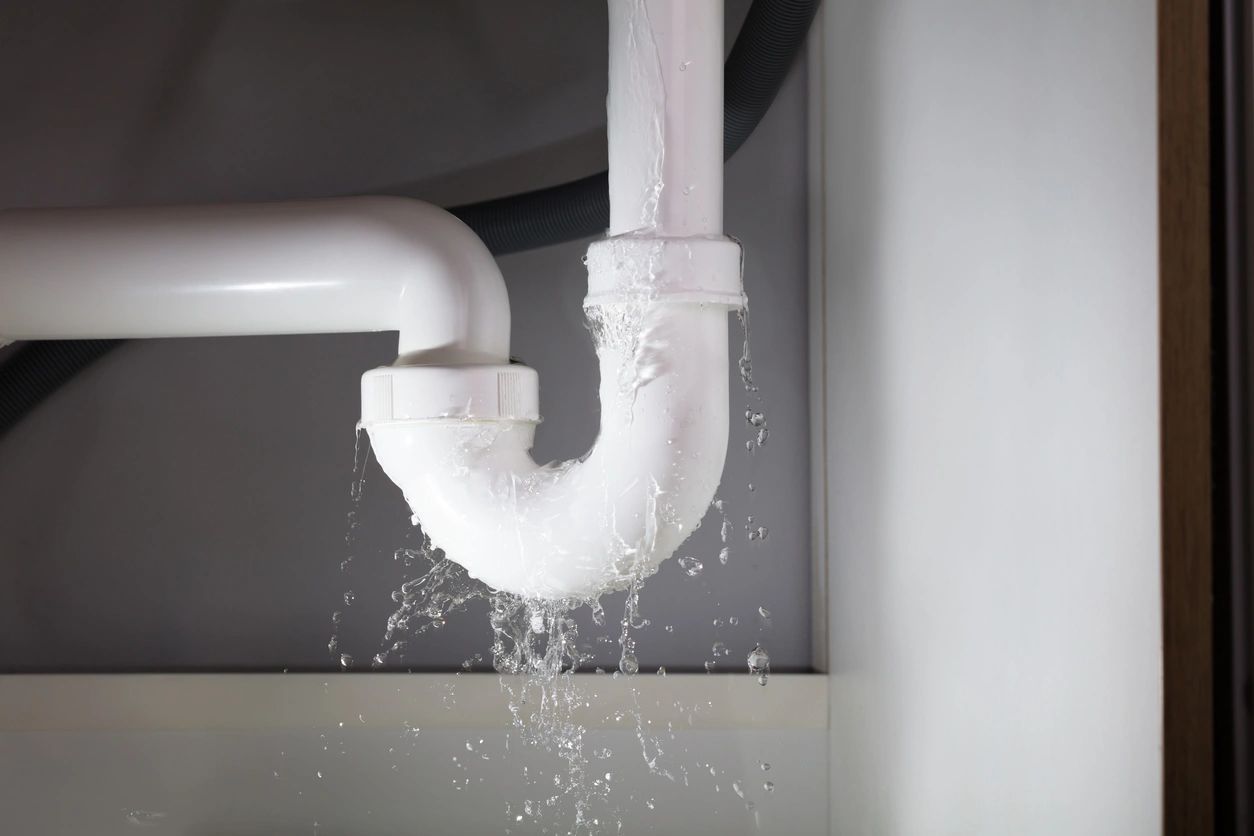
Not every plumbing leak creates a puddle.
A slow leak around a fitting or valve may produce only a few drops at a time.
Look carefully around:
- Pipe joints
- Shut-off valves
- Water heater connections
- Laundry connections
- Exposed supply lines
Signs may include:
- Green or white deposits
- Rust-like staining
- Moisture
- Water marks
- Damp insulation
If a questionable connection will eventually sit behind a finished wall, investigate it first.
Problem #2: Aging Plumbing Pipes
Basement renovations provide an excellent opportunity to inspect exposed plumbing.
Older pipes aren’t automatically defective, and age alone doesn’t mean everything needs replacement.
However, homeowners should pay attention to:
- Visible corrosion
- Repeated previous repairs
- Active leaks
- Damaged fittings
- Deteriorating sections
If one portion of the plumbing is already showing significant deterioration, a professional plumber in Manotick can evaluate whether repair or replacement should be completed while access is convenient.
Problem #3: A Floor Drain That Doesn’t Work Properly
Basement floor drains are easy to ignore until something goes wrong.
Before installing new basement finishes, check whether the drain shows signs of:
- Slow drainage
- Persistent odours
- Gurgling
- Debris accumulation
- Previous backups
A floor drain can also provide clues about a larger drainage problem.
If water rises from the floor drain when another fixture is used, professional investigation should be arranged before proceeding with the renovation.
Problem #4: Sewer Smells in the Basement
A finished basement shouldn’t smell like a drain.
If you already notice sewer-like odours while the space is unfinished, determine the cause before installing flooring and drywall.
Potential causes can include:
- Dry drain traps
- Drain buildup
- Drainage restrictions
- Plumbing connection issues
- Venting concerns
Sometimes the solution is relatively straightforward.
Other situations require a deeper inspection.
Covering the area without identifying the source doesn’t make the plumbing problem disappear.
Problem #5: Recurring Drain Backups
Has the basement experienced a drain backup before?
Don’t treat that history as irrelevant just because everything currently appears dry.
Ask:
- Which drain backed up?
- How often has it happened?
- Were several fixtures affected?
- Was the underlying cause identified?
- Was professional drain cleaning performed?
A previous backup can be important information when planning an expensive basement renovation.
Multiple Slow Drains Are an Important Warning
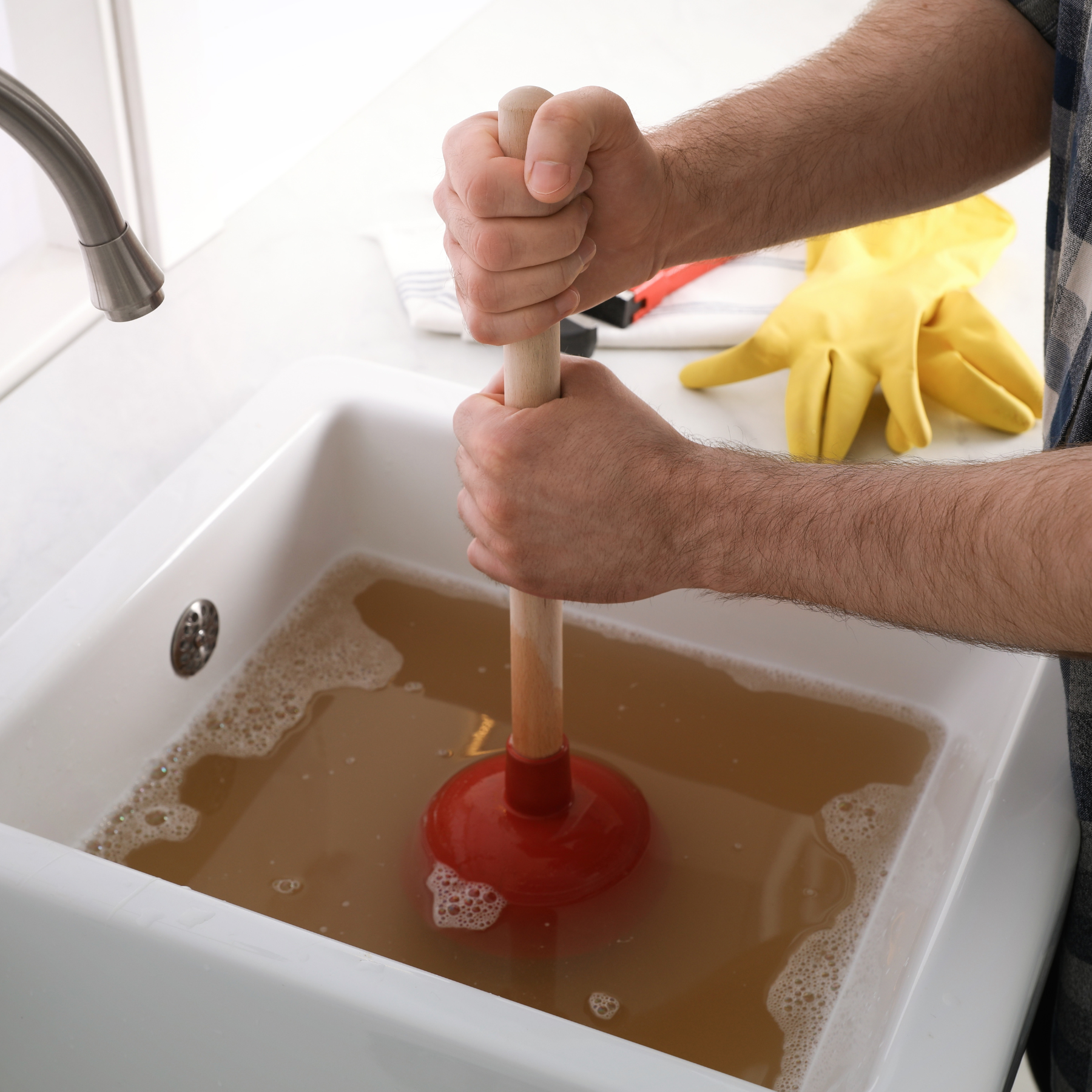
One slow sink may have a localized blockage.
Several slow fixtures can suggest something more significant.
For example, if the:
- Basement sink
- Floor drain
- Upstairs shower
- Toilet
all show drainage changes, the problem may extend beyond one fixture.
Professional drain cleaning Ottawa services may be necessary depending on the cause and location of the restriction.
It’s far better to investigate questionable drainage before completing a new lower-level living space.
Problem #6: Sump Pump Concerns
For homes equipped with sump systems, the pump should not be forgotten during basement planning.
A sump pump may play an important role in helping manage water around the foundation.
Before renovation, check for obvious issues such as:
- Pump not activating
- Pump running unusually often
- Strange noises
- Float movement problems
- Debris in the pit
- Discharge concerns
A basement renovation represents a significant investment.
Protecting that investment means paying attention to the systems responsible for managing water.
Don’t Build Around a Sump Pump Without Thinking About Access
A finished basement should look polished, but important mechanical equipment still needs to remain serviceable.
Avoid creating a design where reaching the sump system requires removing permanent finishes.
Future inspection, testing, repair, or replacement should be considered during the planning stage.
A clean design and practical access can coexist.
Problem #7: Laundry Plumbing That Needs Attention
Many Manotick homes have laundry facilities in the basement.
If your renovation includes a laundry room, inspect:
- Hot water connection
- Cold water connection
- Shut-off valves
- Drain connection
- Visible hoses and fittings
- Surrounding surfaces for moisture
Laundry equipment uses a significant amount of water.
A leaking connection inside a beautifully finished basement can quickly damage flooring, cabinetry, drywall, and stored belongings.
Moving the Laundry Room? Plan the Plumbing First
Relocating laundry equipment is not simply a matter of moving the washer and dryer.
The new layout may require consideration of:
- Water supply
- Drainage
- Accessibility
- Other building requirements
The plumbing plan should be developed before framing and cabinetry determine where everything must go.
Problem #8: An Aging Hot Water Tank
The basement is also where many homeowners keep their water heater.
If you’re renovating around an existing hot water tank, inspect its condition before designing the finished space.
Watch for:
- Moisture around the tank
- Corrosion
- Unusual noises
- Inconsistent hot water
- Reduced hot water capacity
- Previous repairs
If the tank is already experiencing problems, dealing with them before surrounding construction is completed may make practical sense.
OttaWater provides hot water tank repair and hot water tank replacement services throughout the Ottawa area.
Leave Practical Access Around the Water Heater
Avoid designing a finished basement that makes water heater service unnecessarily difficult.
The system may eventually require:
- Inspection
- Maintenance
- Repair
- Replacement
Planning access now can make future plumbing work far less disruptive.
Problem #9: Existing Basement Bathroom Rough-Ins
Some basements already contain plumbing intended for a future bathroom.
You may see capped pipes or drains where a:
- Toilet
- Sink
- Shower
was originally planned.
These rough-ins can be useful, but don’t automatically assume that every visible pipe is positioned exactly where your new bathroom design requires it.
Before construction, confirm:
- What each connection serves
- Whether the planned fixture locations work
- Whether drainage is appropriate
- Whether modifications will be necessary
A plumber can help coordinate the plumbing layout with your renovation plan.
Planning a New Basement Bathroom
Adding a bathroom can dramatically improve the usefulness of a finished basement.
Depending on the design, plumbing may be required for:
- Toilet
- Vanity
- Sink
- Shower
- Bathtub
The best time to solve these details is before the bathroom layout becomes fixed.
Changing plumbing after tile, flooring, and walls are completed is considerably less convenient.
Walk-In Shower Installation in a Basement
A walk in shower installation can be an excellent addition to a basement guest suite or family bathroom.
But basement shower plumbing requires careful planning.
Considerations may include:
- Drain location
- Existing drainage
- Water supply
- Shower valve
- Floor configuration
- Fixture placement
Homeowners searching for shower installation near me should involve the appropriate plumbing professional early in the renovation rather than waiting until the shower materials arrive.
What Affects Basement Shower Installation Cost in Ontario?
The shower installation cost in Ontario varies because basement conditions differ substantially between homes.
Plumbing-related factors can include:
- Existing rough-ins
- Drain location
- Required drainage modifications
- Water supply changes
- Existing pipe condition
- Shower design
- Accessibility
A shower installed close to appropriate existing plumbing is a different project from one requiring substantial changes to the basement plumbing layout.
Do Plumbers Install Shower Doors?
Plumbers generally handle the plumbing portion of shower construction, including:
- Water supply
- Shower valves
- Drain connections
- Plumbing fixtures
Shower door installation may be handled by a plumber, renovation contractor, or specialized glass installer depending on the project’s scope.
Confirm responsibilities with the contractors involved before work begins.
Problem #10: Poorly Planned Shut-Off Valve Access
Shut-off valves can become extremely important when something leaks.
If your renovation hides them behind permanent drywall or cabinetry, a future repair may become unnecessarily complicated.
Before finishing the basement, identify important plumbing controls and discuss how appropriate access will be maintained.
The same principle applies to plumbing components that may need future servicing.
Problem #11: Plumbing Hidden Inside the Ceiling
An unfinished basement often gives homeowners an excellent view of plumbing serving the floors above.
Once a ceiling is installed, much of that access disappears.
Before closing it, inspect visible:
- Drain pipes
- Water supply lines
- Joints
- Valves
- Connections
Look for moisture or previous repair work.
If something appears questionable, this is the ideal time to have it evaluated.
A Tiny Leak Above a Finished Ceiling Can Become Expensive
Consider the difference between repairing an exposed pipe today and repairing the same pipe after a finished basement is complete.
Later, a plumber may first need access through:
- Drywall
- Ceiling finishes
- Built-in features
And if the leak has been active for some time, water may already have damaged surrounding materials.
Preventative inspection can reduce this risk.
Problem #12: Unexplained Moisture on the Basement Floor
Not all basement moisture comes from plumbing.
But plumbing should be considered when water appears unexpectedly.
Potential plumbing-related sources can include:
- Supply leaks
- Drain leaks
- Water heater leaks
- Laundry connections
- Plumbing fixtures
Determine where the moisture originates before installing flooring over the area.
New flooring can conceal symptoms temporarily without correcting the source.
Don’t Confuse Plumbing Moisture With Other Basement Water Problems
Basements can experience moisture for reasons unrelated to interior plumbing.
That’s why diagnosis matters.
A plumber can investigate whether visible water is associated with:
- A fixture
- A supply pipe
- A drain
- A water heater
- Another plumbing component
If the source is not plumbing-related, the homeowner can then pursue the appropriate solution rather than repairing unrelated pipes.
Problem #13: Low Water Pressure at Planned Fixtures
If you’re adding a basement bathroom or laundry area, consider existing water supply performance.
Check whether the home already experiences:
- Weak shower pressure
- Hot and cold pressure differences
- Significant pressure changes when several fixtures operate
Adding new fixtures doesn’t automatically cause a problem, but existing performance concerns should be understood before expanding the plumbing system.
Problem #14: Hot Water Capacity May Not Match the Renovation
Adding a basement bathroom can increase household hot water demand.
Imagine adding:
- A guest shower
- Another vanity
- A basement laundry room
to a home where the existing water heater already struggles during busy mornings.
The renovation may be a good time to evaluate whether the existing system still suits household usage.
OttaWater can inspect water heater performance and discuss hot water tank repair, replacement, or other water heating options where appropriate.
Problem #15: Previous DIY Plumbing Work
Basements sometimes reveal the history of a home’s renovations.
You may discover:
- Unusual pipe routing
- Abandoned plumbing
- Old fixture connections
- Multiple generations of repairs
- Questionable modifications
Don’t assume something is correct simply because it has been there for years.
If the renovation will rely on existing plumbing, professional inspection can provide valuable clarity before the system becomes concealed.
Should You Replace Old Pipes During a Basement Renovation?
Not automatically.
Functional plumbing shouldn’t be replaced without a reason.
However, replacement may deserve consideration when accessible pipes show:
- Significant corrosion
- Repeated leakage
- Physical deterioration
- Numerous previous repairs
- Poor performance
Renovation creates an opportunity to address vulnerable plumbing while it is exposed.
The decision should be based on actual condition rather than age alone.
Should You Schedule Drain Cleaning Before Finishing the Basement?
Not every basement renovation requires professional drain cleaning.
But it can be worth investigating drainage when the home already has:
- Recurring clogs
- Slow drains
- Gurgling
- Sewer smells
- Previous backups
Homeowners searching for drain cleaning near Manotick or Ottawa should explain the complete history of the problem rather than focusing on only the most recently affected fixture.
What Do Plumbers Recommend to Unclog Drains?
For everyday prevention, homeowners can reduce drain problems by:
- Keeping grease out of kitchen sinks
- Using drain strainers
- Keeping hair out of shower drains
- Flushing only appropriate materials
- Addressing recurring slow drains early
A persistent or repeatedly returning blockage should be professionally investigated.
Is Drain Cleaning Worth It Before a Renovation?
It can be when existing symptoms suggest a drainage restriction.
Professional drain cleaning may help:
- Restore proper flow
- Remove accumulated material
- Reduce recurring blockages
More importantly, investigating recurring drainage problems before renovating can help determine whether a deeper issue needs attention.
New finishes should not be used to hide an unresolved plumbing problem.
What Is the Average Cost to Unclog a Drain?
There is no universal price because drain problems vary.
Cost may depend on:
- Location of the blockage
- Severity
- Accessibility
- Required equipment
- Number of affected fixtures
A local sink clog and a deeper drainage restriction involve different work.
For homeowners researching drain cleaning near me cost, identifying the actual problem is more useful than relying on one generic number.
When Is a Basement Drain Backup an Emergency?
A slow drain may allow time for scheduled service.
Active wastewater backing up into the basement is different.
Prompt assistance is recommended when:
- Sewage enters the basement
- Wastewater rises from a floor drain
- Multiple fixtures stop draining
- Water is spreading across finished areas
- Sanitation becomes a concern
Basements often contain valuable belongings and increasingly serve as finished living spaces, so backups can cause substantial disruption.
What Is a Plumbing Emergency?
A plumbing emergency generally involves a situation where delaying service could lead to significant property damage, sanitation concerns, or loss of essential plumbing.
Examples include:
- Burst pipes
- Major uncontrolled leaks
- Severe wastewater backups
- Significant flooding
Homeowners facing these situations may search for emergency plumbing near me, 24 hour emergency plumbing near me, or an emergency plumber Ottawa.
If water is actively escaping, knowing the location of the home’s main water shut-off can also be extremely useful.
Build Access Into Your Basement Design
A beautifully finished basement should still be practical to maintain.
During renovation planning, consider future access to important plumbing equipment and connections.
This may include:
- Shut-off valves
- Cleanouts
- Sump equipment
- Water heater
- Other serviceable plumbing components
Thoughtful access can prevent a relatively simple future plumbing repair from turning into unnecessary demolition.
A Pre-Renovation Basement Plumbing Checklist
Before framing, drywall, flooring, or cabinetry begins, review these areas:
Water Supply
- Any visible leaks?
- Corroded pipes?
- Questionable valves?
- Poor water pressure?
Drainage
- Any slow drains?
- Recurring clogs?
- Gurgling?
- Sewer odours?
Basement Floor Drain
- Any previous backups?
- Unusual water movement?
- Persistent smell?
Sump System
- Does the pump operate?
- Is the pit accessible?
- Are there unusual noises or cycling problems?
Water Heater
- Any leaks?
- Corrosion?
- Strange sounds?
- Inconsistent performance?
Laundry
- Secure water connections?
- Functional drain?
- Accessible shut-offs?
Future Bathroom
- Existing rough-ins?
- Appropriate drain locations?
- Water supply planned?
- Shower layout confirmed?
Plumbing Access
- Will important valves and equipment remain serviceable after finishing?
Completing this review before construction can make the entire renovation more predictable.
Why Plumbing Planning Should Come Before Cosmetic Decisions
Basement renovation planning naturally focuses on exciting choices:
- Flooring
- Paint
- Lighting
- Furniture
- Bathroom finishes
- Cabinetry
But plumbing determines whether many of those finished spaces function properly.
A bathroom needs reliable drainage.
A laundry room needs secure water connections.
A finished basement needs protection from leaks and backups.
A guest shower needs dependable hot water.
Handling infrastructure first gives the cosmetic work a stronger foundation.
Plumbing Services for Manotick Basement Renovations
OttaWater provides professional plumbing services throughout Manotick and the greater Ottawa area, including Ottawa, Kanata, Nepean, and Rockcliffe.
Services include:
- Basement plumbing inspections
- Bathroom plumbing
- Drainage evaluation
- Professional drain cleaning
- Toilet installation and repair
- Shower plumbing
- Walk-in shower plumbing
- Water supply modifications
- Leak detection
- Pipe repair
- Hot water tank repair
- Hot water tank replacement
- Water heater plumbing
- Emergency plumbing
- General residential plumbing
Whether you’re creating one basement bathroom or transforming the entire lower level, plumbing should be part of the plan from the beginning.
Inspect First, Finish Second
A basement renovation can represent a major investment in your home.
The last thing you want is to finish the space and then discover that a pipe behind the new drywall was already leaking, a floor drain had a recurring backup problem, or the bathroom plumbing needed significant changes.
The unfinished stage gives you something extremely valuable:
Access.
Use it.
Inspect visible plumbing. Investigate unexplained moisture. Test drainage. Evaluate the sump system. Look at the water heater. Plan bathroom and laundry plumbing before walls determine where everything must go.
If you’re preparing to finish or renovate your basement and need a dependable plumber in Manotick, OttaWater can help evaluate existing plumbing and plan the plumbing work required for your new lower-level space.
Call: (613) 884-8355
Frequently Asked Questions
Should I have my plumbing inspected before finishing my basement?
Yes, especially when plumbing will become concealed behind new walls or ceilings. An inspection can identify visible leaks, deterioration, drainage concerns, and plumbing that may need repair before finishing work begins.
What plumbing should I check before a basement renovation?
Check exposed supply lines, drains, floor drains, shut-off valves, laundry connections, sump equipment, water heater plumbing, and any existing bathroom rough-ins.
Should old basement pipes be replaced before drywall goes up?
Not simply because they are old. Replacement should be based on their condition, material, repair history, and performance. However, renovation is a convenient time to address pipes already showing significant deterioration.
Can I add a bathroom to my basement?
Many basements can accommodate bathrooms, but the plumbing requirements depend on the existing drainage, water supply, layout, and property conditions. Have the proposed design evaluated before construction.
Should I investigate a slow basement floor drain before renovating?
Yes. Slow drainage, gurgling, sewer smells, or previous backups should be investigated before expensive new finishes are installed.
Is a basement sewer smell always a major plumbing problem?
No. A rarely used drain may have a dry trap, for example. Persistent smells, however, can also be associated with buildup, drainage restrictions, or other plumbing concerns and should be investigated.
Should I replace my water heater before finishing the basement?
Not necessarily. However, if the existing water heater is already leaking, corroded, unreliable, or struggling to meet household demand, the renovation is a sensible time to evaluate it.
Is professional drain cleaning worth it before finishing a basement?
It can be if the home has recurring clogs, slow drains, gurgling, sewer odours, or a history of backups. Drain cleaning should address an identified drainage need rather than being performed automatically.
Should plumbing valves remain accessible after a basement renovation?
Important serviceable plumbing components should be considered during renovation planning. Appropriate access can make future maintenance and repairs significantly easier.
When should I call an emergency plumber for a basement plumbing problem?
Seek prompt professional help when a pipe bursts, water cannot be controlled, sewage is backing up, wastewater is spreading through the basement, or a plumbing problem is actively causing significant property damage.