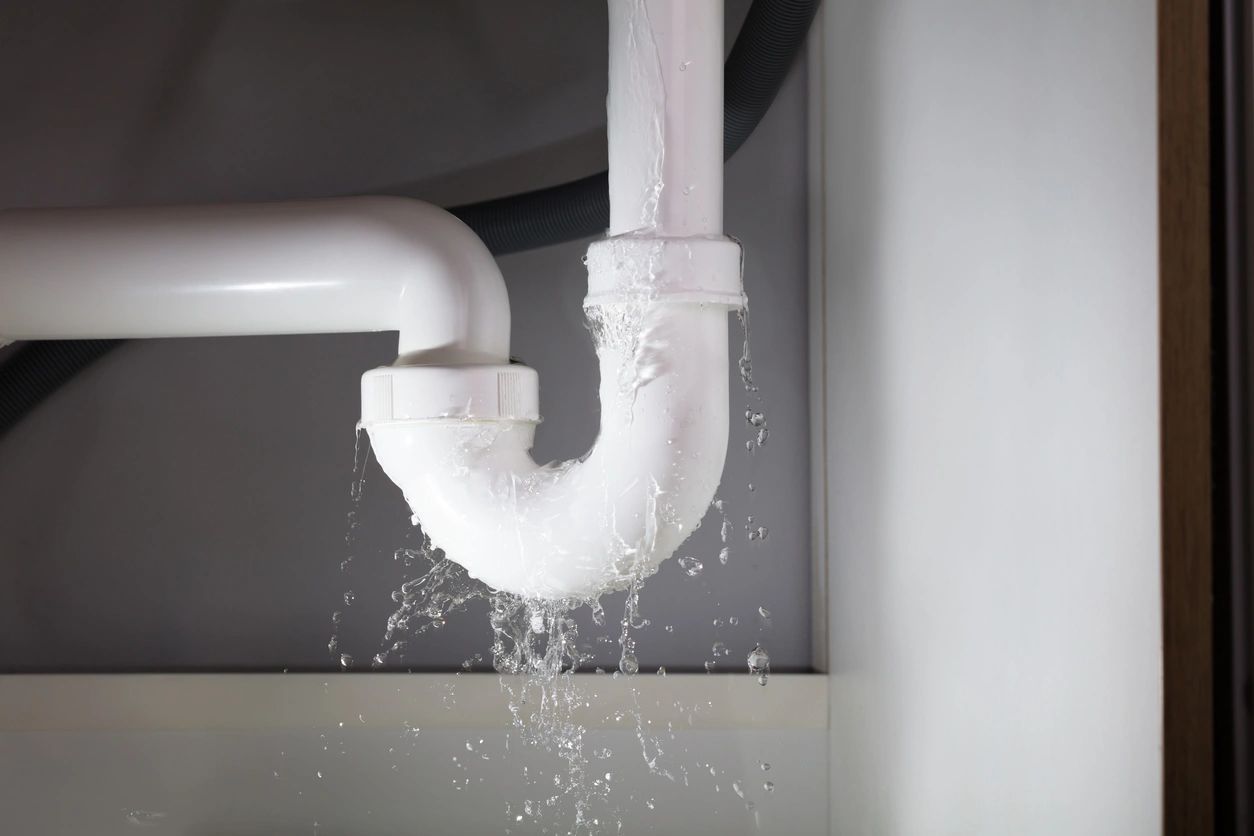

The kitchen sink is one of the busiest plumbing fixtures in the home.
Every day it handles:
- Food preparation
- Dishwashing
- Soap
- Grease
- Cooking oils
- Food particles
Because of that constant use, kitchen drains are especially vulnerable to buildup.
For homeowners in Kanata, Ottawa, Nepean, Manotick, and Rockcliffe, a slow kitchen sink often starts as a minor inconvenience. Water takes a little longer to disappear. A faint odour develops. The drain gurgles occasionally.
Then one day, the sink stops draining altogether.
If you’re searching for a plumber in Kanata because your kitchen sink keeps clogging, understanding what’s causing the problem can help you prevent it from coming back.
At OttaWater, we provide professional drain cleaning and residential plumbing services designed to address the actual cause of recurring kitchen clogs rather than simply creating temporary relief.
What Causes Kitchen Sink Drains to Clog?
Kitchen clogs usually develop gradually.
Every time the sink is used, small amounts of material can collect inside the drain.
Over time, that buildup reduces the open space inside the pipe.
The most common causes include:
- Grease
- Cooking oil
- Food particles
- Soap residue
- Coffee grounds
- Starchy foods
- Foreign objects
Understanding each one can help homeowners avoid preventable plumbing problems.
Cause #1: Grease and Cooking Oil
Grease is one of the biggest causes of kitchen drain blockages.
When grease is hot, it flows like a liquid.
That makes it seem harmless to pour down the drain.
The problem begins when it cools.
Inside the plumbing, grease can:
- Coat the pipe walls
- Harden
- Trap other debris
- Restrict water flow
As the layer becomes thicker, food particles and soap residue stick to it.
Eventually, the drain becomes significantly restricted.
Why Hot Water Doesn’t Make Grease Disappear
Some homeowners believe running hot water after pouring grease into the sink will carry it safely through the plumbing.
Unfortunately, the water eventually cools.
The grease can then harden farther down the pipe, where it may be more difficult to reach.
The safest approach is to allow cooking grease to cool and dispose of it separately rather than putting it into the drain.
Cause #2: Food Scraps
Food waste is another common source of kitchen sink clogs.
Even small particles can accumulate over time.
Problem materials may include:
- Vegetable peelings
- Rice
- Pasta
- Bread
- Eggshell fragments
- Meat scraps
These materials don’t always move cleanly through plumbing.
Some expand when exposed to water. Others stick to grease buildup.
Together, they can create a dense blockage.
Cause #3: Coffee Grounds
Coffee grounds may look small enough to safely disappear down the drain.
They don’t dissolve.
Instead, they can collect inside pipes and mix with oils and grease.
This creates a thick material that may contribute to recurring clogs.
Coffee grounds are better disposed of in the garbage or compost where appropriate.
Cause #4: Starchy Foods
Rice, pasta, flour, and similar foods can become sticky when wet.
Inside a drain, they may combine with grease and other debris.
This can create a paste-like buildup that reduces drainage.
A small amount may not immediately cause a problem, but repeated disposal can contribute to restrictions.
Cause #5: Soap and Detergent Residue
Dish soap helps clean dishes, but residue from cleaning products can still contribute to buildup inside plumbing.
When soap mixes with:
- Grease
- Minerals
- Food particles
it can form deposits along the inside of the drain line.
This is one reason kitchen clogs can develop even when homeowners are careful with food waste.
Cause #6: Foreign Objects
Sometimes a clog is caused by something that should never have entered the drain.
Examples can include:
- Utensil fragments
- Bottle caps
- Packaging
- Small plastic pieces
- Cleaning materials
These objects can catch other debris and quickly create a blockage.
If something solid disappears into the drain, avoid forcing it farther into the plumbing.
The Early Signs of a Kitchen Sink Clog
Kitchen drain problems usually provide warning signs before becoming completely blocked.
Watch for:
- Water draining more slowly
- Gurgling sounds
- Unpleasant odours
- Water pooling in the sink
- The drain clearing and then slowing again
A recurring slow drain is especially important.
It may indicate that buildup remains inside the line even after temporary DIY efforts.
Why Does My Kitchen Sink Smell?
A bad smell often means organic material is trapped inside the drain.
Food residue, grease, and other debris can remain in the plumbing and begin producing odours.
A smelly drain may also indicate:
- Partial blockage
- Accumulated buildup
- Plumbing venting problems
If cleaning the visible drain opening doesn’t eliminate the smell, the problem may be farther inside the pipe.
Why Does My Kitchen Sink Gurgle?
Gurgling can occur when water and air are struggling to move normally through the drainage system.
A partial blockage may cause:
- Bubbling
- Gurgling
- Slow water flow
If the sink gurgles along with other drains, the problem may not be limited to the kitchen.
Professional diagnosis can help determine whether the issue is local or deeper in the system.
What Can You Safely Try at Home?
For a very minor clog, basic homeowner maintenance may help.
You can:
- Remove visible debris
- Clean the drain strainer
- Use a plunger designed for sinks
- Stop using the sink if water is backing up
Avoid repeatedly using aggressive chemical drain cleaners without knowing the cause.
If the blockage is persistent or recurring, professional service is usually the better option.
Why DIY Drain Cleaning Often Only Works Temporarily
A household plunger may move a simple obstruction.
A small hand tool may pull out material near the drain opening.
But deeper buildup can remain attached to the pipe walls.
That means:
- The sink starts draining again.
- The remaining buildup stays in place.
- New debris catches on it.
- The clog returns.
This cycle is one of the most common reasons homeowners repeatedly search for drain cleaning near me.
How Professional Drain Cleaning Helps
Professional drain cleaning focuses on clearing the obstruction more thoroughly.
A plumber can evaluate:
- Where the clog is located
- How severe it is
- Whether it keeps returning
- Whether other drains are affected
The appropriate cleaning method depends on the specific plumbing system.
The objective is to restore proper flow while identifying whether any deeper issue is contributing to the blockage.
Drain Cleaning Kanata: When Should You Call?
Professional service is recommended if:
- The sink doesn’t drain at all
- The same clog keeps returning
- Water backs up
- Several drains are affected
- Strong odours persist
- DIY methods haven’t worked
These symptoms suggest that the blockage may require more than basic surface cleaning.
What Is the Average Cost to Unclog a Drain?
There isn’t one fixed price for every kitchen sink clog.
Cost depends on factors such as:
- Location of the blockage
- Severity
- Accessibility
- Equipment required
- Whether the clog is local or deeper
A simple kitchen sink restriction is different from a blockage affecting a larger portion of the drainage system.
For homeowners researching drain cleaning near me cost, an accurate assessment provides much better information than a generic advertised number.
How Much Does It Cost to Clean Your Drain?
Professional drain cleaning pricing varies depending on the condition of the plumbing.
Factors may include:
- Degree of grease buildup
- Pipe condition
- Number of affected drains
- Diagnostic requirements
- Emergency scheduling
Addressing a slow drain before it becomes completely blocked can often make the situation easier to manage.
What Do Plumbers Recommend to Unclog Drains?
For kitchen drains, prevention is especially important.
Professional plumbers generally recommend:
- Keeping grease out of sinks
- Scraping plates before washing them
- Using sink strainers
- Avoiding coffee grounds in drains
- Addressing slow drainage early
These simple habits can significantly reduce kitchen plumbing problems.
Is Drain Cleaning Worth It?
Yes, especially when a sink keeps clogging.
Professional drain cleaning can help:
- Restore proper flow
- Remove significant buildup
- Reduce recurring clogs
- Improve overall drainage performance
It can also help determine whether a repeated clog is caused by household buildup or a larger plumbing issue.
When a Kitchen Clog Becomes an Emergency
A single slow sink usually isn’t an emergency.
However, the situation becomes more urgent if:
- Water is overflowing
- Several drains stop working
- Wastewater backs up into other fixtures
- Property damage begins
At that stage, homeowners may search for:
- Emergency plumbing near me
- 24 hour emergency plumbing near me
- Emergency plumber Ottawa
Prompt service can help prevent damage and restore normal plumbing operation.
Is a Backed-Up Drain an Emergency?
It can be.
A backed-up drain should receive urgent attention when:
- Water is overflowing
- Sewage is present
- Multiple fixtures are affected
- The backup is damaging cabinets, flooring, or walls
Kitchen backups can be especially damaging because water can quickly reach cabinetry and flooring.
What Is a Plumbing Emergency?
A plumbing emergency generally involves a situation that could cause immediate property damage or sanitation concerns.
Examples include:
- Burst pipes
- Major leaks
- Severe drain backups
- Flooding
- Multiple unusable fixtures
A clog that is completely contained may be scheduled normally, but active overflow should be handled much more quickly.
Kitchen Plumbing Is More Than Just the Drain
If you’re experiencing recurring kitchen problems, the plumber may also evaluate:
- Faucet connections
- Shut-off valves
- Sink plumbing
- Supply lines
- Water pressure
A drainage issue may be the most obvious symptom, but the broader plumbing system still deserves attention.
Hot Water Matters in the Kitchen Too
Kitchen plumbing depends on reliable hot water for:
- Dishwashing
- Cleaning
- Food preparation
If your sink takes too long to become hot or hot water runs out too quickly, the issue may involve the water heater.
OttaWater provides:
- Hot water tank repair
- Hot water tank replacement
- Tankless water heater installation
A properly functioning hot water system improves both kitchen and bathroom performance.
Kitchen Renovations Are a Good Time to Inspect Plumbing
If you’re planning a kitchen renovation, don’t focus only on cabinets and countertops.
It’s also an excellent time to evaluate:
- Drain condition
- Water supply lines
- Shut-off valves
- Existing connections
Replacing questionable plumbing while the sink and cabinetry are already being removed can be easier than opening a completed renovation later.
Bathroom Plumbing Services Can Be Planned at the Same Time
Homeowners completing larger renovations often upgrade several plumbing areas together.
OttaWater also assists with:
- Shower installation near me
- Walk in shower installation
- Shower insert installation
- Bathroom installation
Combining plumbing planning across the home can help identify aging components and maintenance needs more efficiently.
What Affects Shower Installation Cost in Ontario?
The shower installation cost in Ontario depends on the scope of the work.
Important factors may include:
- Drain relocation
- Water supply changes
- Existing pipe condition
- Shower design
- Fixture selection
A straightforward replacement and a custom walk-in shower are very different plumbing projects.
Do Plumbers Install Shower Doors?
Plumbers generally handle the plumbing-related portion of the shower installation.
This can include:
- Water supply lines
- Valves
- Drain assemblies
- Plumbing fixtures
Shower doors may be installed by the plumber, renovation contractor, or specialized glass installer depending on the project.
How Much Would a Plumber Charge for 3 Hours?
There isn’t one universal cost for three hours of plumbing work.
Pricing depends on:
- Type of problem
- Materials
- Equipment
- Accessibility
- Scheduled versus emergency service
Three hours of basic sink repair is different from three hours diagnosing a deeper drainage problem.
The scope of work is more important than time alone.
How to Prevent Kitchen Sink Clogs
Homeowners can significantly reduce kitchen drainage problems with a few simple habits.
Don’t Pour Grease Down the Sink
Dispose of it separately.
Scrape Plates Before Washing
Remove food waste before it enters the drain.
Use a Sink Strainer
Catch food particles before they reach the plumbing.
Avoid Coffee Grounds
Put them in the garbage or compost.
Watch for Slow Drainage
Call for service before the sink becomes completely blocked.
Preventative habits are usually easier and less expensive than emergency repairs.
Why Recurring Clogs Deserve More Attention
If the same kitchen sink keeps clogging despite repeated clearing, there is likely a reason.
Possible explanations include:
- Heavy grease buildup
- Persistent debris
- Drain configuration problems
- A deeper restriction
At this point, further diagnosis may be more useful than continuing to repeat the same temporary fix.
Plumbing Services for Kanata Homeowners
OttaWater provides residential plumbing services throughout Kanata and the greater Ottawa area, including Ottawa, Nepean, Manotick, and Rockcliffe.
Our services include:
- Professional drain cleaning
- Kitchen plumbing
- Residential plumbing repairs
- Emergency plumbing
- Leak detection
- Hot water tank repair
- Hot water tank replacement
- Tankless water heater installation
- Bathroom plumbing
- Walk-in shower plumbing
- Preventative plumbing inspections
Our goal is to solve the cause of the plumbing problem and help reduce the likelihood of it returning.
Don’t Let a Slow Kitchen Sink Become a Complete Blockage
Kitchen clogs usually don’t appear without warning.
A drain that begins slowing, gurgling, or producing unpleasant odours is already telling you something is building inside the plumbing.
Taking action early can help avoid an overflowing sink, damaged cabinetry, or an emergency service call.
If you’re searching for a dependable plumber in Kanata for professional kitchen drain cleaning, OttaWater is ready to help.
Call: (613) 884-8355
Frequently Asked Questions
What causes most kitchen sink clogs?
The most common causes include grease, cooking oil, food particles, coffee grounds, soap residue, and starchy foods that accumulate inside drain pipes.
Can I pour grease down the drain if I run hot water?
It’s best not to. Grease may travel farther while hot, but it can cool and harden inside the plumbing, contributing to a blockage.
Why does my kitchen sink keep clogging?
Recurring clogs usually mean buildup remains inside the drain or there is another restriction that has not been fully addressed.
What is the average cost to unclog a drain?
Costs vary depending on the location, severity, accessibility, and equipment required to clear the blockage.
How much does it cost to clean your drain?
Professional drain cleaning costs depend on pipe condition, the type of buildup, the number of affected drains, and whether additional diagnostics are needed.
What do plumbers recommend to unclog kitchen drains?
Professional plumbers recommend keeping grease and food waste out of drains, using sink strainers, and arranging professional cleaning for recurring or significant clogs.
Is drain cleaning worth it?
Yes. Professional cleaning can restore flow, reduce recurring blockages, and remove material that basic DIY methods may leave behind.
Is a backed-up kitchen sink an emergency?
It can be if water is overflowing, damaging the home, or several plumbing fixtures are backing up at the same time.
When should I call a plumber for a kitchen sink clog?
Call a plumber if the drain is completely blocked, keeps clogging, produces persistent odours, backs up, or doesn’t improve with basic safe homeowner maintenance.